
Otto Barenberg is a student at Harvard Law School and the former Digital Director of OnLabor.
In today’s news and commentary, California bans captive audience meetings; the AFL-CIO warns lawmakers not to intervene in Longshoremen port dispute; and the NLRB avoids making new law.
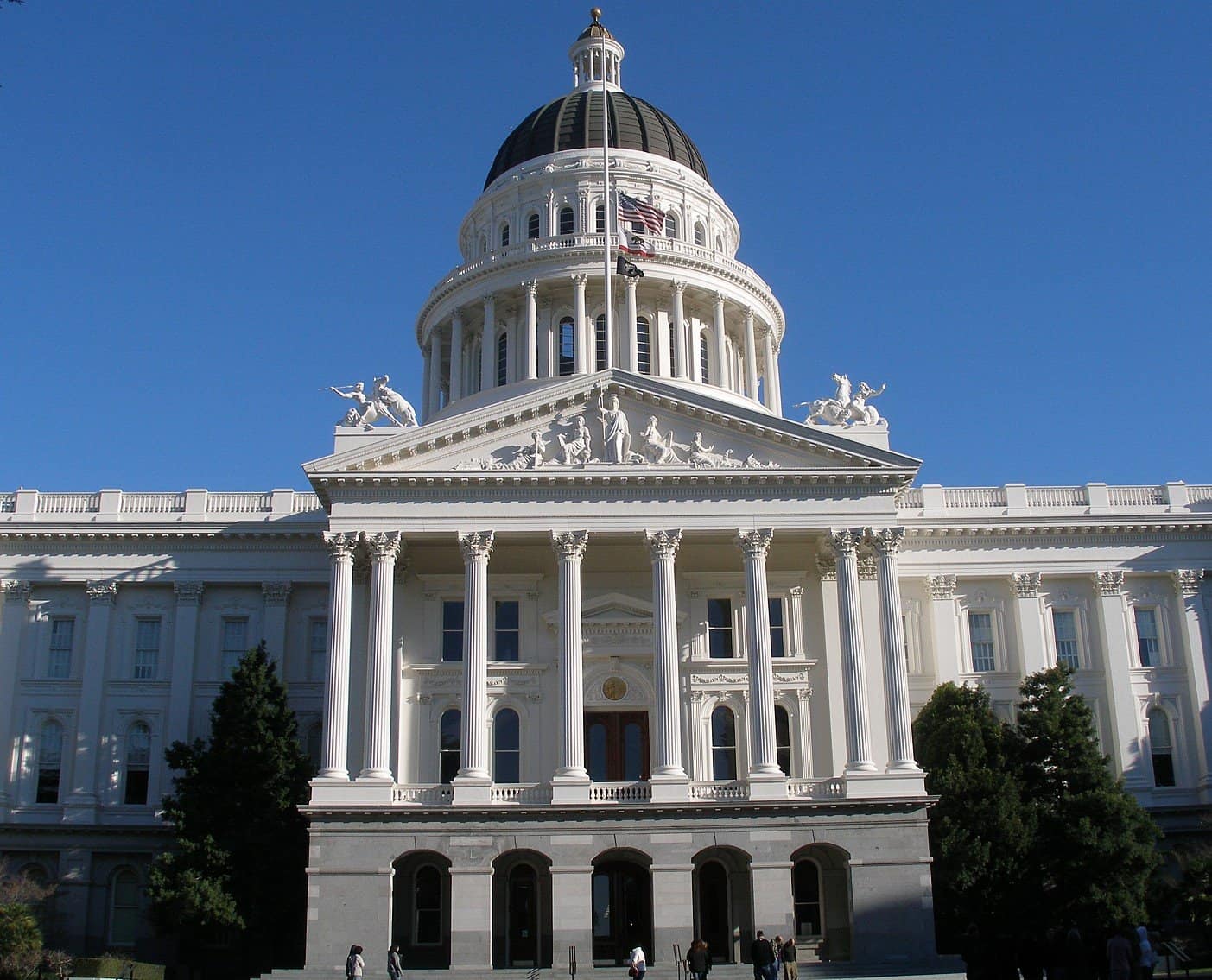
On Friday, California Governor Gavin Newsom signed a bill outlawing captive audience meetings—compulsory anti-union sessions convened by employers during work hours. The tenth such state-level ban, the California law empowers the state’s labor commissioner to fine employers $500 for “subjecting, or threatening to subject, an employee to discharge, discrimination, retaliation, or any other adverse action” for refusing to participate in anti-union meetings. “Captive audience meetings disrupt the balance of power by forcing workers to attend meetings unrelated to their jobs, often under threat of retaliation,” said State Senator Aisha Wahab, the bill’s sponsor. “This bill ensures employees can focus on their work without coercion, creating a fairer and more respectful environment.” Captive audience meetings remain permissible under federal labor law and employers’ go-to anti-union tactic. Between 2016 and 2021, for instance, 85 percent of employers that mounted anti-union campaigns held captive audience meetings.
AFL-CIO President Liz Shuler told federal lawmakers to stay out of a labor dispute between the International Longshoremen’s Association (ILA) and the U.S. Maritime Alliance. As Luke reported last week, 45,000 ILA members are set to strike on October 1, following a breakdown in contract negotiations with East and Gulf Coast port operators. In a letter addressed to Congressional Republicans, Shuler denounced GOP lawmakers for calling on President Biden to forcibly stop a strike, arguing the mere suggestion of a federal injunction would impede negotiations. “History tells us that when companies can count on an injunction against a strike, they do not negotiate in good faith to reach an agreement,” she said. Republican lawmakers’ statement “makes a deal less likely and a strike all the more likely.”
Last week, the National Labor Relations Board (NLRB) again declined to abandon Bush- and Trump-era precedents teed up by the Board’s General Counsel. The NLRB upheld an administrative law judge’s determination that, in refusing to hire workers on the basis of their union activity, ARK Fabricators, Inc. violated federal labor law. But the Board rebuffed the General Counsel’s attempt to overturn four precedents: Toering Electric (2007), which reduced hiring protections for union organizers; Oil Capitol Sheet Metal (2007), which circumscribed the remedies available to union organizers discharged for union activities; Electrolux Home Products (2019), which raised the bar for proving an employer’s unlawful motive in taking adverse action against a worker; and United Site Services of California (2020), which limited admissible evidence of employer animus. In upholding the administrative law judge’s findings, the Board said overturning Electrolux or United Site Services was unnecessary, but didn’t explain its rationale for maintaining Toering Electric and Oil Capitol. Despite the Board’s 3-1 Democratic majority and activist General Counsel, the Biden Board has issued only one precedential decision in the past year—a ruling ending unilateral consent orders.




Daily News & Commentary
Start your day with our roundup of the latest labor developments. See all
September 8
In today’s News and Commentary, workers and unions across America celebrate Labor Day, California’s SEIU Local 1000 prepares for a strike authorization vote, and New York City creates the Office of Worker Power. On Monday, labor unions and workers gathered in cities across the United States in celebration of Labor Day. Parades and rallies took […]
September 7
Eighth Circuit finds DOL order violates Seventh Amendment; 1,300 workers at Encore Boston Harbor go on strike.
September 6
Encore casino workers strike; President Trump commutes sentence of former Philadelphia IBEW leader; Durham labor activist ends his hunger strike against Amazon.
September 4
NLRB advice memo narrows political protest protections; NLRB asks federal appeals court for deference.
September 3
Seond Circuit rejects a NLRB standard for union insignia in employer dress codes; House Republicans ramp up labor union investigations.
September 2
Trump’s US Steel agreement impacts labor talks; Mamdani clashes with teachers’ union; Boeing plans to resume bargaining talks.