
Everest Fang is a student at Harvard Law School.
In today’s news and commentary: Cornell workers go on strike, the California Supreme Court exempts public agencies from certain labor suits, and House Democrats urge USPS to implement heat protections.
Workers at Cornell University are striking this week, just as student move-in begins. The 1,200 workers going on strike include maintenance and facilities workers, dining workers, gardeners, custodians, and agriculture and horticulture workers. The workers, represented by UAW Local 2300, voted to authorize the strike by an overwhelming majority, with 94% voting in favor. Christine Johnson, President of the Local 2300, said that the current wage for most of her union’s members is less than $22 per hour, which is lower than the estimated cost of living for a family in Ithaca. In negotiations, the university offered UAW employees a 17.5 percent increase in wages over four years and stronger health and personal leave. However, UAW leaders say that the offer still does not amount to a living wage. Ithaca’s mayor, Robert Cantelmo, and other New York politicians have backed the UAW with public statements and by walking the picket line with workers.
Yesterday, the California Supreme Court ruled that the state’s public agencies are not subject to a law that gives workers the power to sue their employers over alleged labor violations. The decision stems from a lawsuit filed in 2021 by two healthcare workers against Alameda Health System, which operates several hospitals and clinics. The workers alleged that their employer frequently denied or discouraged staff from taking breaks to eat and rest, deducted half an hour of pay from each work day regardless of whether workers took a lunch break, and failed to keep accurate payroll records. The plaintiffs sought civil penalties for those violations under the Private Attorneys General Act. The Court held that the state legislature did not intend government agencies to incur penalties under the Private Attorneys General Act. The Court also clarified that the state’s labor code only applies to public agencies when they are expressly included in the statutory text, exempting public employers from many wage and hour obligations.
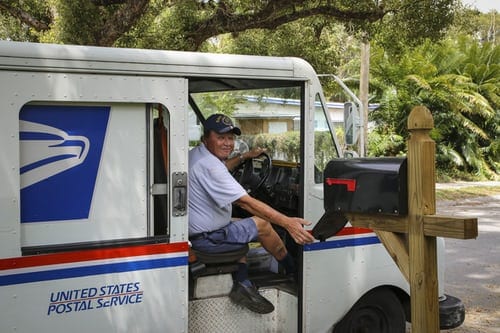
Last week, a group of 76 House Democrats urged USPS to implement heat safety protections for its workers. In a letter to Postmaster General Louis DeJoy, the lawmakers argued that postal workers are uniquely susceptible to heat-related illness and death. They pushed the agency to act quickly rather than wait for the finalization of OSHA’s heat protections, which are going through the final stages of notice and comment. The lawmakers’ letter comes in the wake of a recent death of a mail carrier in North Carolina, which is believed to have been caused by heat stroke. USPS currently has a heat illness prevention program to educate employees on staying safe in hot weather. But House Democrats argued the program is insufficient, noting that five mail carriers have died since 2018 in 90-plus degree heat, including in non-air-conditioned mail trucks.

Daily News & Commentary
Start your day with our roundup of the latest labor developments. See all
June 26
Mamdani issues workplace heat protections order; Fifth Circuit denies enforcement of NLRB order against Starbucks; AFGE unlikely to secure injunction against FEMA layoffs.
June 25
NLRB orders Amazon to bargain with workers; federal judge blocks ICE agents from making arrests in courthouses.
June 24
NYC primary vies for union support; NLRB ruling tees up Cemex challenge; Sixth Circuit deals blow to NLRB policymaking.
June 23
The Supreme Court declines review of a taxpayer lawsuit against a teacher union's paid leave policy; Congressional Democrats oppose Labor Department's proposed joint employer rule.
June 22
Pro-labor candidate wins DC mayoral primary; Department of Labor secures court order regarding back wages.
June 21
The Bolivian government declares a state of emergency in response to union-led protests, and hotel workers in Philadelphia strike amidst World Cup celebrations.