
Luke Hinrichs is a student at Harvard Law School.
In today’s news and commentaries, NLRB issues Cemex order requiring casinos to recognize union; Amazon fined nearly $6 million for violating California’s Warehouse Quotas law; and Waffle House commits to raise wages amid pressure from labor advocates.
On June 17, 2024, a National Labor Relations Board (NLRB) three-member panel ruled that Station Casinos’ unlawful behavior during a unionization effort spoiled the union vote and ordered the company to recognize Culinary Union’s representation of the workers and begin bargaining with the union. The NLRB order applied the landmark Cemex precedent established last year. Under the Cemex standard, if a company is found to have violated labor laws such that the union election was tainted, the Board can order the company to bargain with the union even if the union lost the election.
In 2019, workers at three Station Casinos locations―Red Rock, Boulder Station and Palace Station―voted 627 to 534 against joining the Culinary Workers Union. After the election, the Culinary Union filed a labor complaint alleging that Station Casinos threatened and discriminated against workers who supported the unionization effort, and that the company deployed a wide range of coercive tactics to influence the vote. The NLRB panel found that the record showed Station Casinos’ “extensive coercive and unlawful misconduct stemmed from a carefully crafted corporate strategy intentionally designed at every step to interfere with employees’ free choice whether or not to select the [Culinary] Union as their collective-bargaining representative.” The NLRB’s order also requires Station Casinos to reinstate a union supporter who had been fired, and to remove photos of workers from an anti-unionization website the company created.
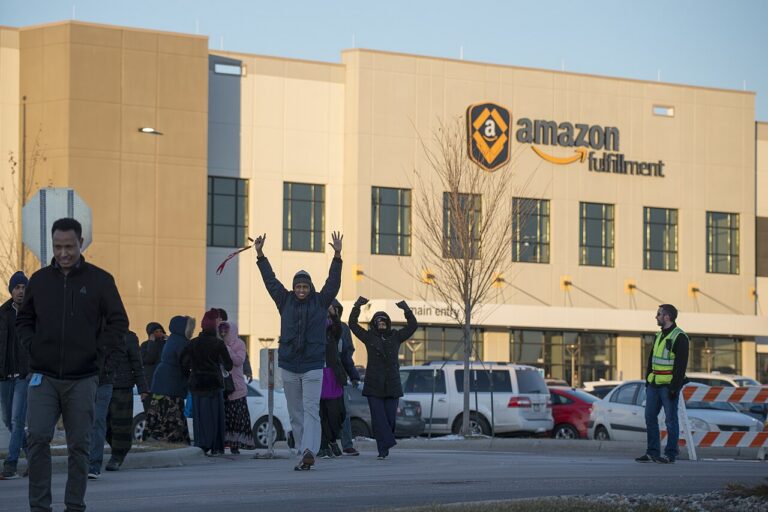
California’s Labor Commissioner cited Amazon $5,901,700 for violations of the Warehouse Quotas law in two of their distribution warehouses in Moreno Valley and Redlands. The Warehouse Quotas law, effective as of 2022, requires employers to disclose productivity quotas to employees and government agencies, including the number of tasks they need to perform per hour and any discipline workers may endure from not meeting the quotas. The law further prohibits warehouse employers from imposing unsafe quotas that prevent workers from enjoying their right to state-mandated meal and rest breaks. Officials of the California Labor Commissioner’s Office found 59,017 violations of the Warehouse Quotas law across the two Amazon facilities.
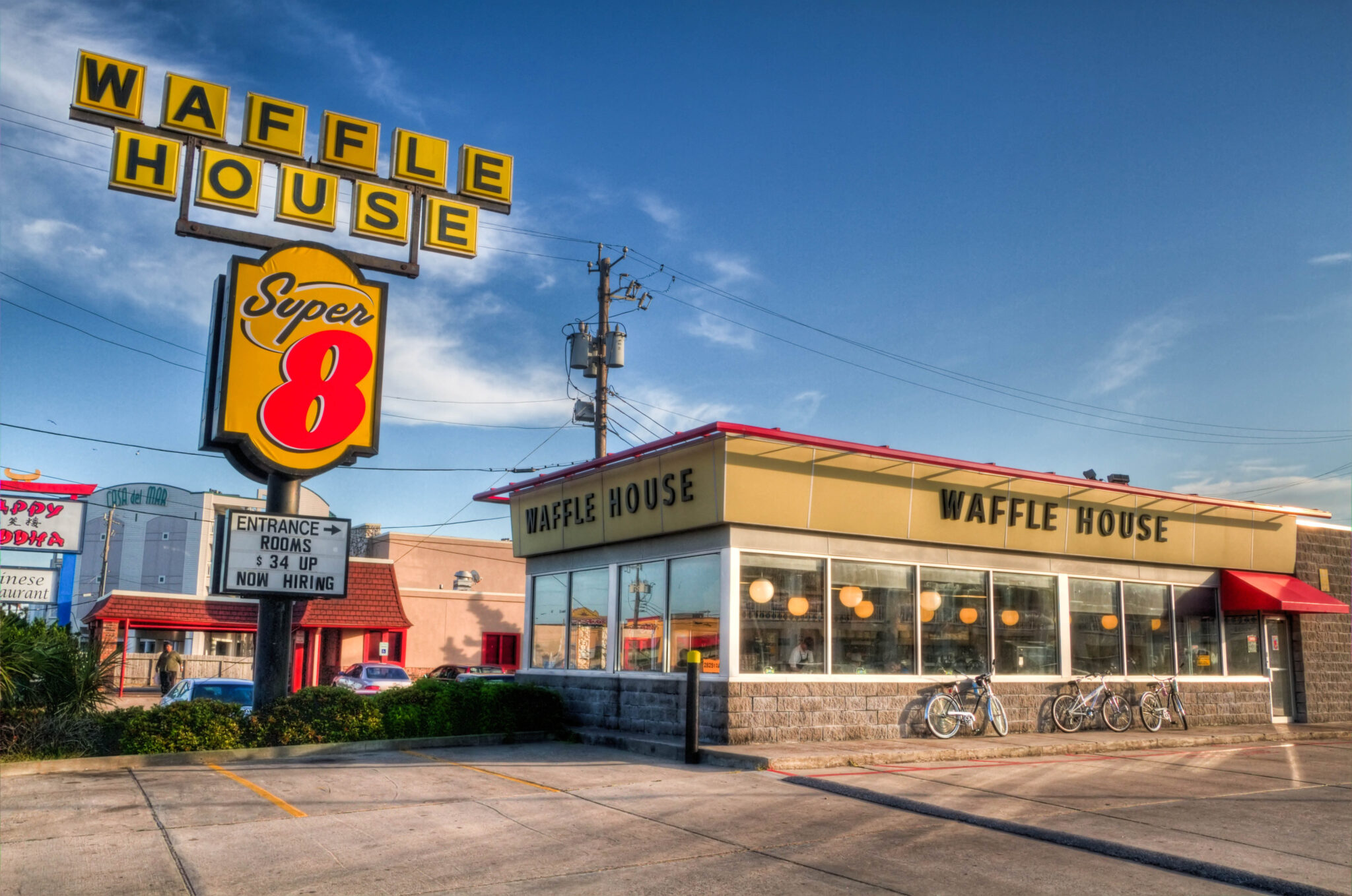
The CEO of the Waffle House franchise announced that the chain with over 2,000 locations will increase wages for its over 40,000 employees. The announcement comes after a year of persistent labor advocacy and collective action in which the Union of Southern Service Workers has held strikes at Waffle House locations to demand higher pay, better security at restaurants, and an end to the company’s mandatory meal deduction in which the company deducts $3.15 per day from workers’ paychecks for meals regardless of whether they eat a meal while at work. The fast-food chain committed to raise the workers tipped wage to at least $3 per hour and then gradually increase wages to at least $5.25 per hour by June 2026. However, wages will rise slower in rural markets compared to that in urban markets.

Daily News & Commentary
Start your day with our roundup of the latest labor developments. See all
July 9
The Second Circuit declines to vacate an arbitration award over a nursing union dispute; federal workers sue the Department of Defense for termination of union contracts; New York City announces settlement with companies for violating New York work laws.
July 8
DOL plans to make changes to the PERM immigration program; three-day hearing on proposed forced-labor tariffs is underway; Mamdani recovers $2.3M in corporate settlements.
July 7
Former EEOC Commissioner drops her wrongful termination lawsuit following the Supreme Court’s ruling on Presidential removal power; unions sue Department of Defense over cancellation of collective bargaining agreements.
July 6
NY home health worker class action settlement secures preliminary approval; the NLRB upholds order finding Amazon violated federal labor law.
July 3
Unions seek a preliminary injunction to prevent USDA downsizing; the D.C. District Court issues a preliminary injunction against new student loan regulations; Matt Bruenig releases an analysis of Starbucks’ ongoing legal battle against Starbucks Workers United.
July 2
First Circuit denies federal worker unions’ mandamus petition; federal court denies preliminary injunction against new union reporting rule; House introduces the Securing Agriculture’s Workforce Act.