
In today’s News and Commentary, UAW files unfair labor charges against Mercedes-Benz, Congressional Democrats call for an extension for Employment Authorization Documents, and California fast food workers’ minimum wage increases to $20 an hour today.
The United Auto Workers filed unfair labor charges against Mercedes-Benz Group alleging “aggressive and illegal union busting.” As of late February, a majority of workers at Mercedes’ Vance, Alabama plant had signed cards to join the union. The UAW now claims that workers have been harassed and intimidated for this support or participation in union activities. Workers allege retaliatory stonewalling of medical paperwork and arbitrary enforcement of no-phone policies in order to punish union efforts. As John reported last month, the automaker’s largest US factory held a captive audience meeting opposing the UAW and appears to be revving up its anti-union campaign. Both the union and the company are preparing for a long and contentious process.
Congressional Democrats are pushing for a rule that would permanently extend the grace period for expired work permits if an application for renewal is pending. This push comes as many immigrants face a fast approaching expiration of their work authorization without any word as to their timely filed renewal applications. Beginning April 24, tens of thousands of work authorization permits will expire. Immigrants, who applied to renew their permits last fall, are experiencing processing times of up to 16 months. The permits are typically valid for 180 days post-expiration, but the grace period was briefly extended to a year and a half in 2022 due to US Citizenship and Immigration Services’ processing backlogs. The extension regulations have since expired, but a new rule, currently under White House review, would again temporarily increase the validity period. The congressional Democrats released a letter last week calling for a permanent extension and focusing concerns on the uncertainty business owners face. The letter stresses that “employers need to be able to plan and operate knowing that their workforce will not be disrupted by abrupt changes in work authorization status.” Ten Senate Democrats and sixty House Democrats signed the letter.
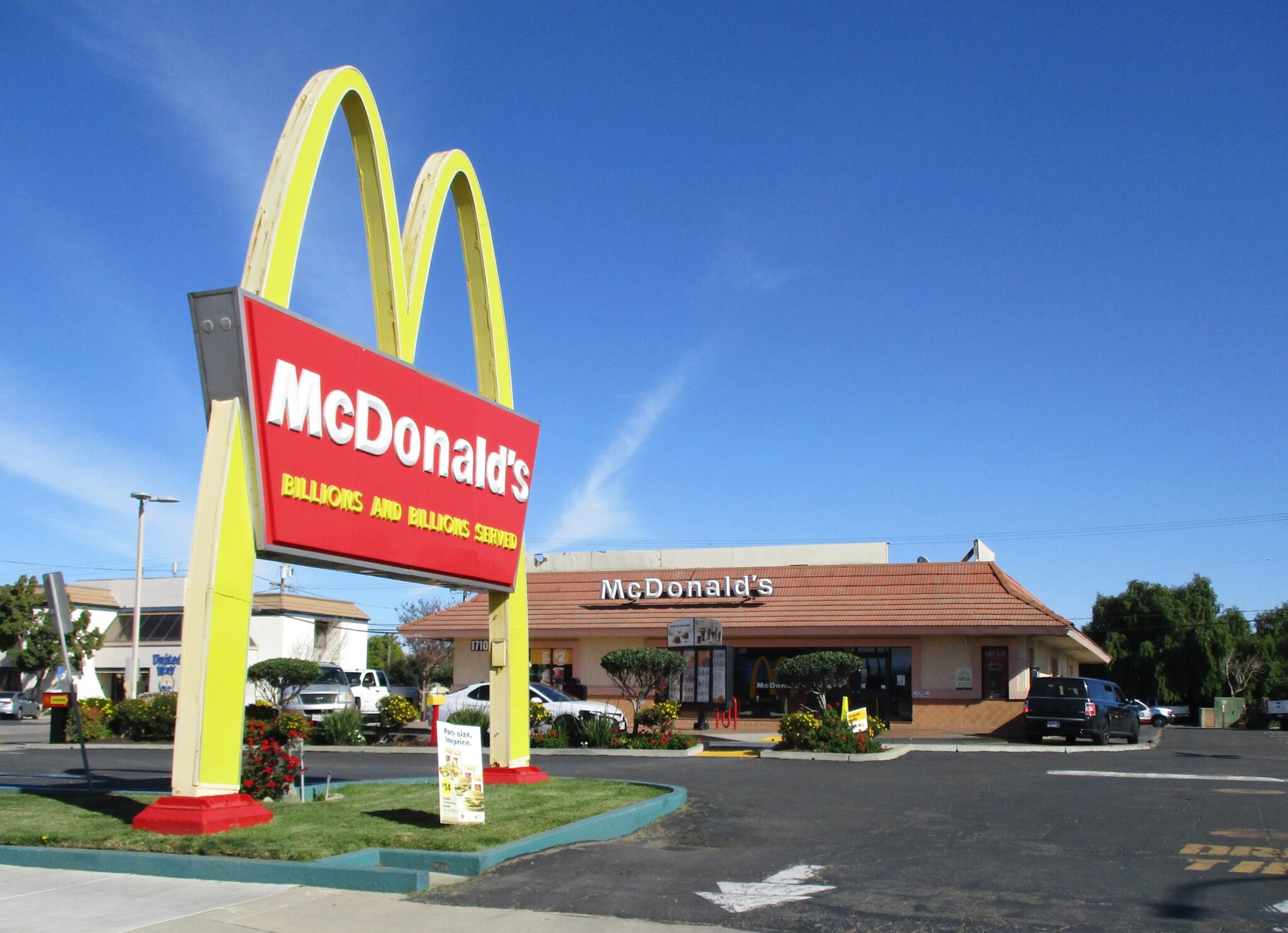
Over 500,000 Californian workers will see an increase in their hourly wage starting today. Fast food workers in the state will now be paid at least $20 an hour in accordance with a law passed last fall. The law passed as a result of negotiations between labor unions, fast food corporations and fast food franchise owner trade associations. Labor unions agreed to cease efforts to hold corporations accountable for the misdeeds of independent franchise operators and the corporations agreed to remove a referendum related to worker wages from the 2024 ballot. The franchise owners trade associations initially supported the law, but have since complained about the impact the new wage will have on them. Franchise owners claim they will have to cut workers’ hours, raise prices, and potentially even close branches as a result of this wage increase. California’s minimum wage currently sits at $16 an hour, nearly double what it was a decade ago. Labor economists have shown that the decade-long wage increases did not cause a decline in employment or overall pay. Still, many chains have indicated plans to increase adoption of automation, to simplify operations, and even to shorten business hours.



Daily News & Commentary
Start your day with our roundup of the latest labor developments. See all
September 8
In today’s News and Commentary, workers and unions across America celebrate Labor Day, California’s SEIU Local 1000 prepares for a strike authorization vote, and New York City creates the Office of Worker Power. On Monday, labor unions and workers gathered in cities across the United States in celebration of Labor Day. Parades and rallies took […]
September 7
Eighth Circuit finds DOL order violates Seventh Amendment; 1,300 workers at Encore Boston Harbor go on strike.
September 6
Encore casino workers strike; President Trump commutes sentence of former Philadelphia IBEW leader; Durham labor activist ends his hunger strike against Amazon.
September 4
NLRB advice memo narrows political protest protections; NLRB asks federal appeals court for deference.
September 3
Seond Circuit rejects a NLRB standard for union insignia in employer dress codes; House Republicans ramp up labor union investigations.
September 2
Trump’s US Steel agreement impacts labor talks; Mamdani clashes with teachers’ union; Boeing plans to resume bargaining talks.