
Jacqueline Rayfield is a student at Harvard Law School.
In today’s News and Commentary, Oahu nurses file an unfair labor practice complaint, New York Times union files a cease-and-desist over a return to in-person work policy, and Trader Joe’s union files charge under the new Cemex decision.
The Hawaii Nurses Association files a ULP against the Oahu Care Facility, a nursing home on the island, based on a unilateral change to the facility’s medical insurance plan. The move by nurses comes after months of bargaining and a seven-day strike since their contract expired in February. The union recently voted to ratify an agreement which would raise wages by over 20%. However, the union warns that this insurance change by the facility could “set back [their] ability to move forward.”
The New York Times’ unions, including the New York Times Guild and the Times Tech Guild, have sent a cease-and-desist letter to management of the newspaper over a new return-to-office policy. Management announced that they would begin monitoring badge swipes when employees enter and leave the office building in order to track attendance. The New York Times Guild argues that this new form of surveillance violates their collective bargaining agreement with the paper, while the Times Tech Guild argues that this violates the status quo period. The NLRB General Counsel Jennifer Abruzzo showed increased concern about similar electronic surveillance practices in a letter last October.
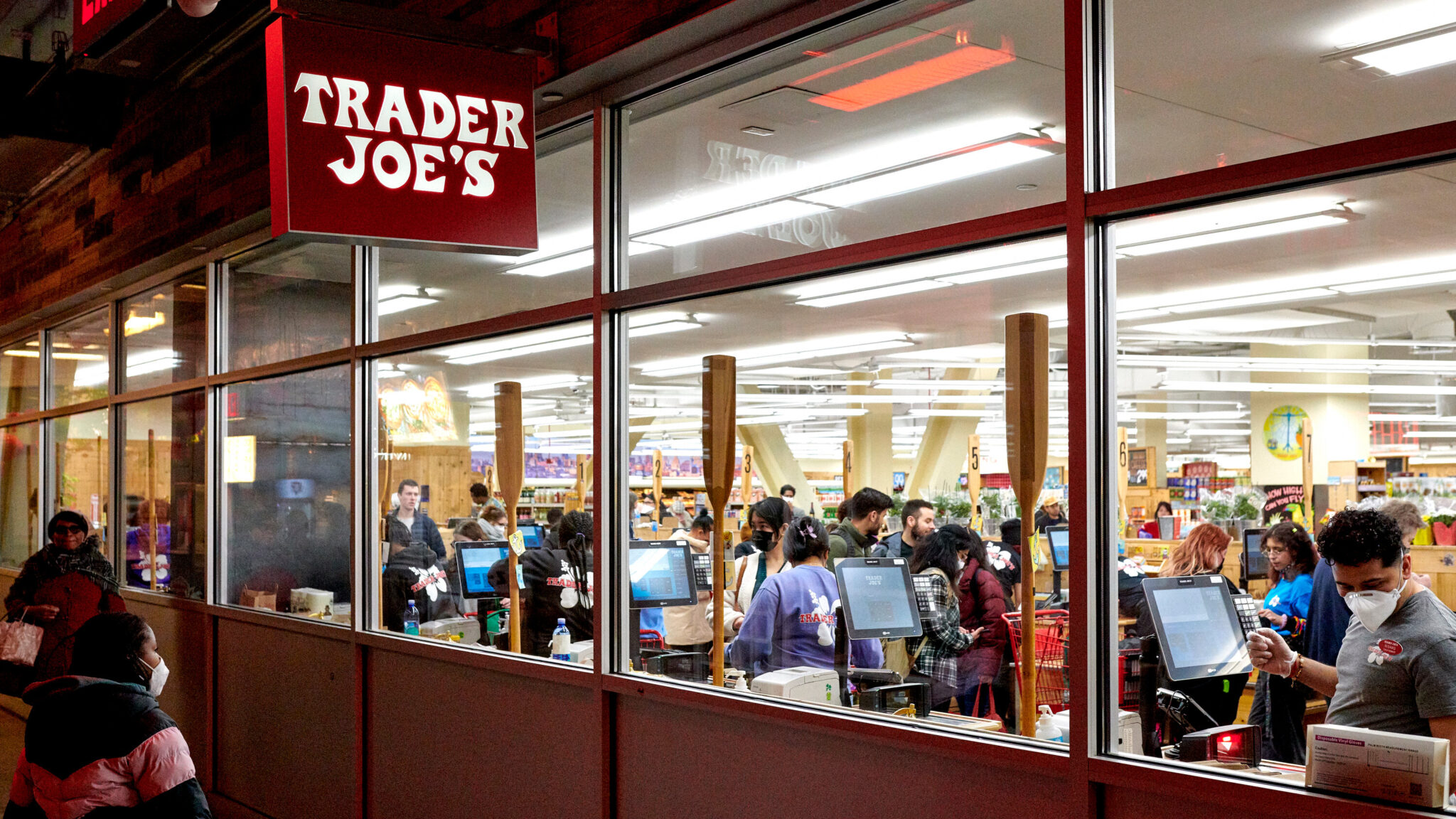
Trader Joe’s United asked the NLRB on Monday to require the employer to recognize and bargain with a unit in Manhattan based on a recent ruling in Cemex. The decision in Cemex requires employers who commit unfair labor practices that would necessitate setting aside an election to automatically recognize and bargain with the union. This request from Trader Joe’s United is among the first to utilize this new policy after alleging ULPs by Trader Joe’s in April.



Daily News & Commentary
Start your day with our roundup of the latest labor developments. See all
July 24
EEOC drops request for UPenn's Jewish staff; Starbucks defeats mail-in ballots; and Mamdani appoints Lina Khan.
July 23
Ninth Circuit affirms ban of transphobic books in school; leading demographer warns of impending labor shortage.
July 22
EDNY strikes down state labor board law; D.C. Circuit applies Loper Bright to NLRB; Joint employer bill reaches the House floor.
July 21
Fifth Circuit transfers an Anheuser-Busch NLRB case to the Eleventh Circuit; a new report makes the case for tripling union membership.
July 20
New York City weighs banning horse carriages despite union opposition; public defenders go on strike; cinema workers stage walkout.
July 17
Canadian wildfires endanger rail workers; 26 Meta employees allege targeted layoffs for those on paid leave; FIFPRO pushes for more rigorous heat protections for players.