
Jason Vazquez is a staff attorney at the International Brotherhood of Teamsters. He graduated from Harvard Law School in 2023. His writing on this blog reflects his personal views and should not be attributed to the Teamsters.
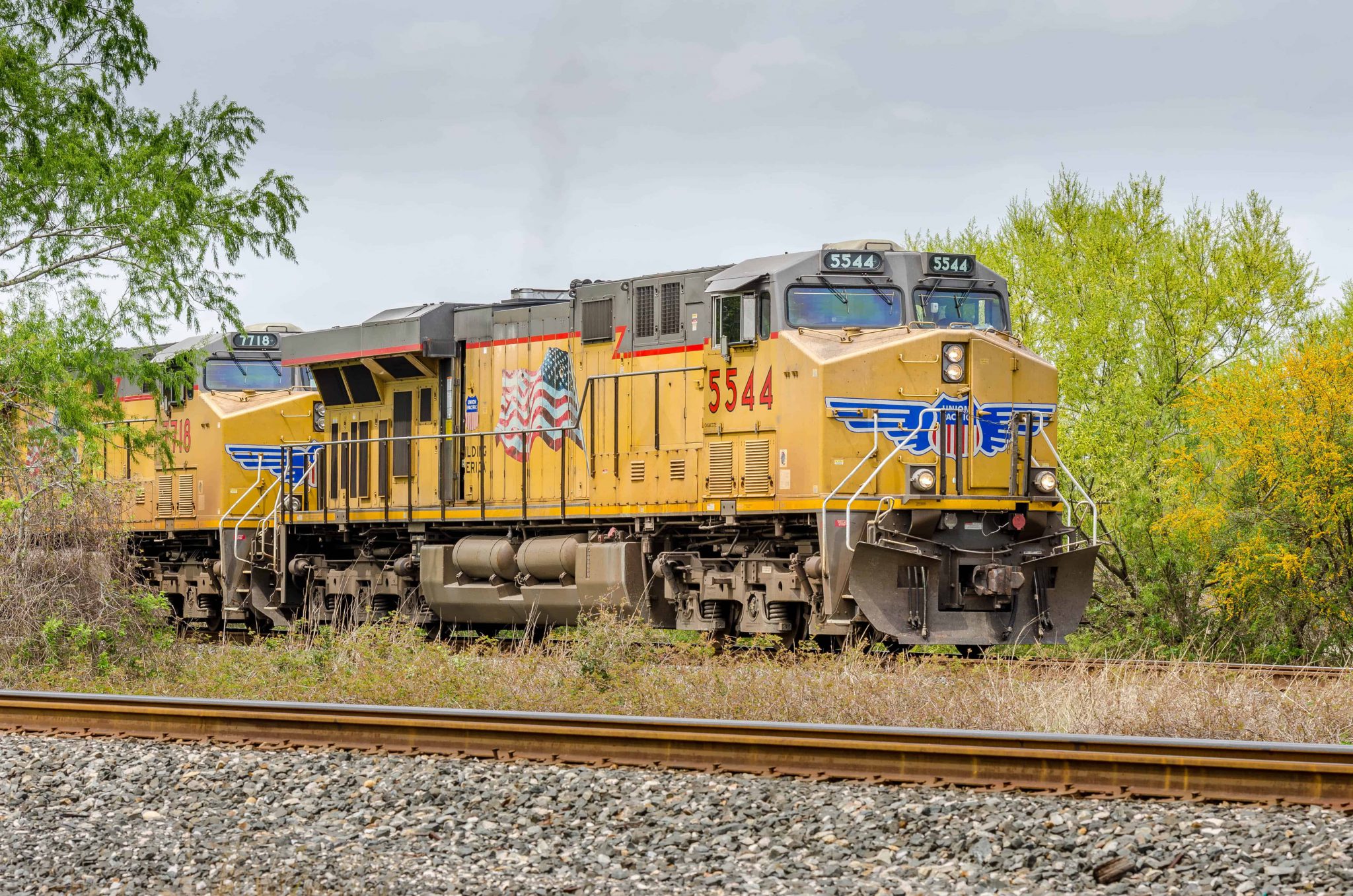
Progressive resistance is crystallizing in Congress as a crippling national rail strike looms on the horizon, threatening to derail President Biden’s maneuvers to secure legislative implementation of the agreement his administration helped craft last month. In the Senate, Bernie Sanders (I-VT) encouraged his colleagues to “stand with rail workers” on Sunday, and in the House, Representative Alexandria Ocasio-Cortez (D-NY), among other progressive voices, insisted that lawmakers should intervene only to “have workers’ backs and secure their demands in legislation.” Interestingly, the rail workers have managed to mobilize a degree of bipartisan support, as Senator Marco Rubio (R-FL) signaled that he, too, would oppose a deal that “doesn’t have the support of the rail workers.”
Congressional leaders have proven undeterred, however, continuing to steadily advance their plans. The House is poised to approve legislation implementing the agreement as soon as today. And Senate leadership has signaled they have the votes to survive a filibuster and will swiftly follow suit. All told, then, President Biden conveyed confidence on Tuesday that his plans would prevail and his maneuvering would manage to forestall a shuttering of the nation’s railways.
In regulatory news, the Senate HELP Committee voted on Tuesday to advance Biden’s nomination for administrator of the DOL’s Wage and House Division following a series of procedural delays. President Biden nominated Jessica Looman, a former labor lawyer and union official, to the role — the top enforcer of the FLSA and other major workplace laws — in July, after the Senate blocked his first pick. Looman has been leading the agency as principal deputy administrator since January 2021
Lastly, the NLRB extended the deadline for submitting comments on its rulemaking related to blocking charges. The rule would rescind a regulation promulgated by the Trump Board in 2020 and restore the traditional approach, jettisoned by the Trump rule, under which RDs are empowered to delay processing election petitions in the face of pending charges.



Daily News & Commentary
Start your day with our roundup of the latest labor developments. See all
September 2
Trump’s US Steel agreement impacts labor talks; Mamdani clashes with teachers’ union; Boeing plans to resume bargaining talks.
September 1
California legislature passes a bill banning AI workplace surveillance of workers' emotional states; Labor Department repeals decades-old farmworker protection rules; Sixth Circuit upholds a $1.4 million verdict for farmworkers.
August 31
Boston Symphony Orchestra musicians stave off first-ever strike; Cleveland Public Library workers ratify new contracts; New York State AFL-CIO makes endorsements
August 30
Seattle teachers vote to authorize a strike days before the school year begins; BNSF Railway’s AI dispatching system puts workers in danger; and a California court finds that the DOL’s pay cuts for non-citizen farmworkers are unlawful.
August 28
Calls for a “token tax” on AI consumption grow and the number of Amazon workers on federal aid explodes.
August 27
NLRB GC targets Biden-era precedent; Starbucks Workers United calls for boycott; Encore Boston Harbor workers authorize strike