
Julia Deng is a student at Harvard Law School.
In today’s News & Commentary, Starbucks continues to spar with the NLRB over mail-in election processes, Starbucks closes another unionized store, a rail union ratifies the national tentative agreement, a pro-union San Diego ballot measure is attacked over unions’ lack of diversity, Clark University graduate student workers ratify their contract, and more.
Starbucks-related labor disputes continue. Yesterday, the NLRB’s Office of the Inspector General announced an investigation into the Board’s mail ballot election procedures in response to Starbucks’ allegations of impropriety. The audit began at 8:30am today and is scheduled to be completed in early 2023. Its objectives include evaluating compliance with procedure, finding external impediments, evaluating efficiency, and determining effectiveness. Starbucks has long claimed that NLRB personnel coordinated with Starbucks Workers United to help them arrange for in-person voting during mail-in elections, and to identify and target staff who hadn’t yet cast a ballot.
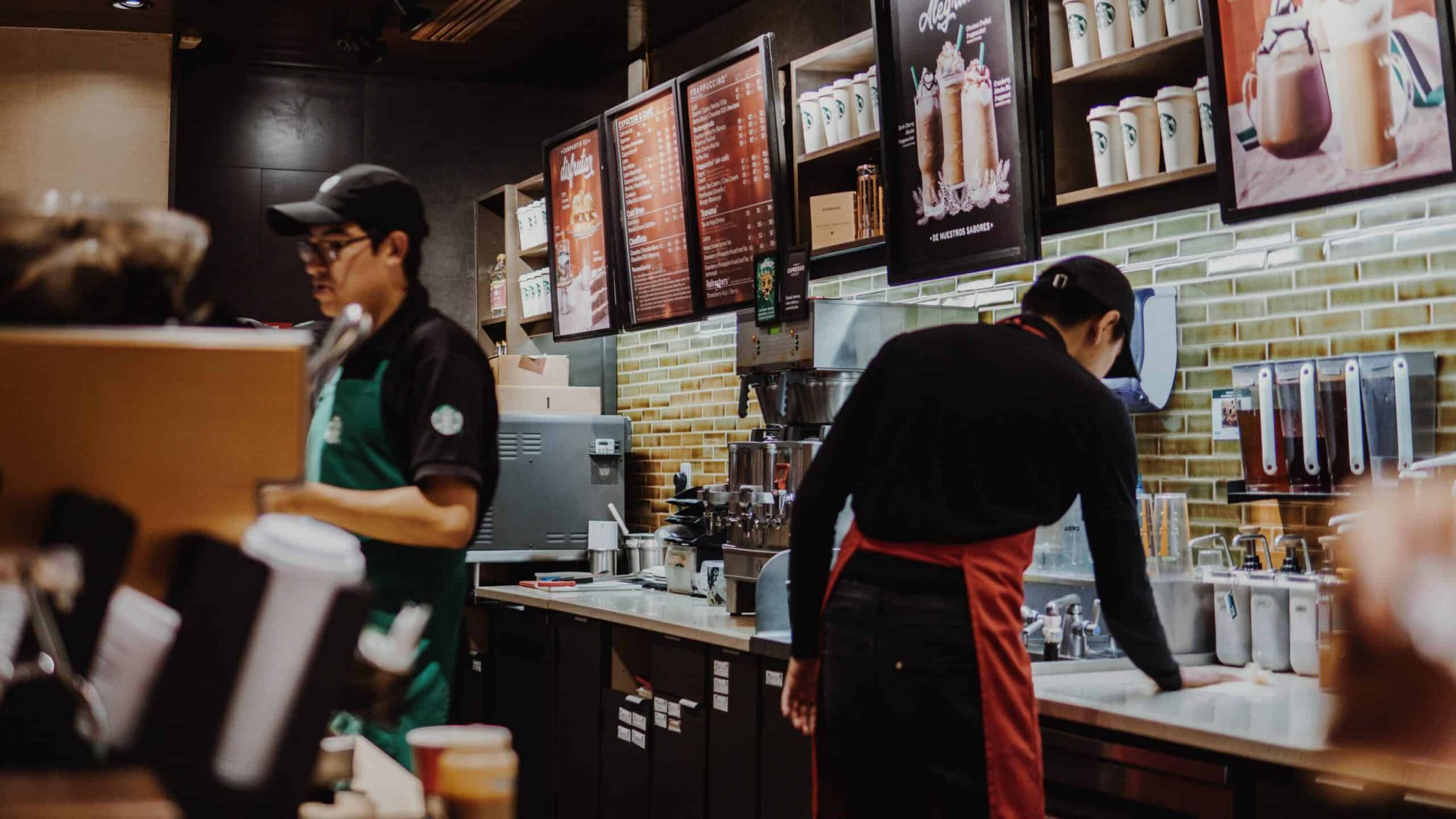
Also yesterday, Starbucks announced that it was shutting down a location in the Edgewater neighborhood of Chicago, just days before negotiations on a contract were set to begin. “That is 110% union busting,” said employee and union supporter Carlos Toral. “This store closure (is) affecting all of our (lives), my life, my bills, my day-to-day.” In response, workers and their allies asked members of the community to come in and order drinks under the name “union strong.” Starbucks Workers United said that it will amend an existing unfair labor practice charge over store closures to include the Edgewater location.
A sixth rail union has voted in favor of accepting the tentative agreement between the railway industry and labor that averted a major shutdown in September. Workers represented by the National Conference of Firefights and Oilers have voted to accept the labor agreement by a vote of 58.7%, although many members also reportedly expressed disappointment with the terms. As Travis reported on the 11th, so far the only union to reject the deal is The Brotherhood of Maintenance of Way Employees Division (BMWED), the third largest rail union in the United States. Five additional unions still have yet to decide.
Construction unions and their opponents in San Diego are sparring over Measure D, a ballot measure that would overturn the city’s ban on union-friendly project labor agreements. Opponents of Measure D have claimed that the measure will not do enough to change construction unions’ “abysmal” lack of diversity, with Black people occupying just 3.33% of labor union apprenticeship slots and women occupying 1.32%. Some blame a culture of nepotism, insularity, and word-of-mouth recruitment for the unions’ ongoing exclusivity. Labor officials have responded that Measure D would actually increase racial inclusiveness in the construction industry because non-union construction apprenticeships go to people of color at an even lower rate. While Measure D cannot include explicit racial preferences without violating California Proposition 209, unions have instead reserved apprenticeships for people living in low-income zip codes, single-parent households and other groups. Measure D is on the ballot on November 8th, and can pass with a simple majority.
Clark University graduate student workers have voted unanimously to ratify a contract, which includes wage increases of up to 90% and increased subsidies for health insurance. They reached an agreement with the university after five days of striking and picketing in early October. “The Teamsters brought a commitment to rank & file militancy to our campaign,” said the committee of workers on Twitter. “We are Teamster strong, and Worcester is a union town!”
Today from 11:45am to 12:15pm, Amazon workers at the Channahon, Illinois fulfillment center are walking off the job. As Anita reported yesterday, Amazon workers across the country — including in nearby Joliet — have been walking off the job to disrupt Amazon’s Prime Week shopping sales push.
The Medieval Times, a dinner theater chain, filed a trademark infringement suit in federal court against its employees’ union. The company argues that the potential customers assume that the Medieval Times Performers United is “officially affiliated with Medieval Times” and that its logo infringes on the company’s branding and “middle ages-themed décor.” The Hill notes that “[u]nions that make use of their company’s name are fairly common, such as Starbucks Workers United.”


Daily News & Commentary
Start your day with our roundup of the latest labor developments. See all
September 17
Unions push to block Google from buying Spirit Airlines employment records; U.S. Department of Labor sues Oklahoma coffee chain over alleged wage violations.
September 16
Trump nominates Catherine Eschbach as EEOC general counsel; NLRB declines to resolve union work-assignment dispute; Allina Health physicians begin four-day strike.
September 15
Documents reveal the inner workings of Amazon's union avoidance program; Washington state public sector unions reach tentative deals amid a difficult bargaining cycle; hundreds of Nevada Culinary Union members protest their union's health care changes.
September 14
NCAA and Big Ten file motion to dismiss in former star player's NIL suit; Seventh Circuit rules against former postal worker in discrimination suit.
September 13
Documents released on the 25th anniversary of the 9/11 attacks show that city officials encouraged workers to return to Ground Zero despite knowing the risks of asbestos exposure, and new polls demonstrate continued widespread support for labor unions.
September 10
Amazon workers allege pregnancy discrimination; federal unions challenge USDA reorganization; NYC warns of silicosis risks.