
Tascha Shahriari-Parsa is a government lawyer enforcing workers’ rights laws. He clerked on the Supreme Court of California after graduating from Harvard Law School in 2024. His writing on this blog reflects his personal views only.
In today’s news & commentary: The FAST Act makes its way to the California Senate Floor; New York companies face billions in lawsuits for paying workers once every two weeks instead of weekly.
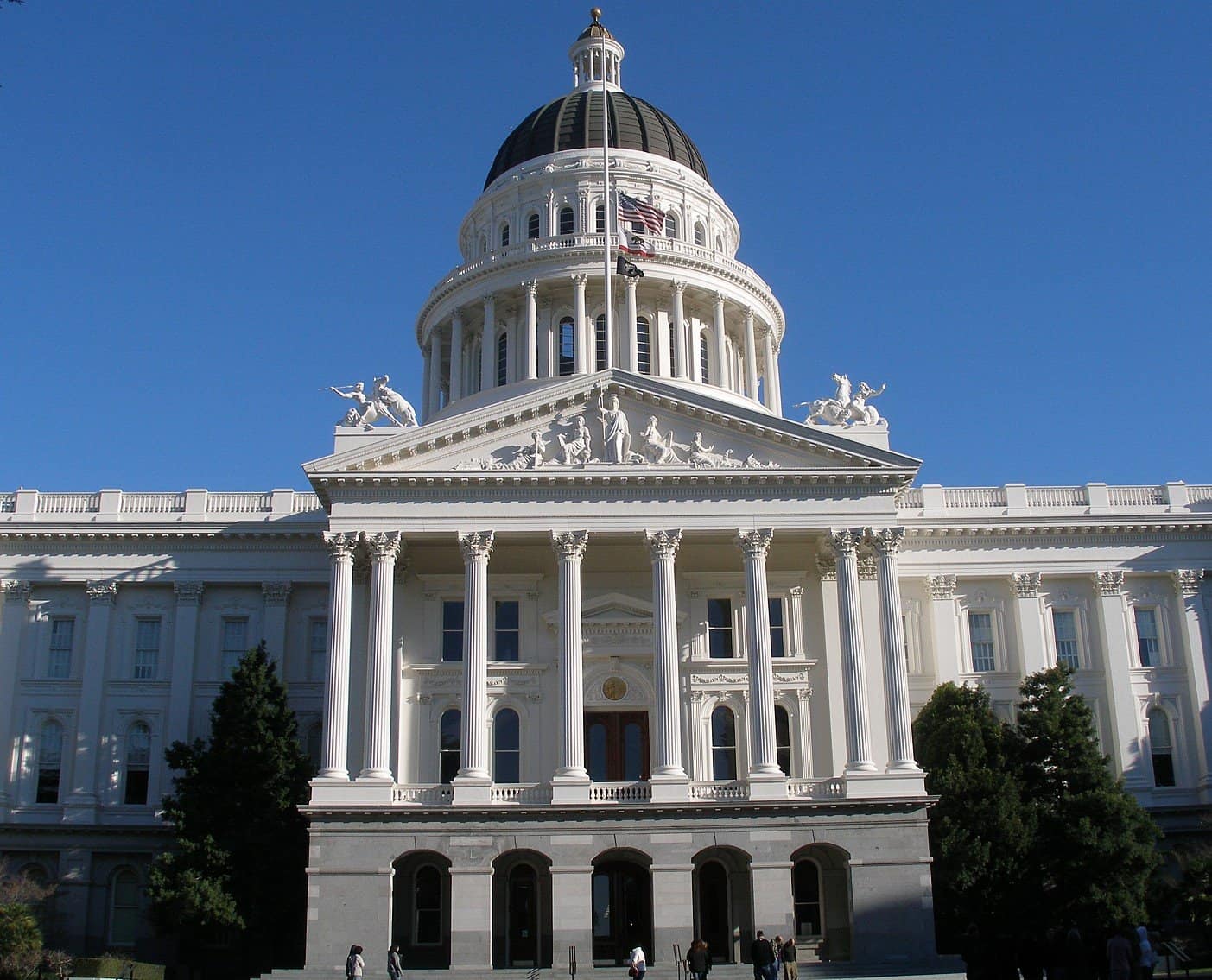
Yesterday, California’s Senate Appropriations Committee passed AB 257, the Fast Food Accountability and Standards (FAST) Recovery Act, progressing the bill to a Senate-wide vote. If passed, the FAST Act would raise employment standards across the fast food sector and “would make franchise owners and the companies they franchise from jointly liable for labor violations.” As Ben wrote on the blog last April, taking those standards outside of competition would “ensure that fast food workers actually see improvements in minimum wages, in safety and health conditions, in the stability of their schedules and in the training that is made available to him.”
After falling 2 votes short of passing the California Assembly last June, the Act passed the California assembly on January 31 with legislators voting 41 to 21 in favor of the bill. The bill has since passed the Senate Labor, Public Employment and Retirement Committee and the Senate Judiciary Committee, which referred it to the Senate Appropriations Committee. 36 organizations signed a letter to California lawmakers urging the passage of the bill ahead of the Senate Appropriations Committee vote on Thursday.
New York companies including Walmart are facing over 150 lawsuits with billions of dollars in potential damages over pay frequency violations. These violations occur where workers were paid biweekly instead of weekly as New York Labor Law § 191 requires for “manual workers.” Before the September 2019 New York appellate case, Vega v. CM & Associates Construction Management, the fines for violations of the pay frequency requirement were issued by the New York State Department of Labor, and were capped at $3,000, which left many employers flagrantly violating the law. But Vega found that such violates were indeed subject to liquidated damages under § 198.
In Vega, the court analogized to the Supreme Court’s interpretations of the Federal Labor Standards Act, which contains a similar liquidated damage remedy for “unpaid” minimum wages and overtime compensation. In Brooklyn Savings Bank v. O’Neil, the Supreme Court held in 1945 that wages are “unpaid” and the liquidated damages provision can be triggered when wages are not paid “on time,” which lower courts have uniformly held has to mean the employee’s regular payday. Like the FLSA, New York’s pay frequency requirement is “designed to deter wage-and-hour violations in a manner calculated to compensate the party harmed,” the court wrote in Vega, a design which would not be meaningfully effectuated without the liquidated damages provision.
As a result of the Vega decision, workers could receive liquidated damages equal for all wages received later than on a weekly basis, equal to the amount of those wages—which, for workers paid every other week, would mean half of their year’s wages. For a worker making $15 an hour, this could add up to $93,000 over the last six years (earlier years would be barred under New York’s statute of limitations for wage claims). Walmart, Costco, Walgreens, Bed Bath and Beyond and Banana Republic are among the companies hit with the post-Vega late payment litigation. Walmart’s alone could amount to hundreds of millions of dollars in damages if most of the estimated 35,000 New York employees in the class action complaint end up being covered by the pay frequency requirement (though Walmart alleges it received permission from New York state in 1993 to exempt itself from the pay frequency requirement). The number of workers who end up being eligible may depend in part on who counts as a “manual worker,” which New York law defines as a “mechanic, workingman or laborer” and, under the New York State Department of Labor’s longstanding interpretation, includes an employee who spends over 25% of time engaged in physical labor.


Daily News & Commentary
Start your day with our roundup of the latest labor developments. See all
September 13
Documents released on the 25th anniversary of the 9/11 attacks show that city officials encouraged workers to return to Ground Zero despite knowing the risks of asbestos exposure, and new polls demonstrate continued widespread support for labor unions.
September 10
Amazon workers allege pregnancy discrimination; federal unions challenge USDA reorganization; NYC warns of silicosis risks.
September 9
Wynn Las Vegas employees allege anti-union retaliation; Amazon faces a class action over pregnancy accommodations; H-1B demand plunges following a six-figure visa fee.
September 8
In today’s News and Commentary, workers and unions across America celebrate Labor Day, California’s SEIU Local 1000 prepares for a strike authorization vote, and New York City creates the Office of Worker Power. On Monday, labor unions and workers gathered in cities across the United States in celebration of Labor Day. Parades and rallies took […]
September 7
Eighth Circuit finds DOL order violates Seventh Amendment; 1,300 workers at Encore Boston Harbor go on strike.
September 6
Encore casino workers strike; President Trump commutes sentence of former Philadelphia IBEW leader; Durham labor activist ends his hunger strike against Amazon.