
Hannah Finnie is a writer in Washington, D.C. interested in the intersections of work and culture. She is a graduate of Harvard Law School.
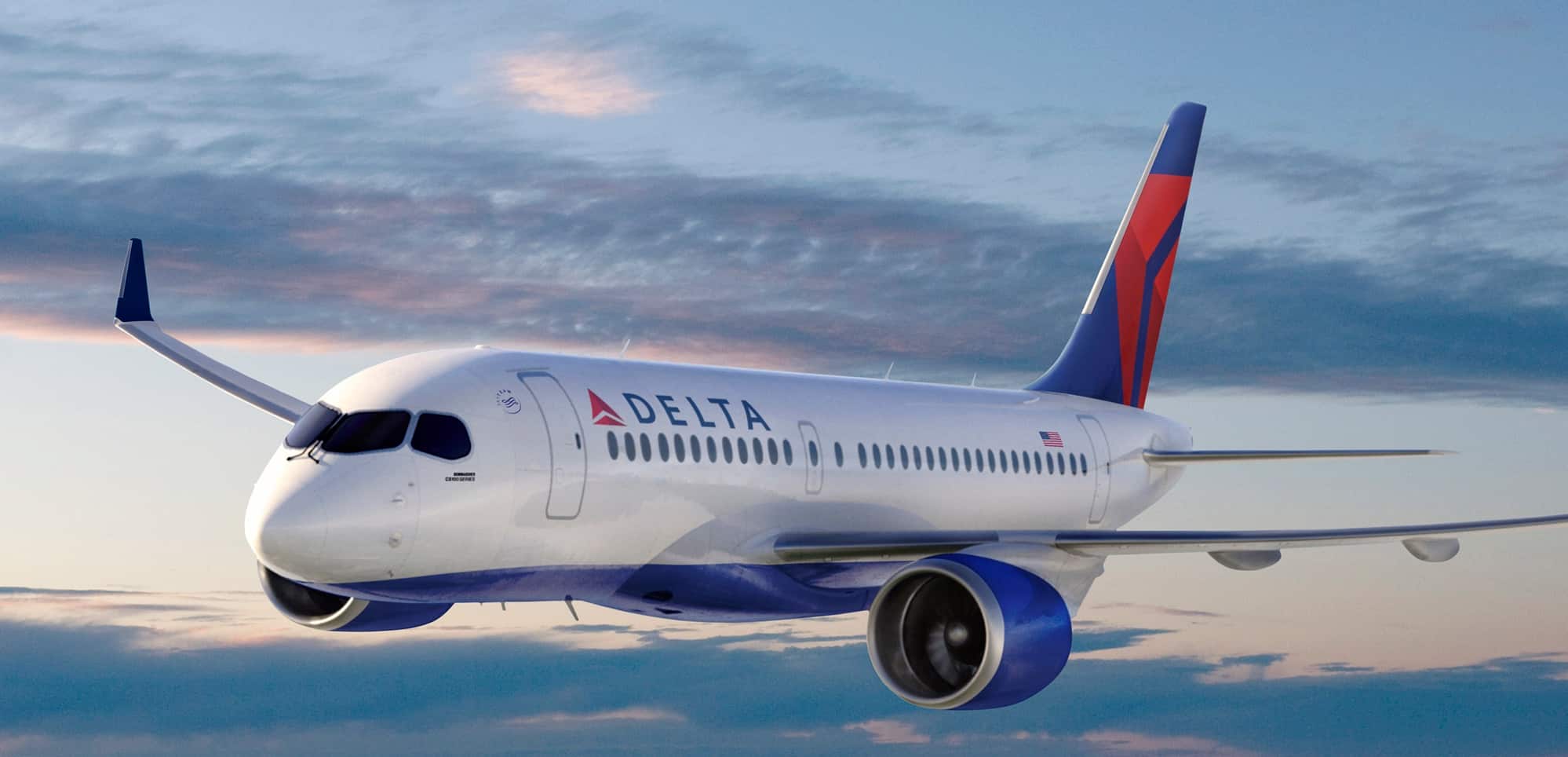
Delta Airlines announced this week it would begin paying flights attendants for time spent boarding the plane. Previously, flight attendants were not paid for their work helping board the plane until the plane’s door was closed, a practice flight attendants have derided. Delta is the first U.S. airline to begin compensating flight attendants for this work.
This change in long-standing policy is likely not out of the blue. Delta’s flight attendants are unionizing (through the Association of Flight Attendants-CWA, AFL-CIO), and compensation for boarding has been one of the items they’ve pushed for. Second, Delta announced this change alongside a shift flight attendants are not happy about: a longer boarding period for smaller planes.
Though the Association of Flight Attendants lauded the specific move to compensating boarding work, it also noted that all of Delta’s policies can change at any minute without a union contract in place: “And let’s double down on our campaign so we can secure a contract that locks in all of these benefits AND ensures we have a say in our pay, benefits and working conditions every day at Delta.”
President Biden set off a media storm earlier this week after conversations with the Congressional Hispanic Caucus where he hinted at canceling student loan debt. Though student loan debt cancelation was an issue President Biden campaigned on, since taking office he has more often indicated that Congress would have to be the branch to do it. However, his remarks on Monday struck a different note, making it seem like executive action on student loan debt is on the table. Press Secretary Psaki, when asked about the conversation, repeated that the administration planned to either make a decision about loan cancelation or further extend the pause on student loan repayments when the current pause expires at the end of August.
Finally, the Supreme Court on Monday heard an appeal in Kennedy v. Bremerton School District, a case concerning a former public school football coach who kneeled to pray on the field after his team’s games, before the players and fans had been cleared from the stadium. The case broadly will test the current Supreme Court’s stance on religious expression, and four of the Court’s conservative justices have already called the lower court’s decision in favor of the school district that fired the coach “troubling.” Richard Katskee, an attorney with the organization representing the school district (Americans United for Separation of Church and State), previously said: “If the Supreme Court said a public school coach had the right to demand this kind of public prayer, they’d be powerless to stop any religious coercion.”




Daily News & Commentary
Start your day with our roundup of the latest labor developments. See all
September 17
Unions push to block Google from buying Spirit Airlines employment records; U.S. Department of Labor sues Oklahoma coffee chain over alleged wage violations.
September 16
Trump nominates Catherine Eschbach as EEOC general counsel; NLRB declines to resolve union work-assignment dispute; Allina Health physicians begin four-day strike.
September 15
Documents reveal the inner workings of Amazon's union avoidance program; Washington state public sector unions reach tentative deals amid a difficult bargaining cycle; hundreds of Nevada Culinary Union members protest their union's health care changes.
September 14
NCAA and Big Ten file motion to dismiss in former star player's NIL suit; Seventh Circuit rules against former postal worker in discrimination suit.
September 13
Documents released on the 25th anniversary of the 9/11 attacks show that city officials encouraged workers to return to Ground Zero despite knowing the risks of asbestos exposure, and new polls demonstrate continued widespread support for labor unions.
September 10
Amazon workers allege pregnancy discrimination; federal unions challenge USDA reorganization; NYC warns of silicosis risks.