
Jason Vazquez is a staff attorney at the International Brotherhood of Teamsters. He graduated from Harvard Law School in 2023. His writing on this blog reflects his personal views and should not be attributed to the Teamsters.
On Tuesday the Missouri Supreme Court struck down a 2018 state statute designed to dismantle public sector unions. The law significantly burdened organizing and sharply restricted the activities of government unions, complicating the certification process, requiring regular renewal of certification and dues checkoff authority, and functionally eliminating the ability to strike or picket, among other things. As the law’s sponsors made clear, these provisions were a calculated step in the direction of “the ultimate goal of right to work,” which Missouri voters decisively rejected in a ballot initiative the same year the invalidated law, essentially reproducing the language of the defeated referendum, was legislatively introduced. The statute, somewhat cynically, carved out “public safety” unions, which the Missouri Supreme Court concluded ran afoul of the state constitution’s equal protection guarantee.
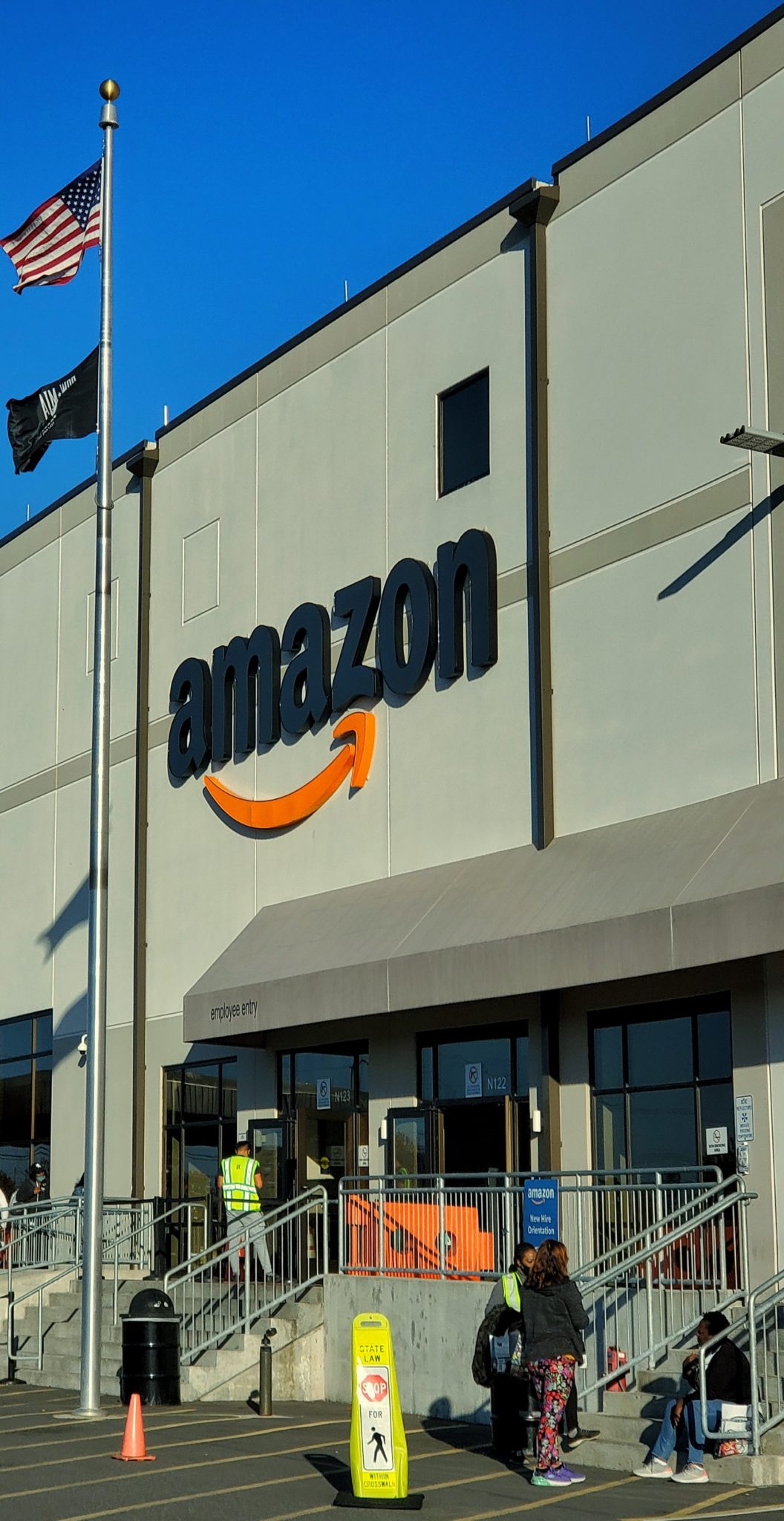
A report released Tuesday by the Strategic Organizing Center (SOC), a coalition of major unions, finds that Amazon employees are injured at nearly twice the rate of other warehouse workers. The report attributes this disparity to the intense productivity targets Amazon imposes on the millions of people working in its fulfillment centers, which are central to its business model. Somewhat poetically (perhaps tragically), the report comes as internal pamphlets have surfaced revealing that Amazon refers to its warehouse employees as “industrial athletes” and instructs them to “prepare their bodies” for grueling toil. While the company successfully deployed unlawful unionbusting tactics to suppress the historic union drive in Bessemer, the degrading and dangerous conditions exposed in the SOC report will inevitably continue to spawn organizing efforts.
On Tuesday a coalition of California unions preemptively endorsed Governor Newsom in the recall election he appears increasingly likely to face later this year. The state’s labor leaders do not uniformly support Newsom, however. The president of the largest public sector local in the state, SEIU 1000, refused to endorse him, citing the steep wage cuts he imposed on state workers last year in an effort to shore up a pandemic-induced budget shortfall. (Newsom has promised to restore the wages.) Still, the president of SEIU California joined the coalition in voicing opposition to what he cast as a “destructive, costly and distracting recall.”



Daily News & Commentary
Start your day with our roundup of the latest labor developments. See all
September 6
Encore casino workers strike; President Trump commutes sentence of former Philadelphia IBEW leader; Durham labor activist ends his hunger strike against Amazon.
September 4
NLRB advice memo narrows political protest protections; NLRB asks federal appeals court for deference.
September 3
Seond Circuit rejects a NLRB standard for union insignia in employer dress codes; House Republicans ramp up labor union investigations.
September 2
Trump’s US Steel agreement impacts labor talks; Mamdani clashes with teachers’ union; Boeing plans to resume bargaining talks.
September 1
California legislature passes a bill banning AI workplace surveillance of workers' emotional states; Labor Department repeals decades-old farmworker protection rules; Sixth Circuit upholds a $1.4 million verdict for farmworkers.
August 31
Boston Symphony Orchestra musicians stave off first-ever strike; Cleveland Public Library workers ratify new contracts; New York State AFL-CIO makes endorsements