Zachary Boullt is a student at Harvard Law School.
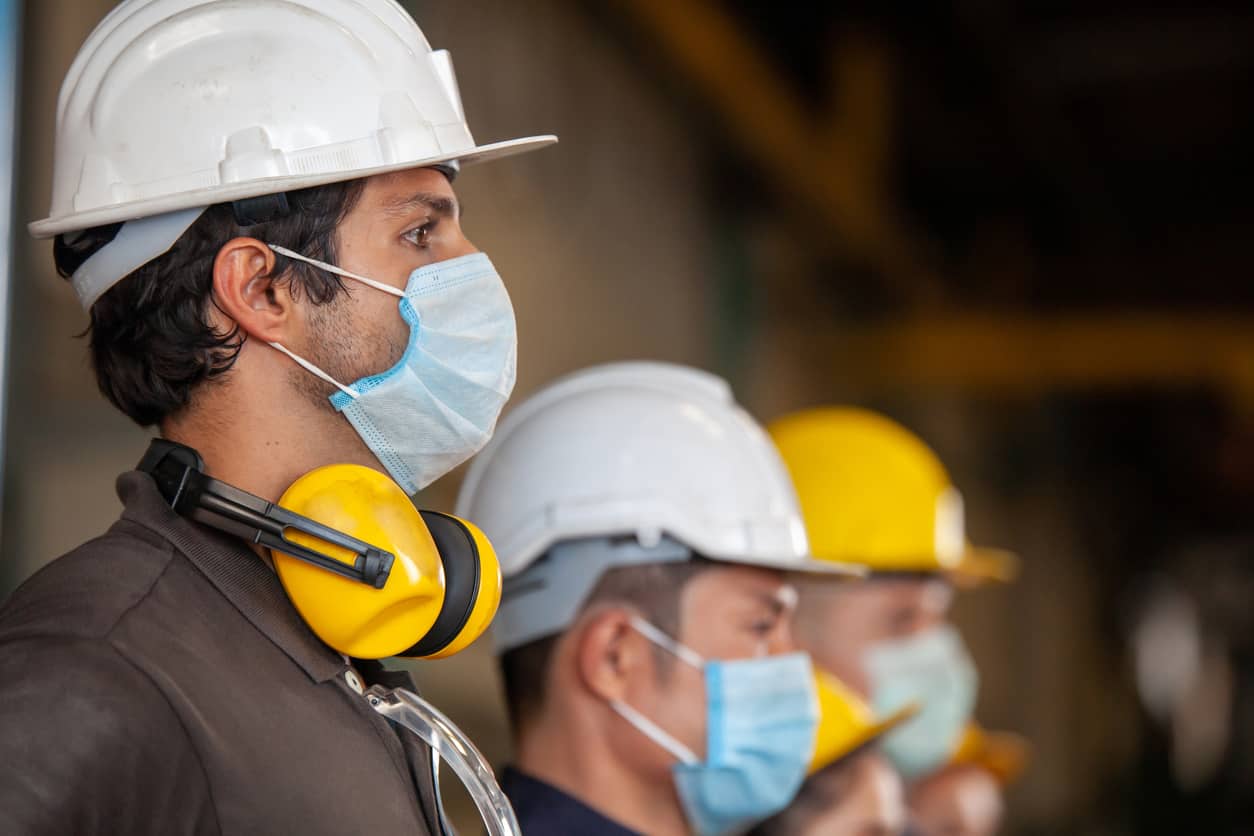
Multiple developments for workplace safety during the pandemic are taking place on the federal and state level. With some states beginning to loosen restrictions such as masking, OSHA is poised to issue new emergency regulations as early as this week. While what these regulations could contain is up to speculation, some lawyer analysts believe the regulations will require masking and make employers ensure that employees have free access to the vaccine by reimbursing time and expenses in acquiring it. Some business leaders and trade groups are pushing OSHA to adopt a federal standard similar to Virginia’s state standard, which gives businesses flexibility to categorize their own risk category based on the requirements of certain jobs. Meanwhile, emergency temporary standard legislation is heading to Governor Larry Hogan’s desk in Maryland. The Maryland bill, HB 581, would require the state to adopt the federal standard as its own once it is implemented. If the federal standard has not been implemented by the time HB 581 becomes law, then the state OSHA is tasked with writing its own standards within two weeks. The bill also requires employers to give essential workers emergency paid leave during public health emergencies, but only when that emergency paid leave is funded by federal or state government money.
While the Trump administration rule barring entry into the United States of certain foreign visa workers has expired, these workers are still struggling to get visa appointments and entry. The expired Trump regulation prevented H-1B specialty occupation guestworkers and their H-4 spouses, intracompany transferees on L visas, summer exchange J visa holders, and nonagricultural seasonal H-2B workers, with some exceptions, from entering the United States, in an ostensible effort to protect U.S. jobs during the pandemic. These visa holders are now finding themselves facing travel restrictions against nationals from China, Brazial, South Africa, and most of Europe, as well as administrative backlog and visa processing delays. The State Department interpreted last year’s restrictions as preventing the issuance of visas, and the lack of processing has now resulted in substantial waiting periods. Non-immigrant work visas are at the bottom of the current visa processing priority list, so wait times are expected to continue.
An analysis of union-negotiated raises has shown that ratified contracts in 2020 still secured union workers an average pay raise of more than 3%, higher than any year in the recovery period following the Great Recession. While first-year wage increases fell .2% from the previous two years, the 3.1% rate is nowhere near the nadir in 2011 of 1.4%. The data gives some indication that labor-management relations and bargaining models could remain mostly intact following the pandemic, especially compared to changed management behavior following the Great Recession.




Daily News & Commentary
Start your day with our roundup of the latest labor developments. See all
September 17
Unions push to block Google from buying Spirit Airlines employment records; U.S. Department of Labor sues Oklahoma coffee chain over alleged wage violations.
September 16
Trump nominates Catherine Eschbach as EEOC general counsel; NLRB declines to resolve union work-assignment dispute; Allina Health physicians begin four-day strike.
September 15
Documents reveal the inner workings of Amazon's union avoidance program; Washington state public sector unions reach tentative deals amid a difficult bargaining cycle; hundreds of Nevada Culinary Union members protest their union's health care changes.
September 14
NCAA and Big Ten file motion to dismiss in former star player's NIL suit; Seventh Circuit rules against former postal worker in discrimination suit.
September 13
Documents released on the 25th anniversary of the 9/11 attacks show that city officials encouraged workers to return to Ground Zero despite knowing the risks of asbestos exposure, and new polls demonstrate continued widespread support for labor unions.
September 10
Amazon workers allege pregnancy discrimination; federal unions challenge USDA reorganization; NYC warns of silicosis risks.