
Zachary Boullt is a student at Harvard Law School.
After furloughing its stagehand workers at the start of the pandemic, the Met is now negotiating for pay and benefits cuts and outsourcing stagehand labor to non-union shops. At the onset of the pandemic, management invoked its force majeure clause to furlough stagehand workers, musicians, and singers without pay beyond March 31, 2020. Since then, the unionized stagehand workers have been locked out of the Met after failed contract negotiations which have gone on since July. The Met is seeking a 30% pay cut and a host of benefits cuts to overtime pay, sick pay, vacation pay, and health insurance. Amongst the unsuccessful negotiations, the Met has begun using non-union shops and overseas labor, replacing stagehand workers and musicians. Representatives of the stagehand workers contend that the Met is using the pandemic as an opportunity to weaken the union’s bargaining power.
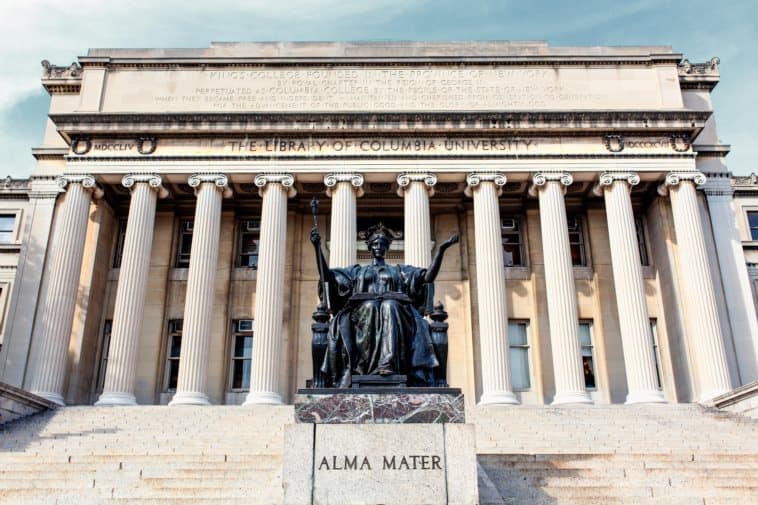
Graduate student workers and student workers at Columbia University have gone on strike. The strike comes four years after the graduate students unionized as the two parties have reached an impasse over negotiations for the union’s first contract. The strike also comes shortly after the NLRB rescinded a proposed rule that would have prevented union bargaining on behalf of graduate students, as OnLabor editor and contributor Jon Levitan wrote about last week. Columbia has stated striking workers will not only have their salaries revoked but will have financial aid stipends reduced; striking workers will also have to pay the university back the amount of the deducted financial aid stipend if they already received the payment as a lump sum. Issues still being debated in negotiations include salary and hourly rates, which hourly workers to include in the bargaining unit, consequences of not paying union dues, access to neutral arbitration for discrimination and harassment, an emergency medical support fund, and the university’s contribution to fee and tuition waivers for doctorate students. The union has organized a hardship fund, which as of this writing has raised $62,867.
David Streitfeld at The New York Times this week is focusing on Amazon’s union busting tactics, focusing on a thwarted unionization effort at a warehouse in Chester, Virginia from 2014 to 2015. The International Association of Machinists and Aerospace Workers had filed unfair labor practices against Amazon, accusing it of using anti-union tactics during a push to unionize 30 facilities technicians. In a resultant settlement agreement approved by the NLRB, Amazon agreed to post a notice to employees of twenty-two anti-union actions it agreed not to commit. The settlement at the time was not publicized. The Chester settlement notice also said Amazon would rescind a termination warning it had issued to the union driver’s lead organizer, Bill Hough Jr., but Hough was fired anyway six months later. Interviewed technicians from the unionization effort recall retaliatory terminations, threats of reprisal for union support, characterizations from Amazon of union supporters as a cancer, and surveillance.
Ohio and the state’s largest labor union, the Ohio Civil Service Employees Association (OCSEA), have announced that they have reached a tentative labor agreement. The OCSEA represents about 27,000 state employees. The agreement concludes three months of negotiations for a new contract, which will replace the previous agreement signed in 2018. Details are forthcoming.

Daily News & Commentary
Start your day with our roundup of the latest labor developments. See all
September 29
Unions, AI companies, and private equity firms form a new coalition to shape data center policies; unions express support for the Paramount-Warner Bros. merger.
September 28
The Protect College Sports Act nears passage in the Senate; San Francisco municipal workers agree to contract extensions.
September 27
The Trump Administration reaches a settlement with federal unions on reduction in force actions; the United Auto Workers file an en banc petition seeking review of a Second Circuit decision regarding labor arbitrations.
September 25
Healthcare workers rally to restore legal status for TPS holders; nurses at a Maine hospital overwhelmingly vote to form their union despite alleged aggressive union busting tactics.
September 24
NLRB abandons rule for offensive conduct during protected activity; New York home care workers seek a union election; maritime deck officers endure long fight for first contracts.
September 23
DoorDash settles delivery-worker pay claims; Philadelphia school workers win new contract; stock gains spur retirements.