

Adi Kamdar is a student at Harvard Law School.
Roughly 20,000 factory workers at two GM plants in Canada will strike if a new contract is not signed by tonight, according to MarketWatch. The president of the union Unifor—Canada’s largest private-sector union—said that recent meetings to secure future work haven’t been successful. The factory creates engines for 15% of SUVs sold in the United States.
PBS NewsHour has a feature on the history of labor laws and farmworkers—as well as recent updates that attempt to give them more rights. The piece covers the decision to exclude farmworkers from certain labor laws, to last week in California, which passed a historic law extending overtime pay to farmworkers.
Transit agencies are partnering with Uber to supplement services, according to the Pittsburgh Post-Gazzette. In St. Petersburg, Florida, Uber riders on their way to or from transit stops get direct subsidies—half the cost of a ride, up to $3. Supposedly these systems have “helped increase ridership on their systems,” as they help solve the “first mile, last mile” problem—getting riders to and from transit stops. They’ve also saved money: the Florida public transit authority eliminated two underused routes, saving $140,000 per year, and instead spent $40,000 on the Uber subsidy. The goal, however, is to fill in the gaps where the transit systems are lacking, not to replace the transit systems altogether. According to the article, these partnerships “haven’t been viewed as a threat to union drivers.”
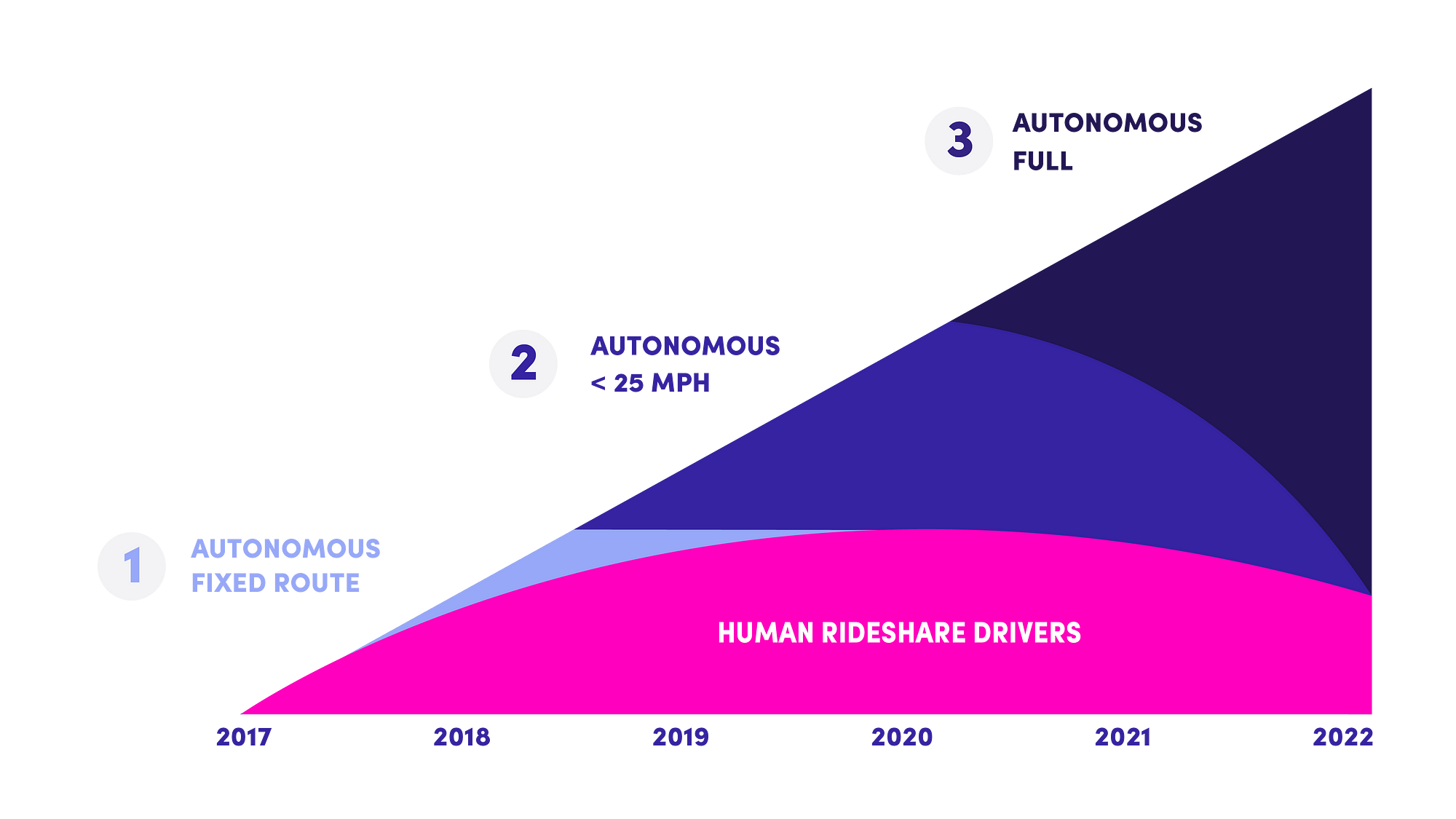
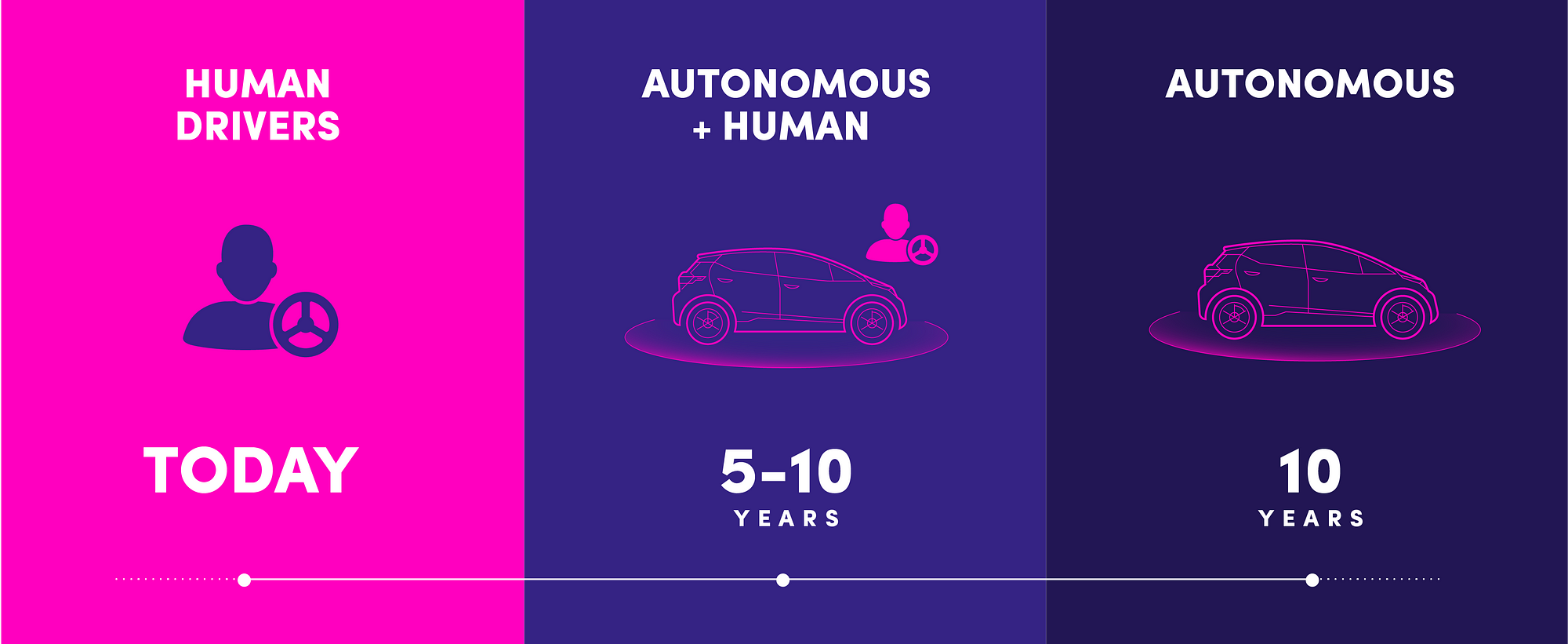
Lyft’s cofounder John Zimmer predicted driverless cabs in five years, according to BBC. Zimmer laid out a timeline in a Medium post: in two years, driverless cars will be available to Lyft users on fixed routes. Next, these cars will be able to go anywhere, but at a maximum of 25 mph. The third stage is full autonomy. While Zimmer notes that this will likely lead to a drop in private car ownership, he claims that the number of jobs for drivers will actually increase in the first five-to-ten years. (Ignore the fact that the post features a couple images that display the elimination of human involvement.) An easier, more efficient system will lead to more riders; more riders means more demand; more demand means more humans handling the initial batch of autonomous vehicles. Zimmer seems to leave out any discussion of the next step.
Motherboard covers “robot labor” in shipping warehouses—a focus point of innovation, despite its burdens.

Daily News & Commentary
Start your day with our roundup of the latest labor developments. See all
October 1
Senate confirms Keith Sonderling as Labor Secretary; Amazon warehouse workers launch an unfair labor practice strike.
September 30
Harvard grad union wins in First Circuit; AI data trainers initiate misclassification suits; Trader Joe’s found liable under ERISA.
September 29
Unions, AI companies, and private equity firms form a new coalition to shape data center policies; unions express support for the Paramount-Warner Bros. merger.
September 28
The Protect College Sports Act nears passage in the Senate; San Francisco municipal workers agree to contract extensions.
September 27
The Trump Administration reaches a settlement with federal unions on reduction in force actions; the United Auto Workers file an en banc petition seeking review of a Second Circuit decision regarding labor arbitrations.
September 25
Healthcare workers rally to restore legal status for TPS holders; nurses at a Maine hospital overwhelmingly vote to form their union despite alleged aggressive union busting tactics.