
Nikita Rumsey is a student at Harvard Law School.
Maryland’s Republican governor Larry Hogan vetoed a statewide paid family and medical leave bill this week. The bill would have guaranteed up to 12 weeks annually for workers with medical need or up 24 weeks for a parent requiring medical need during pregnancy followed by parental leave. However, the state legislature passed the bill with more than the three-fifths majority needed for a veto override, so the bill may yet become law. The legislature will likely need to take another vote before their regular session adjourns on April 11.
Meanwhile, as Bloomberg reported, David Weil, former DOL Wage and Hour administrator during the Obama administration, withdrew his name from consideration for the role this week after failing to garner the necessary support among Senators to advance his nomination. Republicans and business community allies accused Weil of stifling franchising and independent contracting due to his criticism of gig-economy companies’ labor practices and support for broad joint employer rules. Additionally, three moderate Senate Democrats joined Republicans to oppose Weil’s nomination.
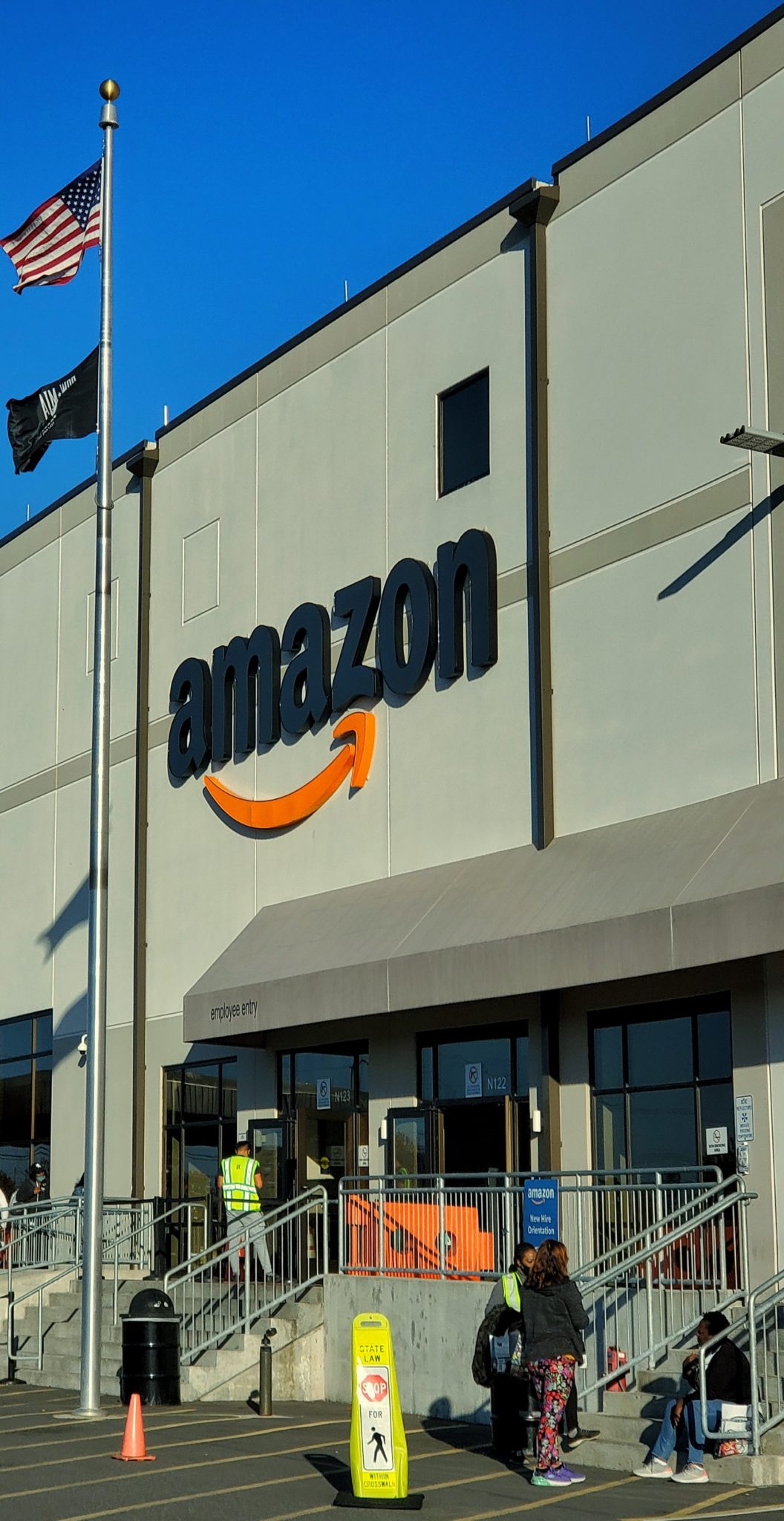
In the other news, the historic union victory by the fledgling Amazon Labor Union at the JFK8 fulfillment center may face a protracted legal battle. Amazon filed an appeal this week seeking to overturn the election, outlining 25 objections, including a claim that ALU did not meet the required threshold of employee signatures to compel a vote as well as an objection to undue influence of the NLRB. According to Bloomberg, labor experts do not expect the Board to grant Amazon’s petition, but the ensuing legal fight could hinder the ALU for months or years to come.




Daily News & Commentary
Start your day with our roundup of the latest labor developments. See all
October 22
SCOTUS declines Wilcox appeal; Penn State research assistants win bargaining rights; SEIU sued over military leave firing.
October 21
DOL withdraws tipped-worker rule; Instacart settles hiring-bias claims; Phillips 66 locks out New Jersey refinery workers.
October 20
Korean unions oppose labor exemption bill; Portland city workers prepare for strike; UPenn grad student union looks to dismiss university filing
October 19
FDA reverses course on policy prohibiting off-duty union activity; FAA and NATCA reach deal to secure pay increase for air traffic controllers.
October 18
Federal judge again halts cancellation of the Bureau of Prisons’ CBA; tabletop gaming workers face roadblocks in union recognition.
October 16
Department of Labor reduces wage-and-hour enforcement at unionized workplaces; Fain's victory poses question of federal monitor's extension.