

Alexander W. Miller is a student at Harvard Law School.
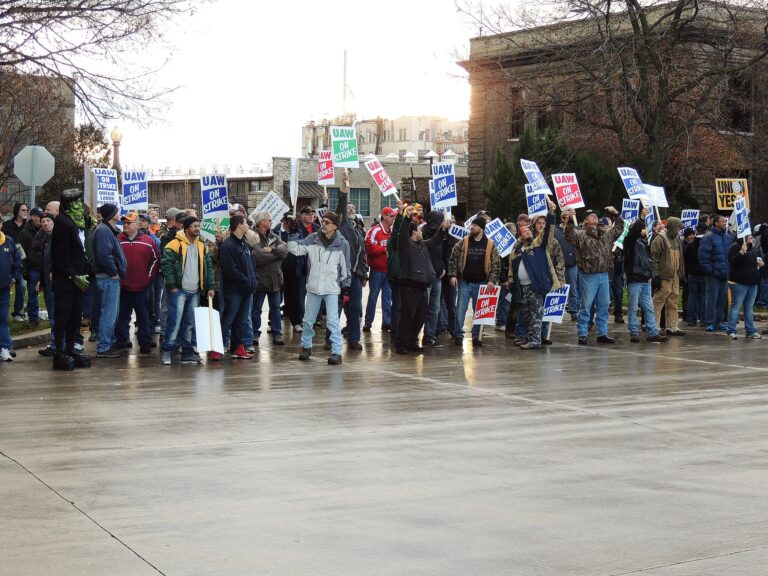
Two major unions reached last minute deals yesterday, averting strikes by more than 30,000 workers. In Chicago, the teachers union and city school board reached a preliminary deal only moments before a deadline that would have resulted in educators walking out for the third time since 2012. Under the terms of the deal—which still must be approved by Chicago Teachers Union members—the city of Chicago agreed to transfer more than $80 million in surpluses from tax increment financing districts to public schools, and stepped back from proposed cuts in the city’s portion of pension contributions. In Canada, Fiat Chrysler Automobiles and Unifor, which represents more than 10,000 autoworkers, tentatively agreed on a deal that matched the key terms from an earlier agreement with General Motors. The contract emphasized reinvestment in several aging plants and a faster timeline for newly hired workers to reach full wages.
At POLITICO, Ted Hesson explores some of the leaked emails purportedly belonging to John Podesta, Hillary Clinton’s campaign chairman. The emails describe internal deliberations on whether to publicly announce support for a $15 minimum wage, and the battles fought by the campaign during the second half of 2015 as it tussled with Bernie Sanders for union endorsements.
In the United Kingdom, a new study by the Resolution Foundation predicts that the lowest paid workers in Britain could see significant reductions in wage growth due to the effect of Brexit on the inputs used to calculate the minimum wage. Though a £9 per hour rate by 2020 had been touted by the government, current projections for the national living wage reach only £8.20 by the end of the decade.



Daily News & Commentary
Start your day with our roundup of the latest labor developments. See all
March 12
EPA terminates contract with second-largest union; Florida advances bill restricting public sector unions; Trump administration seeks Supreme Court assistance in TPS termination.
March 11
The partial government shutdown results in TSA agents losing their first full paycheck; the Fifth Circuit upholds the certification of a class of former United Airline workers who were placed on unpaid leave for declining to receive the COVID-19 vaccine for religious reasons during the pandemic; and an academic group files a lawsuit against the State Department over a policy that revokes and denies visas to noncitizens for their work in fact-checking and content moderation.
March 10
Court rules Kari Lake unlawfully led USAGM, voiding mass layoffs; Florida Senate passes bill tightening union recertification rules; Fifth Circuit revives whistleblower suit against Lockheed Martin.
March 9
6th Circuit rejects Cemex, Board may overrule precedents with two members.
March 8
In today’s news and commentary, a weak jobs report, the NIH decides it will no longer recognize a research fellows’ union, and WNBA contract talks continue to stall as season approaches. On Friday, the Labor Department reported that employers cut 92,000 jobs in February while the unemployment rate rose slightly to 4.4 percent. A loss […]
March 6
The Harvard Graduate Students Union announces a strike authorization vote.