

Martin Drake is a student at Harvard Law School.
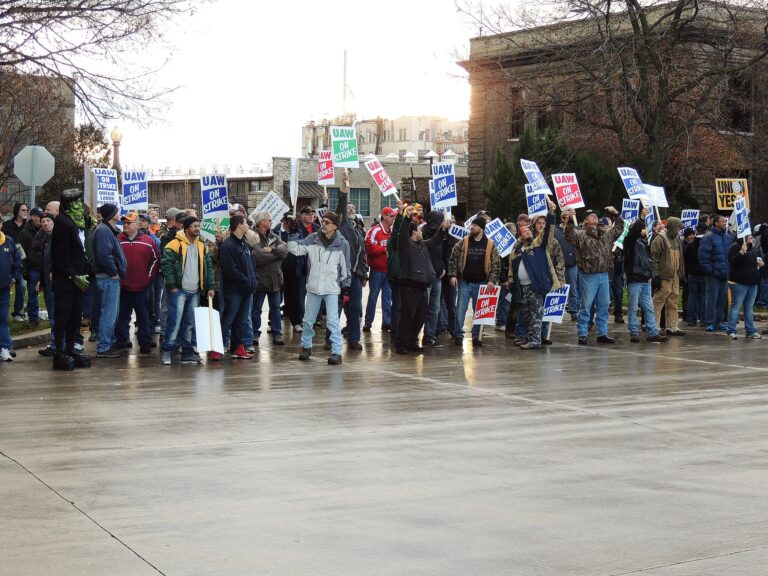
United Steelworkers and ArcelorMittal SA reached a tentative contract deal covering 15,000 workers late last week, the Wall Street Journal reports. The four-year contract includes 3 percent to 4 percent wage increases each year and a $4,000 signing bonus. Union members still have yet to vote on the proposed agreement. The Steelworkers reached a similar deal with U.S. Steel Corp. In October.
Monthly wage numbers released last Friday showed 3.1 percent wage growth for the first time since 2009, the Washington Post reports. While the 3.1 percent represents an important milestone, it is relatively low for a period where U.S. companies are posting record profits. In the 1990s dot-com boom, for example, wage growth often hit 3.5 to 4 percent per month.
That wage growth came as unemployment maintained its 49-year low at 3.7 percent in October, the Wall Street Journal reports. Hiring was buoyed by the transportation and warehousing sector, which accounting for nearly 10% of total U.S. job growth last month. Altogether employers added 250,000 workers to their payrolls in October.
Data from the Department of Labor show that farms are increasingly turning to the H2-A temporary visa program to find workers, Mother Jones reports. According to the DOL, the number of positions certified for the H-2A program grew by 21 percent since the last fiscal year. Immigrant advocacy groups have condemned housing and working conditions in the program in recent years. In 2013, an investigation by the Southern Poverty Law Center wrote that conditions in the program were “close to slavery.” In addition, a report released last year found that illegal recruitment fees made workers susceptible to retaliation, blacklisting, and visa denial.



Daily News & Commentary
Start your day with our roundup of the latest labor developments. See all
March 29
The Department of Veterans Affairs re-terminates its collective bargaining agreement despite a preliminary injunction, and the Federal Labor Relations Authority announces new rules increasing the influence of political appointees over federal labor relations.
March 27
“Cesar Chavez Day” renamed “Farmworkers Day” in California after investigation finds Chavez engaged in rampant sexual abuse.
March 26
Supreme Court hears oral argument in an FAA case; NLRB rules that Cemex does not impose an enforceable deadline for requesting an election; DOL proposes raising wage standards for H-1B workers.
March 25
UPS rescinded its driver buyout program; California court dismissed a whistleblower retaliation suit against Meta; EEOC announced $15 million settlement to resolve vaccine-related religious discrimination case.
March 24
The WNBPA unanimously votes to ratify the league’s new CBA; NYU professors begin striking; and a district court judge denies the government’s motion to dismiss a case challenging the Trump administration’s mass revocation of international student visas.
March 23
MSPB finds immigration judges removal protections unconstitutional, ICE deployed to airports.