
Hannah Finnie is a writer in Washington, D.C. interested in the intersections of work and culture. She is a graduate of Harvard Law School.
In local news, the staff working on Dianne Morales’ campaign for the New York City Democratic nomination for Mayor moved to unionize earlier this week, requesting voluntary recognition from Morales. The workers organizing cited “a culture of manipulation, harassment, and abuse” in the workplace as their motivation for unionizing. Morales’ campaign manager stepped down a day prior to the union making its request for recognition public, also citing the campaign’s refusal to address toxicity in the workplace. After an initially positive response from Morales, who appeared ready to voluntarily recognize the union and has outwardly said she supports the union, Morales then abruptly fired four of the union’s leaders. In response, the union has begun a work stoppage as of late Thursday afternoon, saying it will only resume working as soon as Morales agrees to the union’s demands. Their demands include re-hiring the four union leaders, as well as changes to wages and health insurance benefits. Morales has positioned herself as a progressive and is seen as the left-most candidate in the race. She’s publicly pro-labor, supporting positions on her website like expanding just cause protections and broadening protections for gig workers, domestic workers, street vendors, and more. Prior to her staff unionizing, labor and labor-affiliated groups including the Working Families Party, the United Auto Workers (ranked choice #2), and the Committee of Interns and Residents/SEIU had endorsed her. Early voting for the race begins in nine short days, and the election is on June 22.
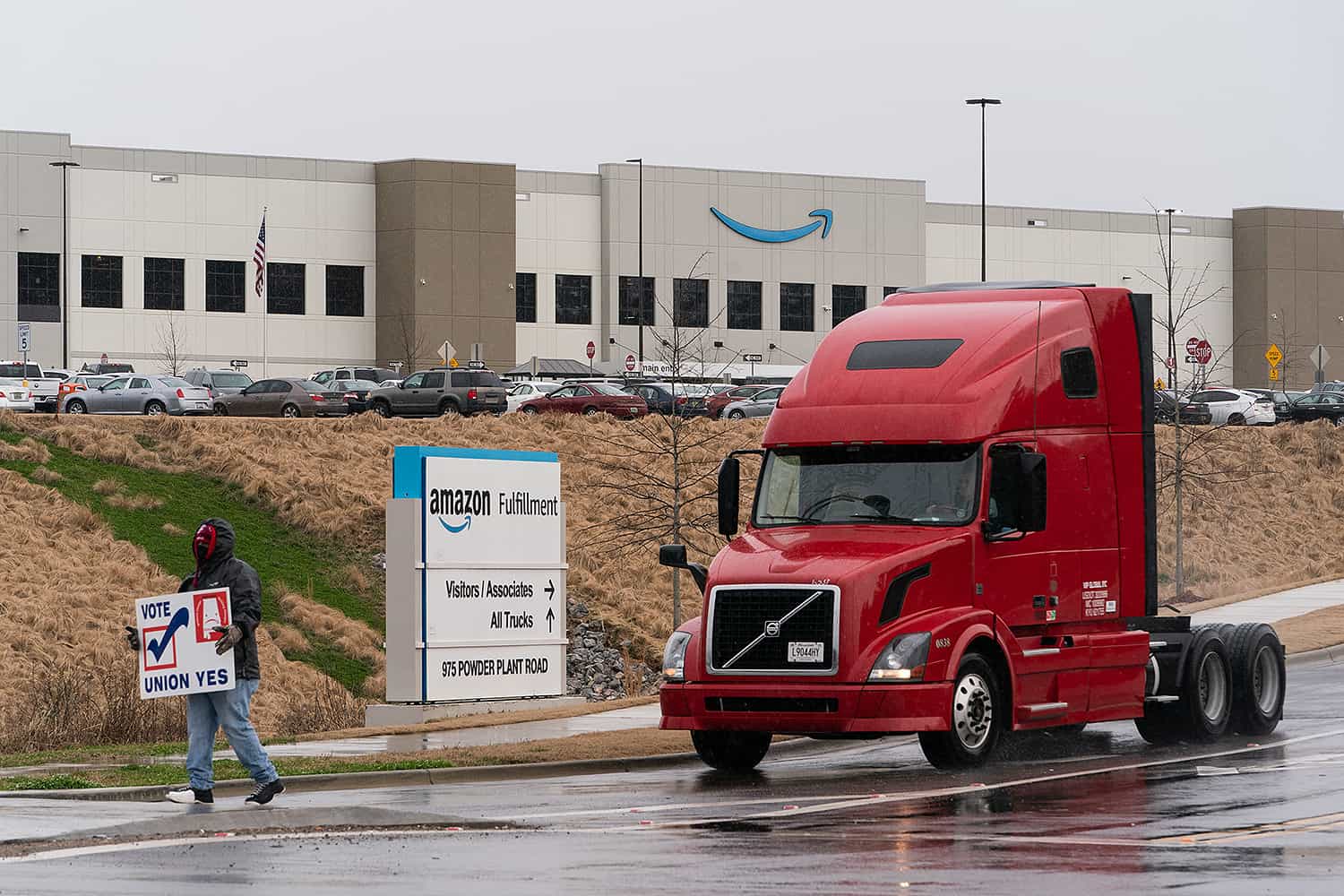
Over at Amazon, after the high-profile organizing drive in Bessemer, Alabama this spring failed to get enough votes to secure a union, labor activists are still trying to make inroads at the company. Shareholders considered – and ultimately voted down – a proposal to add one of Amazon’s own hourly workers to Amazon’s board on Wednesday. Having workers on a company’s board is relatively rare in the United States – Delta Airlines Inc and United Airlines Holdings Inc are two of the only large companies in the United States to have such policies (called co-determination). But co-determination, which aims to make companies more beholden to worker interests and create worker influence over financial and management decisions, is much more common abroad. In Germany, for instance, it’s required by law that large companies allow workers to vote for up to half the members of their boards. Senator Elizabeth Warren (D-Mass.) introduced a bill in 2018 that, if passed, would have allowed workers to vote for two-fifths of corporate board seats. The shareholder resolution at Amazon, which occurred during Jeff Bezos’ last shareholder meeting as CEO, didn’t pass – and wasn’t expected to. However, it did gain some surprise supporters, including a proxy adviser (International Shareholder Services).
President Obama’s former Labor Secretary Tom Perez, who served as chairman of the Democratic National Committee (DNC) through the 2020 election, has taken a new role at the law firm Venable. The firm is a management-side firm in labor disputes and still uses forced arbitration agreements – a policy that the Obama administration had tried to disallow, including through a rolled-back CFPB rule that would have banned the practice for financial institutions.
As previously mentioned on this blog, Republican-led states are eliminating the extra $300 in unemployment assistance that was passed by congress through the American Rescue Plan, citing concerns that the unemployment assistance is causing unemployed workers to avoid going back to work. This is largely untrue, but as of this morning at least 23 states have said they will stop the federal aid sometime over the summer (these states include: Alabama, Alaska, Arizona, Arkansas, Georgia, Idaho, Indiana, Iowa, Mississippi, Missouri, Montana, North Dakota, Ohio, Oklahoma, South Carolina, South Dakota, Tennessee, Texas, Utah, West Virginia and Wyoming). The Biden administration, which originally seemed poised to try and prevent the ax of the extra aid, will not be stepping in, believing that it lacks the authority to do so.


Daily News & Commentary
Start your day with our roundup of the latest labor developments. See all
September 13
Documents released on the 25th anniversary of the 9/11 attacks show that city officials encouraged workers to return to Ground Zero despite knowing the risks of asbestos exposure, and new polls demonstrate continued widespread support for labor unions.
September 10
Amazon workers allege pregnancy discrimination; federal unions challenge USDA reorganization; NYC warns of silicosis risks.
September 9
Wynn Las Vegas employees allege anti-union retaliation; Amazon faces a class action over pregnancy accommodations; H-1B demand plunges following a six-figure visa fee.
September 8
In today’s News and Commentary, workers and unions across America celebrate Labor Day, California’s SEIU Local 1000 prepares for a strike authorization vote, and New York City creates the Office of Worker Power. On Monday, labor unions and workers gathered in cities across the United States in celebration of Labor Day. Parades and rallies took […]
September 7
Eighth Circuit finds DOL order violates Seventh Amendment; 1,300 workers at Encore Boston Harbor go on strike.
September 6
Encore casino workers strike; President Trump commutes sentence of former Philadelphia IBEW leader; Durham labor activist ends his hunger strike against Amazon.