
Annie Hollister is an Honors Attorney at the U.S. Department of Labor and an alumna of Harvard Law School.
France’s high court has ruled that Uber drivers are properly classified as employees. The court’s opinion described drivers’ relationship to the ride-share platform as one of “subordination,” because drivers do not build their own clientele or set prices. The decision will have significant financial implications for Uber’s operations in France, as the current model of classifying drivers as self-employed contractors exempts the ride-share company from paying taxes to fund France’s robust welfare state.
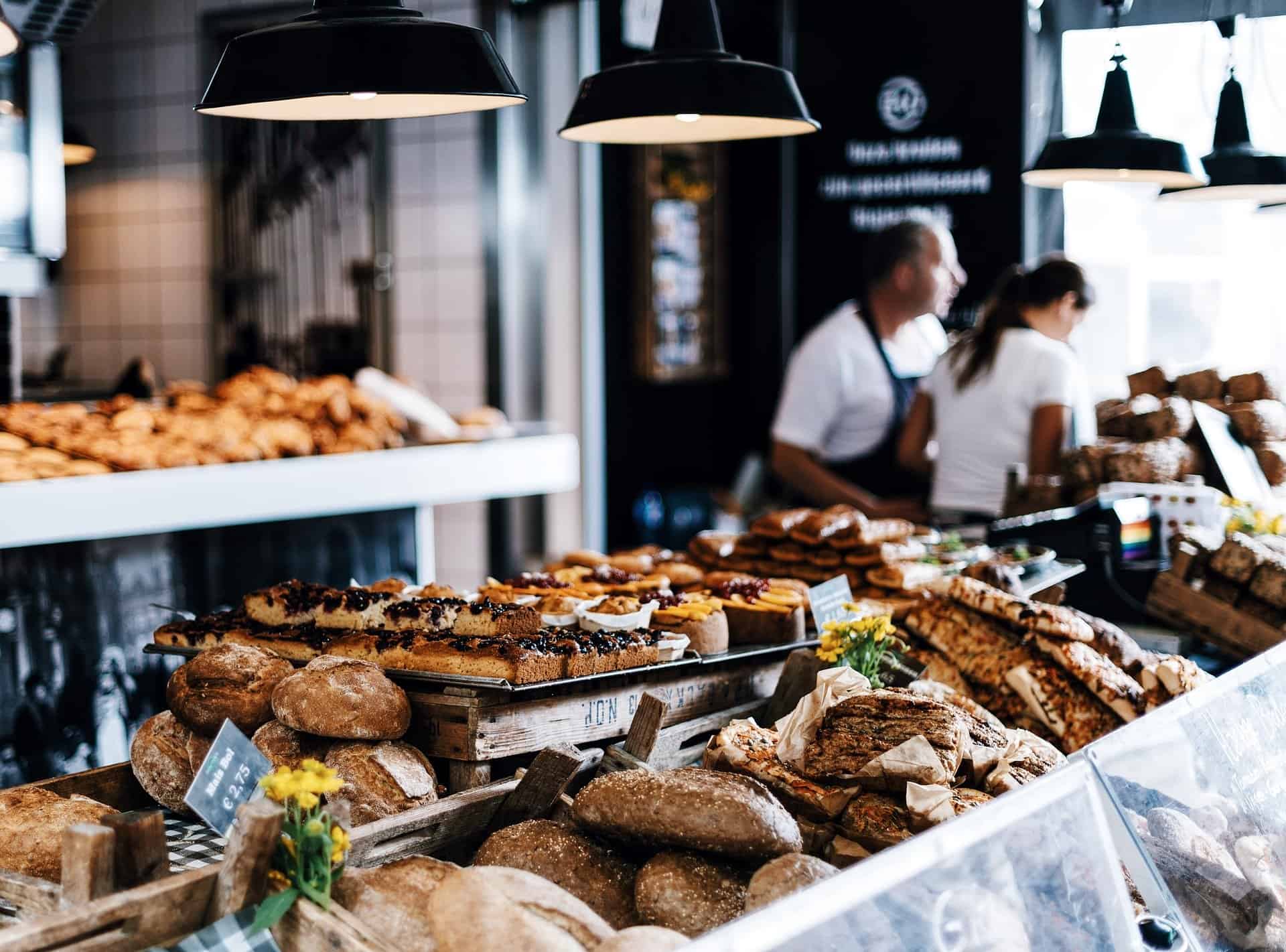
San Francisco’s Tartine Bakery has officially come out in opposition to a campaign to unionize its workers. Last month, Tartine employees informed management of their intent to organize with the International Longshore and Warehouse Union (ILWU), which recently ran a successful organizing campaign in the nearby Anchor Brewing. Tartine owner Elizabeth Prueitt told the San Francisco Chronicle that she is generally pro-union, but would prefer to keep her bakery union-free as it expands into new markets in Korea and Los Angeles. San Francisco locations were closed yesterday for what organizers characterized as “mandatory anti-union meetings.” An NLRB election is scheduled for next week.
Joe Biden has picked up a slew of labor union endorsements following his stronger-than-expected performance on Super Tuesday. In These Times reports that six locals of the Retail, Wholesale, Department Store Union (RWDSU) endorsed Biden yesterday, in what In These Times describes as an attempt to “read[] the political tea leaves.” The RWDSU national has not issued an endorsement.
The Washington Post reports that Debbie Berkowitz, a former federal regulator now employed at the National Employment Law Project, was pressured to withdraw from an Amazon-sponsored conference after she contributed to a report critical of the company’s worker safety practices. Berkowitz had been invited to participate in a panel on occupational health and safety at this week’s American Bar Association Labor and Employment Law conference. But Berkowitz voluntarily withdrew after “drawing opposition” from other panelists, including Heather MacDougall, Vice President of Worldwide Employee Health and Safety for Amazon.
Earlier this week, Deanna and Ryan began cataloging articles on the impact of COVID-19 on the American workforce. Yesterday, Elie Mystal expanded on this reporting for The Nation, arguing that many tools that may protect against the spread of the coronavirus are available only to the socioeconomic elite. Mystal points out that telecommuting and paid sick days are available primarily to the professional classes, and that disparities between professionals and “wage earners” will be exacerbated in the event that schools close and parents are forced to seek emergency child care.



Daily News & Commentary
Start your day with our roundup of the latest labor developments. See all
October 27
Some California union locals defy their statewide leadership to back the state’s billionaire tax proposal; a Brown University technology center releases a map of the hidden global workforce behind AI; the National Women's Soccer League and its players union settle six grievances.
October 26
Harvard dining workers authorize strike; New York City bans horse carriages; Brooklyn nurses rally in support of colleague.
October 25
Dallas Cowboys Cheerleaders unionize; Bureau of Prisons again pushes for union contract cancellation; CSU faculty votes on strike authorization.
October 23
Employers increasingly shift health care costs onto workers and NYC proposes placing restrictions on fully automated customer service.
October 22
SCOTUS declines Wilcox appeal; Penn State research assistants win bargaining rights; SEIU sued over military leave firing.
October 21
DOL withdraws tipped-worker rule; Instacart settles hiring-bias claims; Phillips 66 locks out New Jersey refinery workers.