
Mackenzie Bouverat is a student at Harvard Law School.
The president-elect is due to be inaugurated in just over two weeks. But for all that was putatively decided by Joe Biden’s election, the fate of this country and its people remain suspended in haunting precarity. Months of Congressional ‘deliberation’ now climaxes in a $600 deposit in the bank accounts of citizens — a ‘stimulus.’ Vaccine roll-out—while a welcome respite from the seemingly endless series of senseless tragedies this year has occasioned—has faltered from the start, and Warp Speed officials have already begun to prepare the public for immunological damage control. Cases surge in every state; with each passing day, the country shatters some infection metric record or another. Christmas Day saw Los Angeles ICU capacity fall to 0%, and mere days later, on January 1st, American airports saw their “busiest day of the pandemic.”
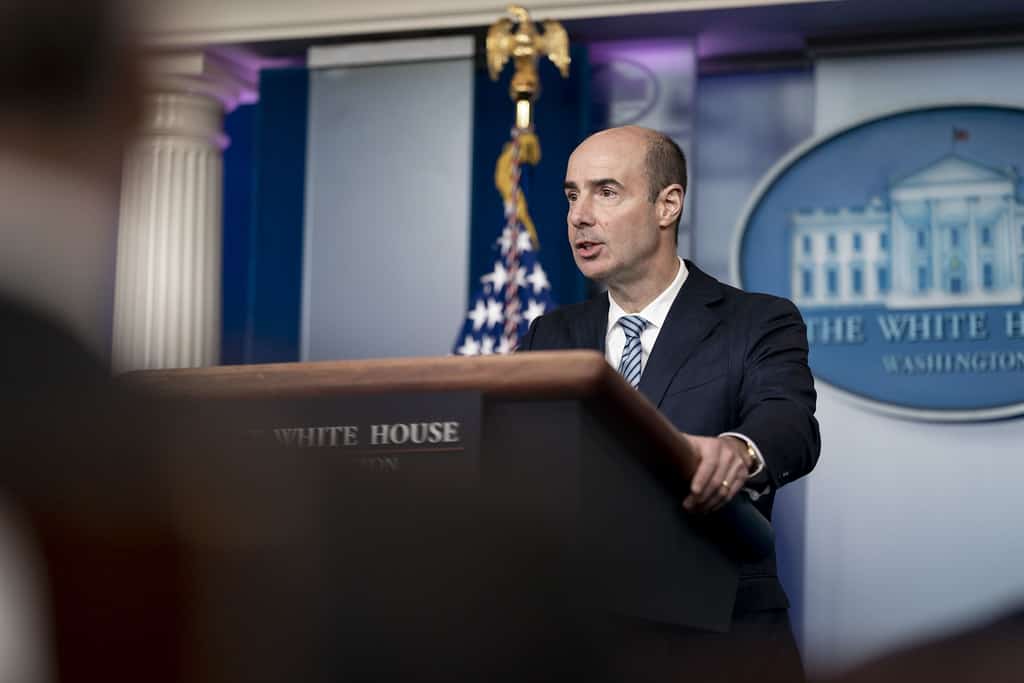
But for all of this, the labor arm of the present Federal administration has dedicated its final days to pushing through long-promised Republican agenda items.
First, Eugene Scalia’s Department of Labor made its promised inroads into a federal redefinition of the ‘independent contractor.’ After a “legal and economic analysis” spanning only ten days, The Office of Information and Regulatory Affairs at the White House Office of Management and Budget has approved a Department of Labor final rule on the use of independent contractors. The regulation redefines “independent contractor,” for employment law purposes, adopting a so-called “economic reality” test for determining whether a worker is an employee or an independent contractor. The test interrogates whether the worker is “economically dependent” on the possible employer for work, appealing to five non-dispositive factors to make that determination. The two most important factors, the rule indicates, are the nature and degree of an employer’s control over the work, and the worker’s opportunity for profit or loss based on personal initiative or investment.
Critics recognize the final rule as a stunningly pro-business regulation which “make[s] it easier for companies to treat workers as independent contractors rather than employees,” thereby relieving employers of the need to provide benefits or pay their share of workers’ Social Security, workers’ compensation insurance, and unemployment insurance. In a statement to Zenger News, Rep. Bobby C. Scott (D-Va.), chair of the House Committee on Education and Labor commented that “The Department’s proposal would leave workers even more vulnerable to misclassification by upending longstanding guidance on who is considered an employee under the Fair Labor Standards Act.”
Still, Biden’s incoming press secretary, Jen Psaki, has indicated that this regulation, alongside many others issued in the twilight of the Trump administration, will be blocked from taking effect in a memo on Inauguration Day. Further, as Bloomberg Law notes, the Biden campaign’s labor platform committed to a restoration of the Obama administration’s “aggressive wage-hour misclassification agenda.” Thus, the regulation is likely to be overturned under a Biden DOL.
Second, Trump has extended a ban on new green cards and work visas until March 31 by New Years Eve proclamation. The order also continues the suspension of the diversity visa lottery. The restrictions, which include a freeze on new H-1B and H-4 visas, are allegedly necessary to preserve scarce jobs for Americans. The Biden Administration has yet to comment on whether the ban would be barred upon Biden’s inauguration.
Six California agriculture organizations, including the California Farm Bureau Federation, the Western Growers Association, and the California Business Roundtable, have filed to challenge the states’ emergency temporary standards for the prevention of coronavirus spread on the worksite. The rule, which took effect November 30th, requires employers to provide free testing to employees who have been exposed to the virus at work during working hours. Several provisions also address the agricultural industry directly, restricting the number of employees who may share transportation into work and requiring beds in employer-provided housing to be at least six feet apart. According to Bloomberg Law, the group seeks to enjoin enforcement of the entire rule—or at least the provision on employer-supplied testing. This is the second commercial organization to seek judicial relief from California’s temporary standards: also in December, the National Retail Federation requested an injunction against enforcement of the rule and for the judge to vacate the standard. Both lawsuits remain unresolved.
Daily News & Commentary
Start your day with our roundup of the latest labor developments. See all
April 28
Supreme Court grants cert on Labor Department judges' authority; Apple store union files NLRB charge; cannabis workers win unionization rights
April 27
Nike announces layoffs; Tillis withdraws objection on Fed nominee; and consumer sentiment hits record low.
April 26
Screenwriters in the Writers Guild of America vote to ratify a four-year agreement with the Alliance of Motion Picture and Television Producers, and teachers in Los Angeles vote to ratify a two-year agreement with the Los Angeles Unified School District.
April 24
NYC unions urge Mamdani to veto anti-protest “buffer zones” bill; 40,000 unionized Samsung workers rally for higher pay; and Labubu Dolls found to contain cotton made by forced labor.
April 23
Trump administration wins in 11th Circuit defending a Biden-era project labor agreement rule; NABTU convenes its annual legislative conference; Meta reported to cut over 10% of its workforce this year.
April 22
Congress introduces a labor rights notification bill; New York's ban on credit checks in hiring takes effect; Harvard's graduate student workers go on strike.