
Tala Doumani is a student at Harvard Law School.
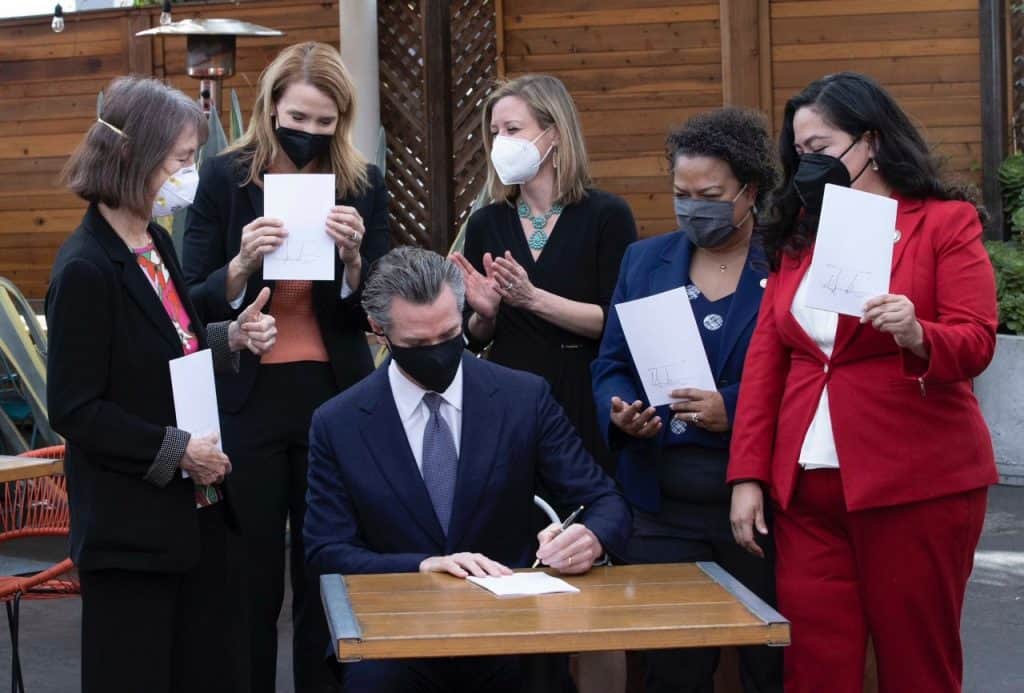
Yesterday, California Governor Gavin Newsom signed into law a new COVID-19 Supplemental Paid Sick Leave plan. Under the new plan, employees are eligible for up to 80 hours of paid leave for COVID-19 related absences. The statute, which was codified in the California Labor Code, applies to employers with 26 or more employees. The scope of what qualifies for a COVID-19 related absence is broadly construed – including use for employees who have been advised to quarantine, those caring for COVID-19 positive family members, and attending vaccination appointments. In announcing the law, Newsom’s administration stated that “[p]aid sick leave is key to ensuring workers don’t have to make the impossible choice between going to work sick or losing wages needed to pay rent and keep food on the table.” Unlike in previous federal and state paid sick leave programs, Californian employers are responsible for the costs of the additional time off (with the opportunity for government support down the road). The law retroactively applies to January 1, 2022, and is set to expire on September 30, 2022.



Daily News & Commentary
Start your day with our roundup of the latest labor developments. See all
October 9
DHS proposes a $100k fee for the foreign grad employment program; Trump suspends tech company access to green card program; and private equity perpetuates poor working conditions for home care workers.
October 8
NLRB judge finds UPS unlawfully restricted union insignia; Harvard graduate workers authorize second strike; OSHA orders Union Pacific to pay $300,000 in damages in whistleblower case.
October 7
DOL scraps plan to remove decades-old wage-and-hour guidance from federal regulations; New York enacts personnel records access law; Starbucks loses bid to dismiss Workers United trademark suit.
October 6
Protect College Sports Act dampens athlete unionization outlook; Stanford RA union decides to withdraw petition
October 5
Delaware bans captive audience meetings; EEOC settles remote work national origin discrimination claim; First Circuit stays enforcement order in VA's dispute with AFGE.
October 4
Boston nurses announce open-ended strike; federal judge restores federal prison workers' union protections; St. Louis workers form the first movie theater union in Missouri.