Zachary Boullt is a student at Harvard Law School.
Despite a membership drop across the United States from pandemic job loss, unions have gained an increased share of workers compared to the nationwide job market. California offers a specific case study. California unions have been able to retain their workers during the pandemic at rates three times higher than the rest of the population. This has resulted in a six-year high of California unions’ share of workers in the workforce, despite a drop in membership numbers. Orange County Register attributes union job retention rates to the fact that industries classified as “essential,” such as first responders, nursing workers, and supermarket staff are generally unionized, in comparison to industries hit hardest such as hospitality jobs. This trend is distinct from the last wave of massive job losses during the Great Recession, where California unions lost jobs at a higher rate than the state overall and lost job share.
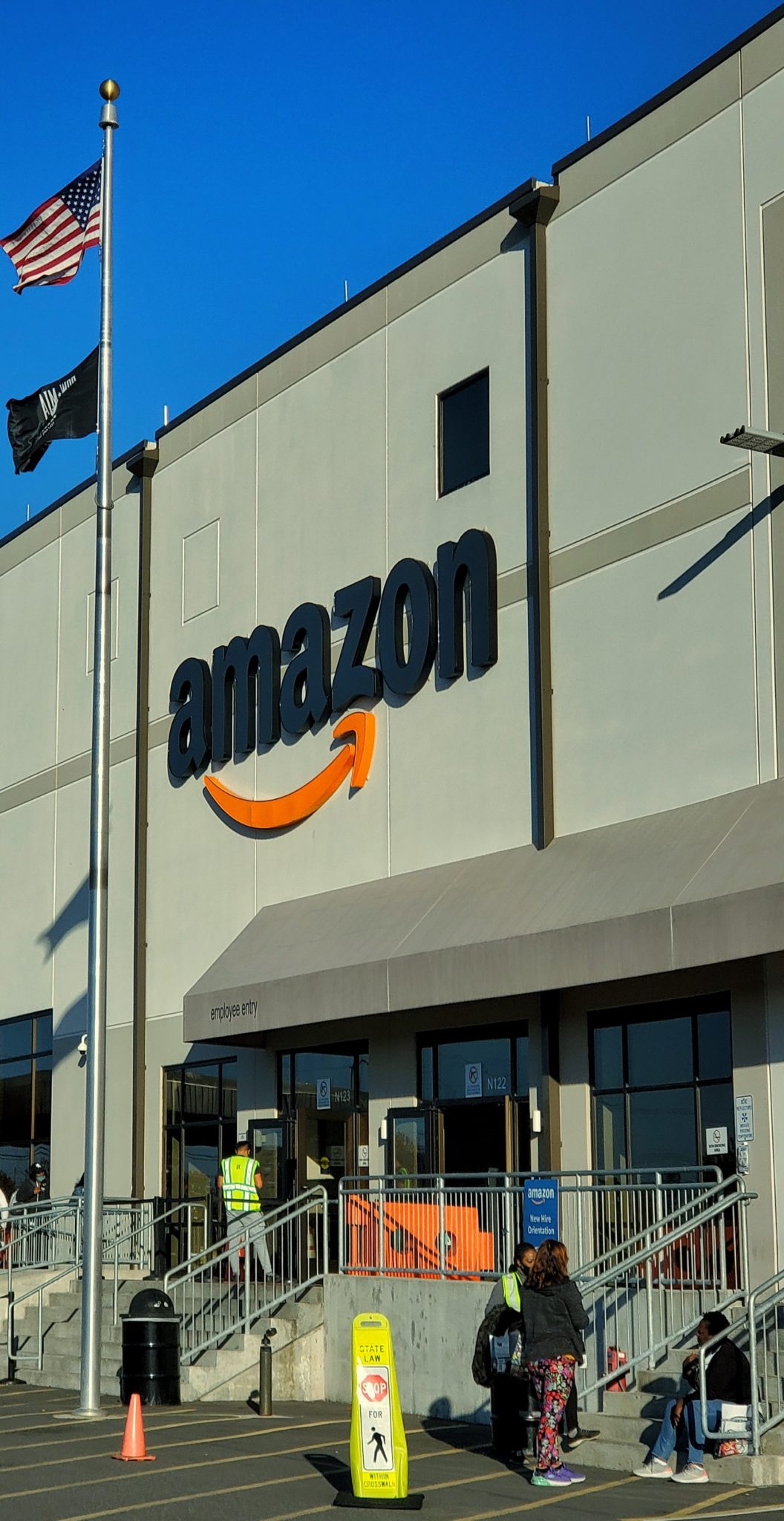
Amazon has begun ramping up its anti-union efforts in its Bessemer, Alabama warehouse with anti-union propaganda in hopes of thwarting the unionization effort. Warehouse management have been hosting mandated captive audience meetings with employees, compelling about 15 employees at a time to attend half-hour anti-union presentations. Anonymous workers have testified that the management brushed off questions regarding the positives of union membership and that the captive audience meetings put workers behind on their duties, forcing them to catch up later. Voting is planned to begin next month and run through late March.
Ripples of influence are beginning to emanate from New York’s upcoming “just cause” termination legislation for fast-food workers. The New York law affords “just cause” protections to fast-food employees and mandates a progressive discipline procedure before most firings. The law was signed by Mayor de Blasio last month and takes effect in July. Analysts now are looking to what effects this measure will have in other states. For example, the UCLA Labor Center has begun researching adoption of similar “just cause” protections in California. Tia Koonse, a legal and research policy manager there, favors their adoption but warns of the difficulty advocates of the protection would have in getting the policy through the legislature. A bill for fast-food worker protection has been introduced by California Assemblywoman Lorena Gonzalez, but the details of the protections are not yet known. Meanwhile, Seattle City Councimember Teresa Mosqueda has stated her intent to introduce “just cause” legislation, but does not plan to this year due to the pressing exigencies of the pandemic. Advocates of “just cause” legislation hope that the pandemic’s raising of awareness of workers’ issues will help advance “just cause” measures.
Labor Nominee and Boston Mayor Marty Walsh’s Senate confirmation hearing for the Secretary of Labor position is scheduled for this Thursday. Walsh’s confirmation is likely due to the bare Democratic majority in the Senate, particularly without a DOL-related or federal policy record to scrutinize. However, Walsh could face pushback regarding his lack of federal experience, ethical concerns from controversies during his time as mayor, and specifics about his policy commitments. The hearing will offer some insight into Walsh’s planned priorities as potential Secretary of Labor.
United Airlines has once again sounded the alarm regarding potential furloughs once federal aid expires in the spring. Based in legal reporting requirements mandating warnings of job loss two months in advance, United Airlines has warned that workers recalled due to federal payroll aid will once again be at risk of furlough in April. The airline claims that the vaccine rollout has not been enough to change demand. Airline unions, such as The Association of Flight Attendants-CWA and the Association of Professional Flight Attendants, have begun to ask for more federal payroll aid to protect the jobs until September 30.




Daily News & Commentary
Start your day with our roundup of the latest labor developments. See all
October 9
DHS proposes a $100k fee for the foreign grad employment program; Trump suspends tech company access to green card program; and private equity perpetuates poor working conditions for home care workers.
October 8
NLRB judge finds UPS unlawfully restricted union insignia; Harvard graduate workers authorize second strike; OSHA orders Union Pacific to pay $300,000 in damages in whistleblower case.
October 7
DOL scraps plan to remove decades-old wage-and-hour guidance from federal regulations; New York enacts personnel records access law; Starbucks loses bid to dismiss Workers United trademark suit.
October 6
Protect College Sports Act dampens athlete unionization outlook; Stanford RA union decides to withdraw petition
October 5
Delaware bans captive audience meetings; EEOC settles remote work national origin discrimination claim; First Circuit stays enforcement order in VA's dispute with AFGE.
October 4
Boston nurses announce open-ended strike; federal judge restores federal prison workers' union protections; St. Louis workers form the first movie theater union in Missouri.