
Travis Lavenski is a student at Harvard Law School.
In today’s News & Commentary, OSHA fines two Family Dollar stores in Ohio, US railroad workers may be gearing up to strike, and a new Washington Post article discusses the impacts of inflation on Government workers.
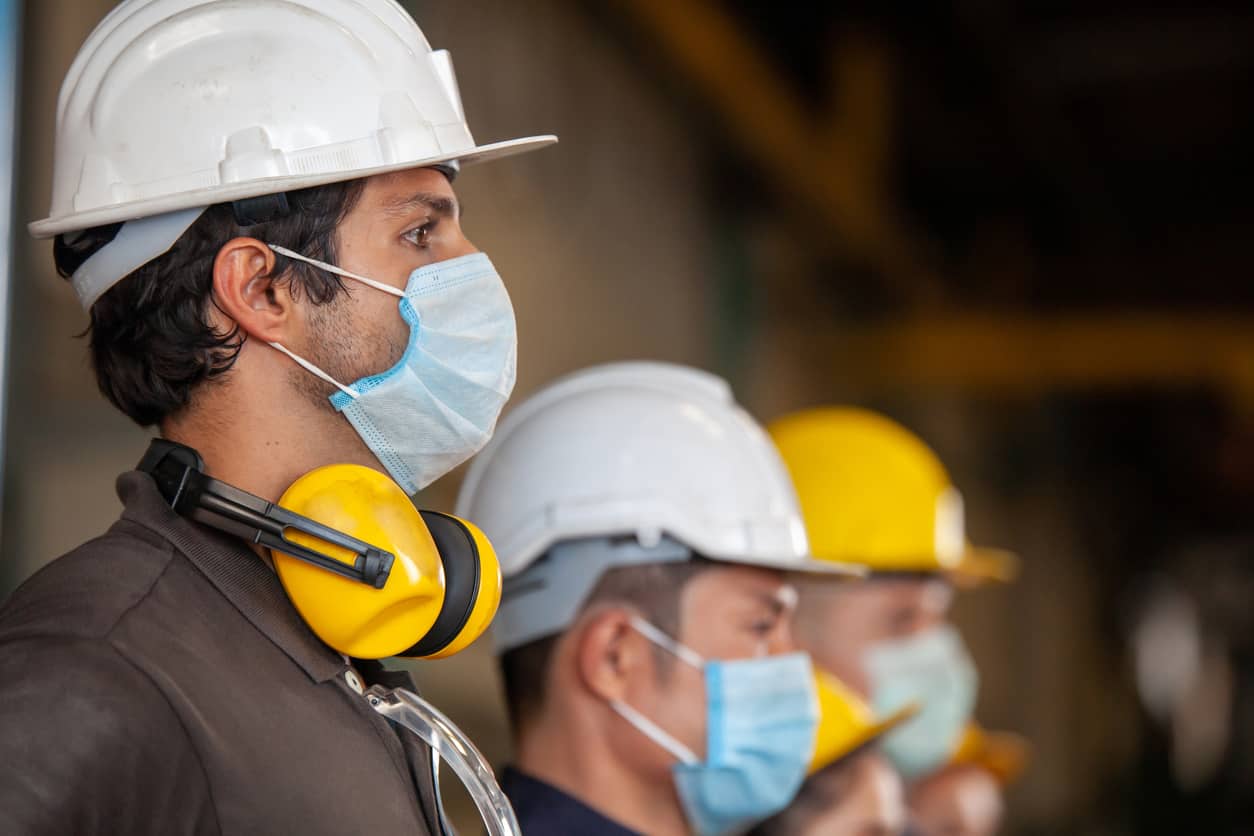
Two Ohio Family Dollar stores are each facing over $500,000 in fines, according to a Monday Department of Labor press release. OSHA discovered multiple violations, including fire safety hazards, blocked exits, unsafe walking surfaces, dangerously stacked merchandise and obstructed electrical panels. Assistant OSHA secretary Doug Parker indicated that these violations are found “[t]ime and time again” at store owned by Dollar Tree, Inc., which includes Family Dollar. Stores owned by Dollar Tree, Inc. have collected over 300 OSHA violations since 2017, according to OSHA. The two Ohio stores were investigated after employees complained about dangerous working conditions. Dollar store workers are some of the lowest paid in the country, and are often intentionally located in communities with low economic opportunities.
Over 115,000 railroad workers in the United States may be gearing up for a national strike soon, according to In These Times. Railroad workers have been fighting for over two years for a new contract without success; meanwhile, understaffing and chaotic hours have created a “crisis” for rail workers. “[W]e work on-call, 365 days a year, 70 to 90 hours a week on-duty, not including off-duty time at a hotel away from home,” a member of the Brotherhood of Locomotive Engineers and Trainmen told In These Times. Talks of a rail strike have been simmering for months, with 99.5% of BLET members voting in favor of a strike. Earlier this summer, President Biden stepped in to appoint a Presidential Emergency Board in an attempt to stave off the strike and reach a resolution, with recommendations expected in mid-August. More Perfect Union released this short twitter video discussing the background of the dispute and the potential implications if a strike was called.
Washington Post labor reporter Lauren Gurley interviewed Government workers across the country for an article released Monday. In short, inflation has hit Government workers especially hard, with wage gains over the last year for state and local workers lagging behind private sector counterparts, and paltry pay is leaving many unable to pay the bills. Worsening economic conditions has led to more public sector workers looking for work elsewhere, exacerbating public-sector understaffing. Meanwhile, Jordan Chariton of Status Coup News has engaged in an inflation tour of the US this summer, interviewing working people about how the economy is affecting them.





Daily News & Commentary
Start your day with our roundup of the latest labor developments. See all
October 21
DOL withdraws tipped-worker rule; Instacart settles hiring-bias claims; Phillips 66 locks out New Jersey refinery workers.
October 20
Korean unions oppose labor exemption bill; Portland city workers prepare for strike; UPenn grad student union looks to dismiss university filing
October 19
FDA reverses course on policy prohibiting off-duty union activity; FAA and NATCA reach deal to secure pay increase for air traffic controllers.
October 18
Federal judge again halts cancellation of the Bureau of Prisons’ CBA; tabletop gaming workers face roadblocks in union recognition.
October 16
Department of Labor reduces wage-and-hour enforcement at unionized workplaces; Fain's victory poses question of federal monitor's extension.
October 15
New reporting examines the rollback of child labor protections; California tries to block a strike; NLRB charges Wisconsin mental health provider with firing workers during union drive.