

Edward Nasser is a student at Harvard Law School.
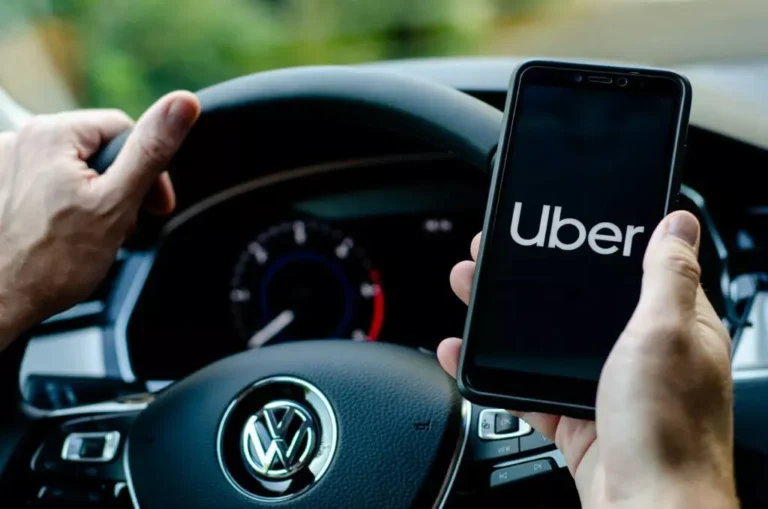
Google’s self-driving car program, Waymo, finds itself in an intense legal battle with Uber. Seven weeks ago, Waymo sued the ride sharing company stealing trade secrets, according to the Wall Street Journal. At the center of the battle is Anthony Levandowski, a former executive with Waymo who Google accuses of developing a competing self driving car company during his time with the company that was eventually acquired by Uber. Mr. Levandowski faces two arbitration lawsuits personally, and Uber faces a claim in federal court.
The Department of Justice issued a warning on Tuesday that it would investigate and prosecute companies who abuse the H-1B visa program, according to the New York Times. White House Press Secretary Sean Spicer addressed the issue this morning, saying the administration will crack down on companies that put qualified U.S. workers at a disadvantage by using the visa program to hire foreigners.
Facebook is now requiring outside law firms representing the company in legal matters meet certain diversity goals, according to the New York Times. A new company policy mandates that women and minorities account for 33 percent of law firm teams working for the company. Further, the firms must show that they “actively identify and create clear and measurable leadership opportunities for women and minorities.” Failure to comply would result in a 10 percent “diversity holdback” of fees. HP made a similar announcement in February, and spokespeople for MetLife say the company will adopt its own diversity mandate this month.
Epicenter, a Swedish company, has started offering microchip implants to workers to function as key cards, reports the Los Angeles Times. The CEO, who has an implant himself, touts the convenience of the new technology. For other workers, privacy issues must be discussed and resolved before they will buy in. One worry is that the kind of data that could be collected by such a microchip is much more personal than even what can be gleaned from a smartphone.


Daily News & Commentary
Start your day with our roundup of the latest labor developments. See all
January 18
Met Museum workers unionize; a new report reveals a $0.76 average tip for gig workers in NYC; and U.S. workers receive the smallest share of capital since 1947.
January 16
The NLRB publishes its first decision since regaining a quorum; Minneapolis labor unions call for a general strike in response to the ICE killing of Renee Good; federal workers rally in DC to show support for the Protecting America’s Workforce Act.
January 15
New investigation into the Secretary of Labor; New Jersey bill to protect child content creators; NIOSH reinstates hundreds of employees.
January 14
The Supreme Court will not review its opt-in test in ADEA cases in an age discrimination and federal wage law violation case; the Fifth Circuit rules that a jury will determine whether Enterprise Products unfairly terminated a Black truck driver; and an employee at Berry Global Inc. will receive a trial after being fired for requesting medical leave for a disability-related injury.
January 13
15,000 New York City nurses go on strike; First Circuit rules against ferry employees challenging a COVID-19 vaccine mandate; New York lawmakers propose amendments to Trapped at Work Act.
January 12
Changes to EEOC voting procedures; workers tell SCOTUS to pass on collective action cases; Mamdani's plans for NYC wages.