
John Fry is a student at Harvard Law School.
In today’s news and commentary, General Counsel Abruzzo takes aim at noncompete and “stay-or-pay” agreements; Boeing and its workers’ union resume West Coast talks amid South Carolina organizing; and Stellantis sues to prevent a UAW strike in California.
NLRB General Counsel Jennifer Abruzzo released a memorandum yesterday outlining her plans to curtail employers’ use of noncompete and “stay-or-pay” agreements with workers. The memo elaborates on a theory that Abruzzo articulated in a memo last May and takes aim at what Abruzzo called “coercive restrictors of employee mobility, which is not a legitimate business interest.” It also directs the NLRB’s regional offices to seek compensation for employees affected by these agreements, if the latter are structured unlawfully: among other things, employees who can show that they lost a more lucrative job opportunity because of an unlawful noncompete are to be compensated by their employer for the lost wage differential. Regarding stay-or-pay agreements, Abruzzo’s memo explains that the key inquiry is whether an agreement is truly voluntary, e.g. signed in exchange for optional skills training provided by the employer.
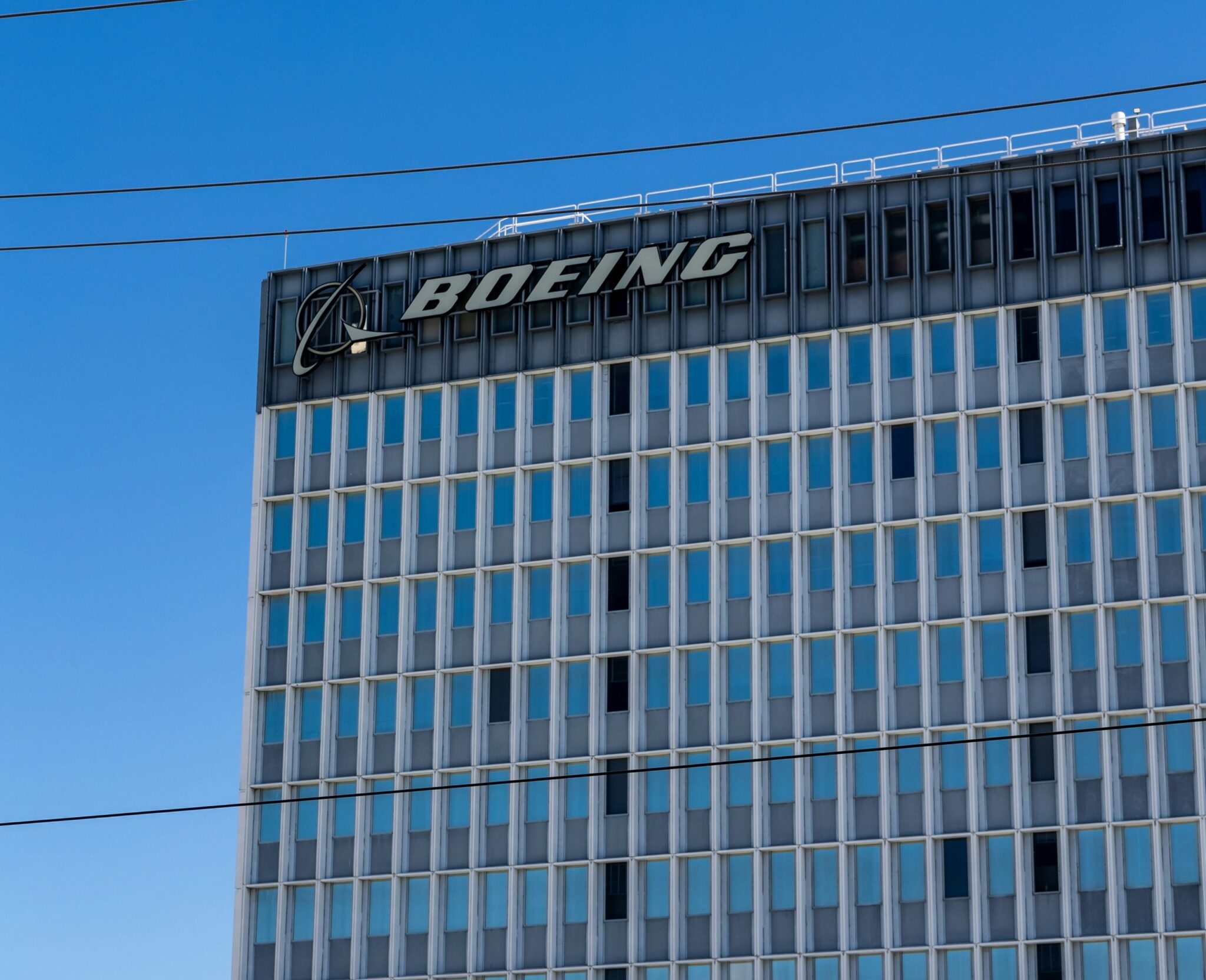
Boeing resumed talks with its striking workers on the West Coast yesterday, two weeks after the company attempted to deliver an ultimatum. Boeing is reportedly losing up to $100 million per day due to the strike, while some striking workers have lost their access to employer healthcare. The strikers are reiterating their demand for wage increases of 40% over four years, while the highest Boeing has offered is 30%. Despite the potential progress in bargaining, Boeing has also launched union “education sessions” at its South Carolina manufacturing hub. According to an internal Boeing memo obtained by the press, the voluntary meetings are meant to address “questions and concerns” from workers at the plant related to ongoing union organizing efforts there. Boeing’s decision to build the South Carolina plant at all was widely regarded as an attempt to shift company operations away from the union-friendly environment in Washington.
Automaker Stellantis has filed a federal lawsuit attempting to prevent the United Auto Workers from striking a parts distribution center in California. As Sunah and Everest have reported, UAW claims that Stellantis is reneging on its contractual promise to reopen a shuttered plant in Illinois, while Stellantis claims that its CBA with UAW allows it to delay the investment due to changing market conditions. In this case, Stellantis argues that “the transition to electrification is happening at a slower pace than expected,” causing it to change its plans. Stellantis’s suit alleging an impending breach of UAW’s no-strike obligation follows the announcement that a large majority of workers at the parts plant have voted to authorize a strike.



Daily News & Commentary
Start your day with our roundup of the latest labor developments. See all
October 5
Delaware bans captive audience meetings; EEOC settles remote work national origin discrimination claim; First Circuit stays enforcement order in VA's dispute with AFGE.
October 4
Boston nurses announce open-ended strike; federal judge restores federal prison workers' union protections; St. Louis workers form the first movie theater union in Missouri.
October 2
Gov. Newsom signs bill regulating AI in workplace; federal judge blocks Trump's $100,000 H-1B visa fee.
October 1
Senate confirms Keith Sonderling as Labor Secretary; Amazon warehouse workers launch an unfair labor practice strike.
September 30
Harvard grad union wins in First Circuit; AI data trainers initiate misclassification suits; Trader Joe’s found liable under ERISA.
September 29
Unions, AI companies, and private equity firms form a new coalition to shape data center policies; unions express support for the Paramount-Warner Bros. merger.