Gilbert Placeres is a student at Harvard Law School.
In today’s News & Commentary, Swedish unions take on Tesla, Starbucks and the NLRB litigate make-whole remedies, and workers at Waffle House organize for better better pay and conditions.
52 Tesla mechanics have been on strike in Sweden for over a year now, the first and only strike against Tesla anywhere in the world. Industrial union IF Metall has been demanding better wages, benefits, and conditions for mechanics in Tesla repair shops across the country. Elon Musk and Tesla, on the other hand, have refused to recognize the Swedish labor market’s model of collective bargaining and brought in strikebreakers from various other European countries. This is legal under Swedish law but anathema to the unwritten rules and norms that are part of Nordic models of worker protection. In Sweden, 90% of the workforce is covered by a collective agreement, a model Tesla does not seem willing to adapt to. The current battle in Sweden is representative of similar struggles between unions and Tesla in Germany, the US, and elsewhere.
This week, Starbucks continued to challenge the National Labor Relation Board’s make-whole remedies, in a case concerning the firing of an employee who helped start unionization campaigns at various Michigan locations. The company argued before the US Court of Appeals for the Sixth Circuit that the NLRB should not be able to order monetary compensation for “all direct or foreseeable pecuniary harms” that are a consequence’s of an employer’s unfair labor practices, taking aim at the 2022 Thryv Inc. ruling. The panel of judges seemed split, with one suggesting such remedies have a long history and another seemingly viewing it as a reinterpretation of the National Labor Relations Act.
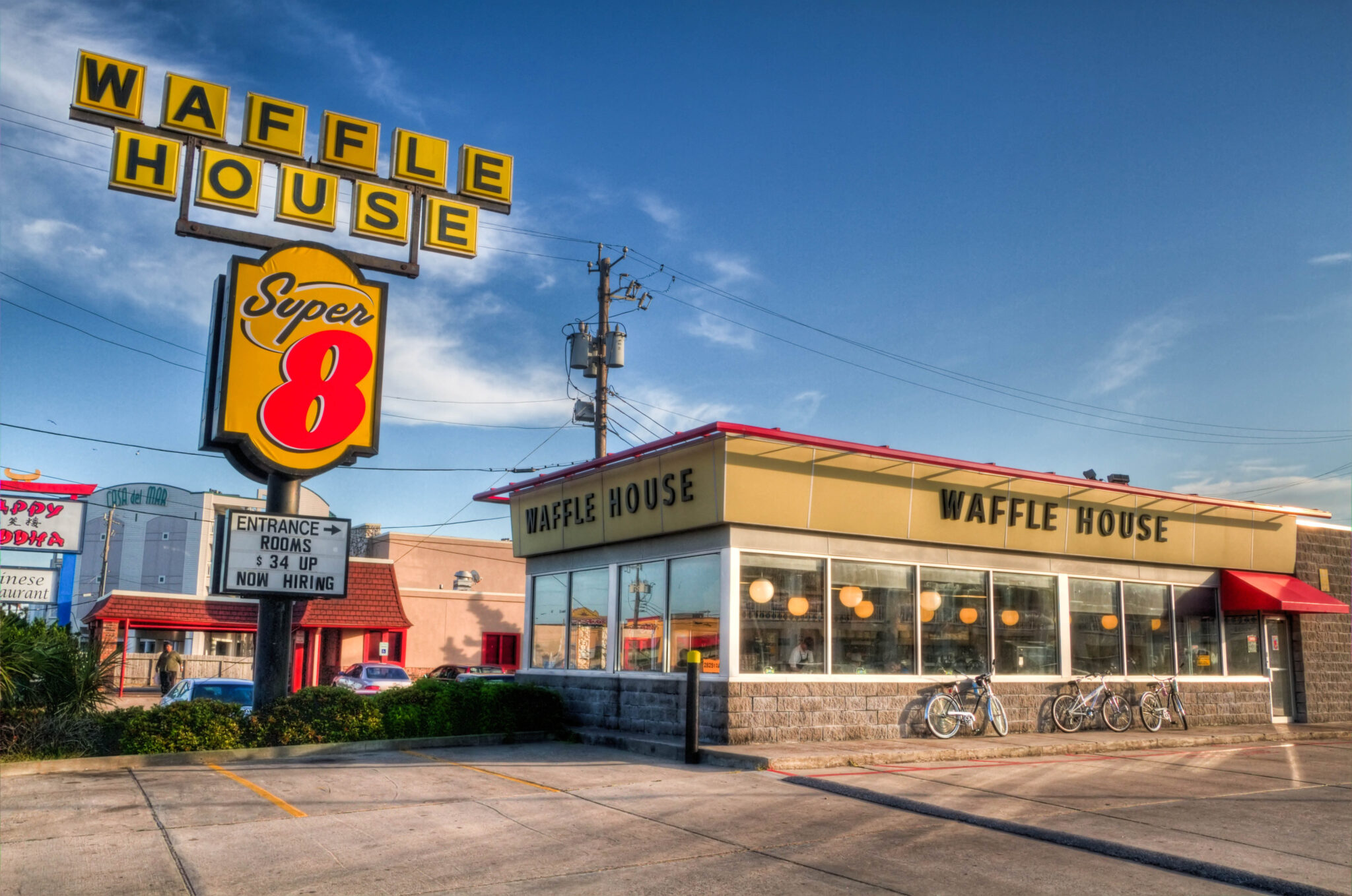
Workers at Waffle House, the iconic Southern diner, who’s base pay can be as low as three dollars per hour have been organizing for better wages with the Union of Southern Service Workers. In addition to a $25 minimum wage, workers have asked for a more expanded meal deduction menu and for the company to provide 24/7 security at its restaurant. Late on weekends, patrons often come in inebriated, which can lead to disorderly or violent conduct. As one employee said, “Waffle House is not for the weak at all. They will eat you up and spit you out if you let them. … People and alcohol don’t mix. They come in belligerent, they come in irate, they come in just being disrespectful, and they feel like it’s owed to them. We’re supposed to just take it, and it’s unacceptable.” In May, Waffle House CEO Joe Rogers III announced the “single largest additional investment in our workforce” by raising base pay to three dollars per hour, a direct result of organizing with the USSW, though workers hope to win more.





Daily News & Commentary
Start your day with our roundup of the latest labor developments. See all
September 28
The Protect College Sports Act nears passage in the Senate; San Francisco municipal workers agree to contract extensions.
September 27
The Trump Administration reaches a settlement with federal unions on reduction in force actions; the United Auto Workers file an en banc petition seeking review of a Second Circuit decision regarding labor arbitrations.
September 25
Healthcare workers rally to restore legal status for TPS holders; nurses at a Maine hospital overwhelmingly vote to form their union despite alleged aggressive union busting tactics.
September 24
NLRB abandons rule for offensive conduct during protected activity; New York home care workers seek a union election; maritime deck officers endure long fight for first contracts.
September 23
DoorDash settles delivery-worker pay claims; Philadelphia school workers win new contract; stock gains spur retirements.
September 22
Judge blocks ICE raids in Alabama; Chicago hotel workers vote to strike; AutoZone workers look to create first union