
In today’s news and commentary, service workers at Charlotte Douglas International Airport go on strike, the NLRB rules that Google is a joint employer of a group of unionized contract workers, and farm industry groups petition President-elect Trump to spare their workers from deportation.
Last Friday, service workers at Charlotte Douglas International Airport voted to go on a 24-hour strike. The strike, which includes airline escorts, cabin cleaners, and other essential airport workers, commenced this morning. Workers are demanding an end to poverty wages and protections and respect on the job during the holiday travel season. The workers, represented by Service Employees International Union (SEIU), earn as little as $12.50 per hour – which is not considered a livable wage for a single person without children in Charlotte. Airport officials predict that this week will be the busiest on record, with nearly 1.02 million passengers departing Charlotte between last Thursday and the Monday after Thanksgiving. ABM and Prospect Airport Services announced they would take steps to minimize disruptions.
In a 2-1 ruling last Friday, the NLRB held that Google is a joint employer of a group of contract staffers. The staffers, directly employed by Accenture, voted 26-2 to join the Alphabet Workers Union last November. Last week’s ruling bolsters the position that Google is obligated to negotiate with the Union. The company is already fighting to overturn another NLRB ruling obligating the to negotiate with a union representing YouTube contract staff. These rulings rely on a finding that Google has enough control over the workers and their duties to require the company to share responsibilities under federal labor law.
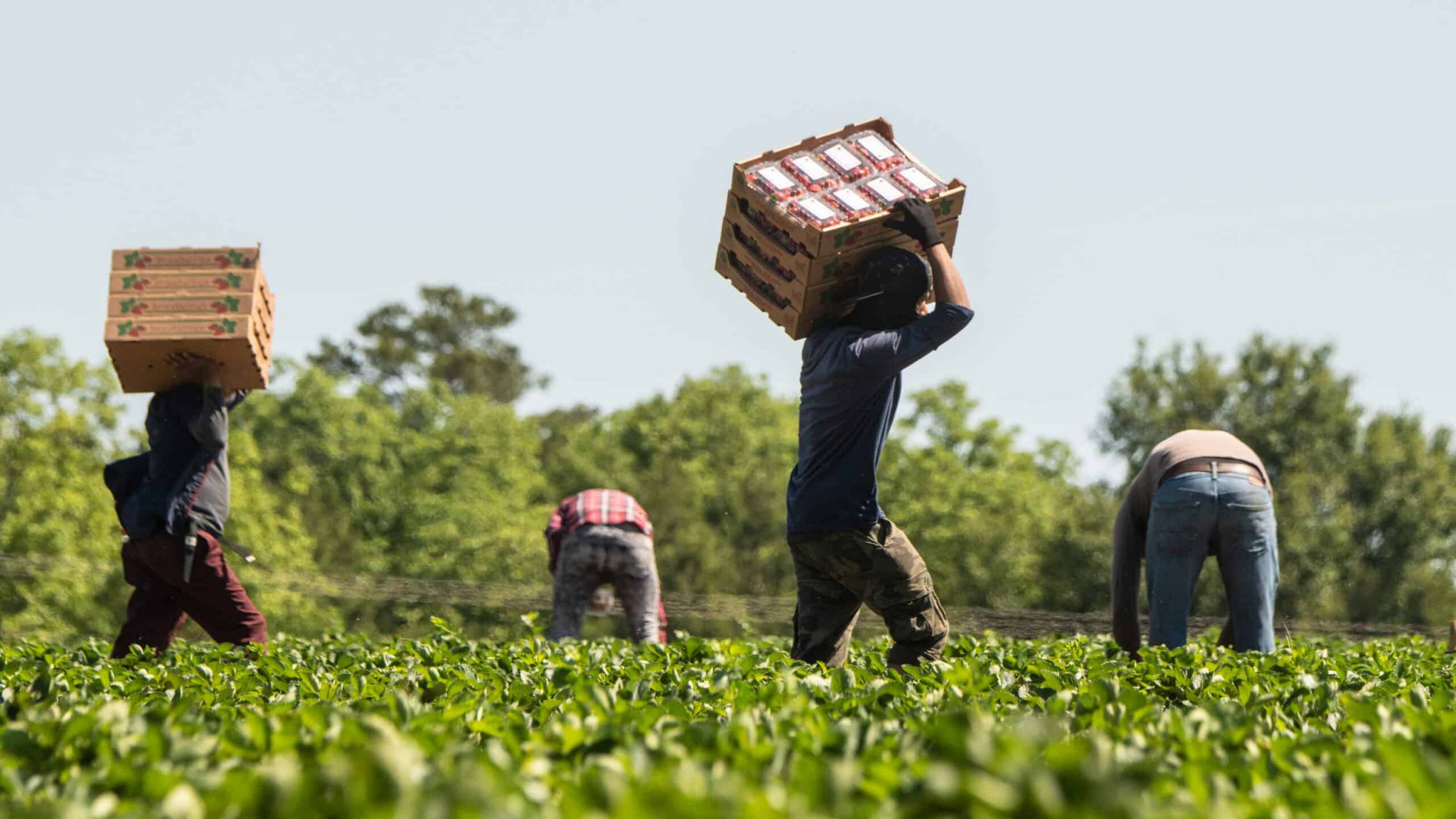
Farm industry groups are preparing for the mass deportations President-elect Trump promised on the campaign trail. The groups are lobbying the incoming administration to commit to exempting their workers. According to the departments of Labor and Agriculture, approximately 1 million farmworkers, including dairy and meatpacking workers, lack legal status. This is about half of all farmworkers in the United States. The first Trump administration promised not to target food system workers, but went on to conduct raids at poultry and produce packing facilities. In California, where half the produce consumed in the US is grown, farmers overwhelmingly supported Trump’s candidacy. Many say they expect the incoming administration to support their workforce through expansion of legalization programs, streamlining the H-2A temporary guest visas, or simply focusing enforcement elsewhere. A spokesperson for the transition team made no indications that this would be the strategy, instead reiterating the promise to “deport migrant criminals and restore our economic greatness.” Agriculture and related industries contribute about $1.5 trillion – or 5.6%- to US GDP.




Daily News & Commentary
Start your day with our roundup of the latest labor developments. See all
October 23
Employers increasingly shift health care costs onto workers and NYC proposes placing restrictions on fully automated customer service.
October 22
SCOTUS declines Wilcox appeal; Penn State research assistants win bargaining rights; SEIU sued over military leave firing.
October 21
DOL withdraws tipped-worker rule; Instacart settles hiring-bias claims; Phillips 66 locks out New Jersey refinery workers.
October 20
Korean unions oppose labor exemption bill; Portland city workers prepare for strike; UPenn grad student union looks to dismiss university filing
October 19
FDA reverses course on policy prohibiting off-duty union activity; FAA and NATCA reach deal to secure pay increase for air traffic controllers.
October 18
Federal judge again halts cancellation of the Bureau of Prisons’ CBA; tabletop gaming workers face roadblocks in union recognition.