
Travis Lavenski is a student at Harvard Law School.
In Today’s News & Commentary: Starbucks shuts down the first store in Seattle to unionize; and the nation’s largest rail union rejects labor deal.
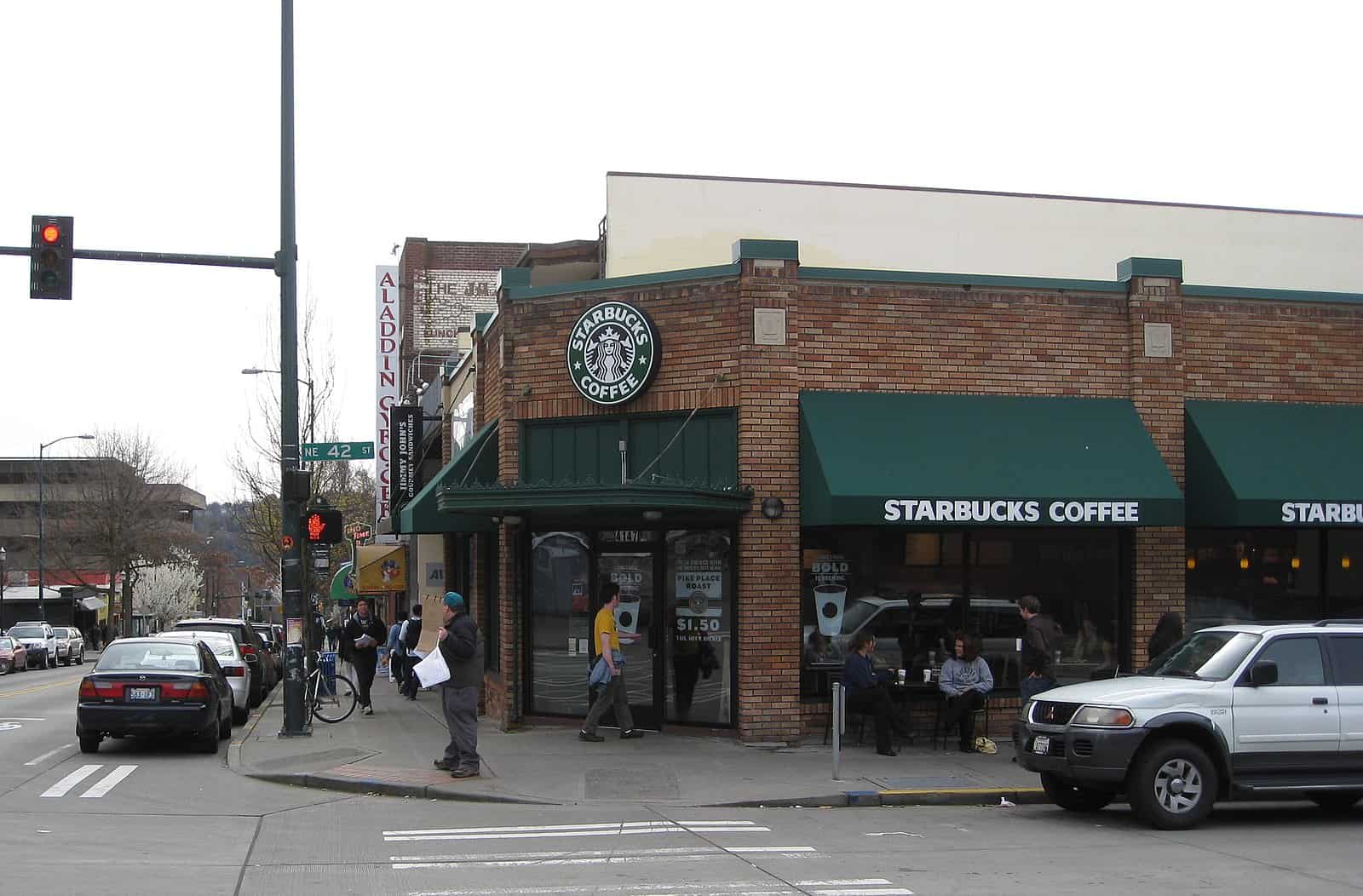
In Starbucks news, allegations of the coffee chain’s union-busting continue as the chain shuts down another unionized store in Seattle. The store, located at Broadway and Denny in Capitol Hill, is the fourth unionized store in Seattle to shut down since the union push began. Starbucks has cited “safety and security concerns” as the reason for the closure. Starbucks Workers United, the union that represents Starbucks workers, called the move “unacceptable” and “the most clear-cut case of retaliation this company has shown closing a union store yet” on Twitter, noting that the store is set to close on the anniversary of the first union victory in Buffalo last winter. The more than 260 unionized Starbucks stores still remain without a contract.
Members of SMART-TD, the nation’s largest rail union representing more than 37,000 workers, narrowly rejected a proposed labor deal on Monday, raising the likelihood of a national pre-Christmas rail strike. The BLET, another large rail union representing nearly 24,000 workers, voted to approve the deal. As it currently stands, 4 rail unions have rejected the proposed labor deal, while 7 rail unions have approved. A strike may nevertheless occur if just one union does not come to approve of the deal. Some experts have indicated that a looming strike before Christmas might pressure Congress into forcing unions to accept a deal; Republicans in the Senate already drafted a resolution earlier this term that would have forced unions to agree to the Presidential Emergency Board recommendations. The exclusion of paid sick days in the proposed deal has been a major source of pushback from rail workers, as this video from More Perfect Union explains.




Daily News & Commentary
Start your day with our roundup of the latest labor developments. See all
September 15
Documents reveal the inner workings of Amazon's union avoidance program; Washington state public sector unions reach tentative deals amid a difficult bargaining cycle; hundreds of Nevada Culinary Union members protest their union's health care changes.
September 14
NCAA and Big Ten file motion to dismiss in former star player's NIL suit; Seventh Circuit rules against former postal worker in discrimination suit.
September 13
Documents released on the 25th anniversary of the 9/11 attacks show that city officials encouraged workers to return to Ground Zero despite knowing the risks of asbestos exposure, and new polls demonstrate continued widespread support for labor unions.
September 10
Amazon workers allege pregnancy discrimination; federal unions challenge USDA reorganization; NYC warns of silicosis risks.
September 9
Wynn Las Vegas employees allege anti-union retaliation; Amazon faces a class action over pregnancy accommodations; H-1B demand plunges following a six-figure visa fee.
September 8
In today’s News and Commentary, workers and unions across America celebrate Labor Day, California’s SEIU Local 1000 prepares for a strike authorization vote, and New York City creates the Office of Worker Power. On Monday, labor unions and workers gathered in cities across the United States in celebration of Labor Day. Parades and rallies took […]