
Liana Wang is a student at Harvard Law School.
In today’s news and commentary, Boeing workers in St. Louis end a 102-day strike, unionized Starbucks baristas launch a new strike, and Illinois seeks to expand protections for immigrant workers.
In St. Louis, Boeing factory workers voted on Thursday to approve a new five-year contract, ending the second-longest strike in Boeing’s history. The 3,200 workers on strike had previously rejected four offers from Boeing, seeking better pay raises and retirement benefits. As Finlay previously covered, both Democrats and Republicans had put pressure on Boeing to offer a fair contract, especially after Boeing hired permanent replacement workers. The resulting contract includes a 24% general wage increase, more vacation and sick leave, increased potential for overtime pay, and a $6,000 signing bonus, although worker demands for a stronger 401(k) match and bigger wage increases for longtime workers were rebuffed. All striking workers will be returning to work later today.
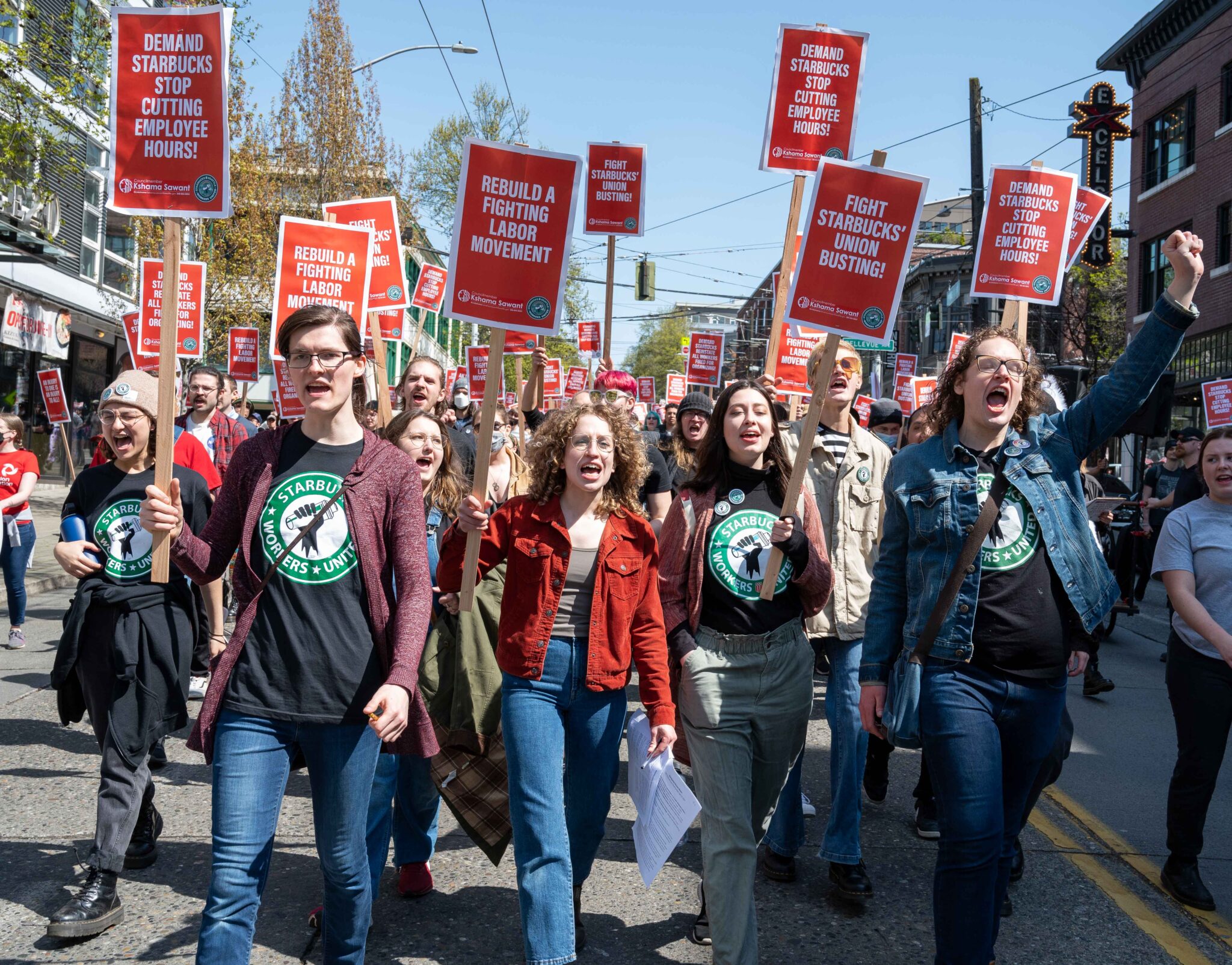
Also on Thursday, Starbucks Workers United launched a strike at 65 stores across the country. The striking workers have called it a “Red Cup Rebellion,” as the strike was timed to coincide with Starbucks Red Cup Day, an annual promotion of the company’s holiday drinks. The workers are seeking better staffing, higher pay, and resolution of hundreds of unfair labor practice charges. As Ajayan noted, SWU has authorized an open-ended strike. On social media, SWU wrote that they are “prepared for this to become the biggest and longest ULP strike in Starbucks history” and asked customers to boycott Starbucks during the strike. Both the mayor-elects of New York City and Seattle have voiced support for the strikers, and over one hundred Senators and House Representatives have urged Starbucks to “stop its illegal union-busting campaign and negotiate a fair contract.”
Meanwhile, the Illinois General Assembly has passed SB 2339, a new bill that would expand protections under the state’s Right to Privacy in the Workplace Act, which was previously signed into law in 2024 and took effect in January 2025. SB 2339 seeks to safeguard the rights of immigrant workers in response to heightened federal immigration enforcement. For example, employers notified about a mismatch in an employee’s taxpayer identification number or other documents cannot suspend or terminate them solely based on this notice, and employers cannot require tougher authorization or re-verification requirements than the federal E-Verify system. Labor unions and non-profits also have standing to enforce the law as “interested parties.” In August 2025, a federal judge ruled against the Trump administration when it argued that the Right to Privacy in the Workplace Act was preempted by federal law. Instead, the judge noted that Illinois was simply exercising the “historic powers of the states over employment-related issues.” The changes are now before Gov. JB Pritzker and would take effect once signed.



Daily News & Commentary
Start your day with our roundup of the latest labor developments. See all
January 20
In today’s news and commentary, SEIU advocates for a wealth tax, the DOL gets a budget increase, and the NLRB struggles with its workforce. The SEIU United Healthcare Workers West is advancing a California ballot initiative to impose a one-time 5% tax on personal wealth above $1 billion, aiming to raise funds for the state’s […]
January 19
Department of Education pauses wage garnishment; Valero Energy announces layoffs; Labor Department wins back wages for healthcare workers.
January 18
Met Museum workers unionize; a new report reveals a $0.76 average tip for gig workers in NYC; and U.S. workers receive the smallest share of capital since 1947.
January 16
The NLRB publishes its first decision since regaining a quorum; Minneapolis labor unions call for a general strike in response to the ICE killing of Renee Good; federal workers rally in DC to show support for the Protecting America’s Workforce Act.
January 15
New investigation into the Secretary of Labor; New Jersey bill to protect child content creators; NIOSH reinstates hundreds of employees.
January 14
The Supreme Court will not review its opt-in test in ADEA cases in an age discrimination and federal wage law violation case; the Fifth Circuit rules that a jury will determine whether Enterprise Products unfairly terminated a Black truck driver; and an employee at Berry Global Inc. will receive a trial after being fired for requesting medical leave for a disability-related injury.