
Mackenzie Bouverat is a student at Harvard Law School.
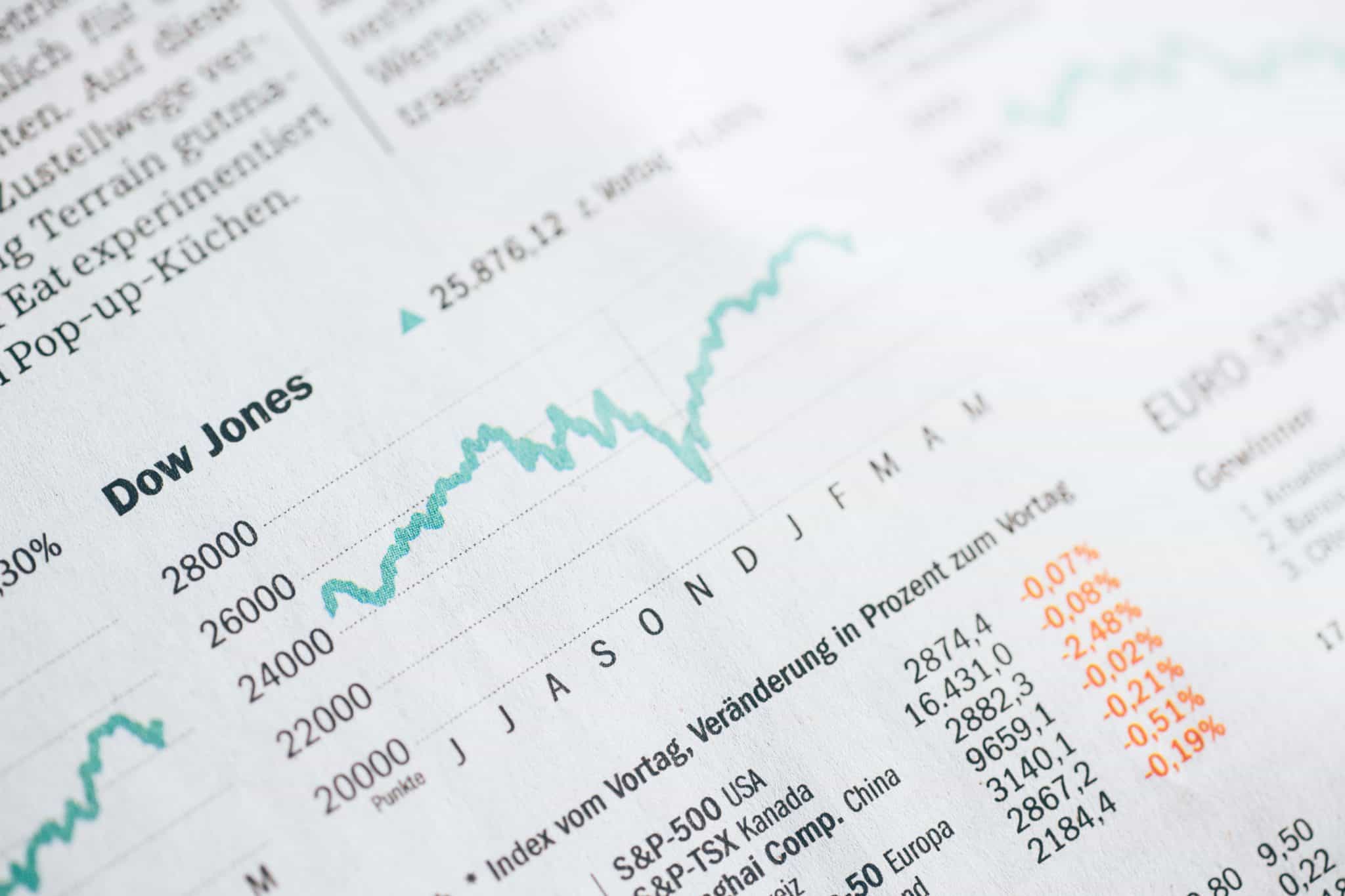
In its monthly jobs report released on Friday, the Bureau of Labor Statistics (BLS) reported that the US unemployment rate has fallen to 13.3% in May. President Trump celebrated the news on Twitter, lauding the increased employment as an “amazing,” “stupendous,” and “incredible” accomplishment on his own part. However, BLS later admitted to mistakenly misclassifying some workers as “employed not at work,” when they should have been classified as “unemployed on temporary layoff.” May’s unemployment rate was, in fact, around 16.3 percent. Seth Harris, who served as acting Labor Secretary under President Obama, warns against concluding that the misclassification was intended to disguise a dreary economic outlook: “I don’t think the folks at BLS are trying to cook the books or make President Trump look good. They’re career professionals. They take their craft very seriously. They’re trying to do the best they possibly can in a very complicated situation.”
Across the country, workers are refusing to return to work as their states lift coronavirus-related restrictions on commerce. As if losing unemployment benefits was not incentive enough, the Trump Administration has publicly contemplated offering small return-to-work bonuses. Perhaps taking its cues from the White House, Idaho is offering back-to-work bonuses of $1,500 for full-time workers and $750 for part-tie workers. “We’re putting this out as bait to keep the economy going,” Little explained.
As Rund reported last Friday, organized labor seems today plagued with fractious infighting concerning police unions. Whereas the two largest police unions or union coalitions in the United States–the Fraternal Order of Police (FOP) and the National Association of Police Organizations (NAPO)–are not formally affiliated with ‘organized labor,‘ a significant portion of the unionized police force is affiliated with the AFL-CIO. In the light of widespread protests against racist police brutality, AFL-CIO faces significant pressure from within and without organized labor’s cadres to disaffiliate with police union; Carmen Berkley–the AFL-CIO’s former civil rights department director–is among those calling for disaffiliation. New Republic‘s Kim Kelly argues that major unions’ affiliation with police contradicts the broader aspirations of the labor union: protecting the welfare of ” low-wage, service-sector communities of color who are disproportionately abused and harassed by police.” Yet, as This is Reno‘s Alexia Fernández Campbell points out, most national unions remain conspicuously silent on the issue.




Daily News & Commentary
Start your day with our roundup of the latest labor developments. See all
October 9
DHS proposes a $100k fee for the foreign grad employment program; Trump suspends tech company access to green card program; and private equity perpetuates poor working conditions for home care workers.
October 8
NLRB judge finds UPS unlawfully restricted union insignia; Harvard graduate workers authorize second strike; OSHA orders Union Pacific to pay $300,000 in damages in whistleblower case.
October 7
DOL scraps plan to remove decades-old wage-and-hour guidance from federal regulations; New York enacts personnel records access law; Starbucks loses bid to dismiss Workers United trademark suit.
October 6
Protect College Sports Act dampens athlete unionization outlook; Stanford RA union decides to withdraw petition
October 5
Delaware bans captive audience meetings; EEOC settles remote work national origin discrimination claim; First Circuit stays enforcement order in VA's dispute with AFGE.
October 4
Boston nurses announce open-ended strike; federal judge restores federal prison workers' union protections; St. Louis workers form the first movie theater union in Missouri.