
Henry Green is a student at Harvard Law School.
In today’s News and Commentary, Republican senators challenge a proposed OSHA rule on heat, OpenAI and the Building Trades announce a partnership around data centers, and the Trump administration launches an investigation into forced labor that could lead to “more durable” tariffs.
Several Senate Republicans are calling on the Department of Labor to overhaul an OSHA standard on heat proposed during the Biden administration, Politico Pro reports. The Biden DOL first proposed the rule in 2021 and has since received more than 47,000 comments, according to Bloomberg. Under the proposal, employers would be required to provide water, shaded rest areas, and periodic rest breaks when the heat index reaches 80 degrees, and would need to take additional measures in 90 degree heat. In a letter to Labor Secretary Lori Chavez-Deremer, the Senators argue the rule is overly complicated and inflexible. Bloomberg notes that OSHA could face challenges under the “logical outgrowth” doctrine if it sharply changes the rule from what was initially proposed.
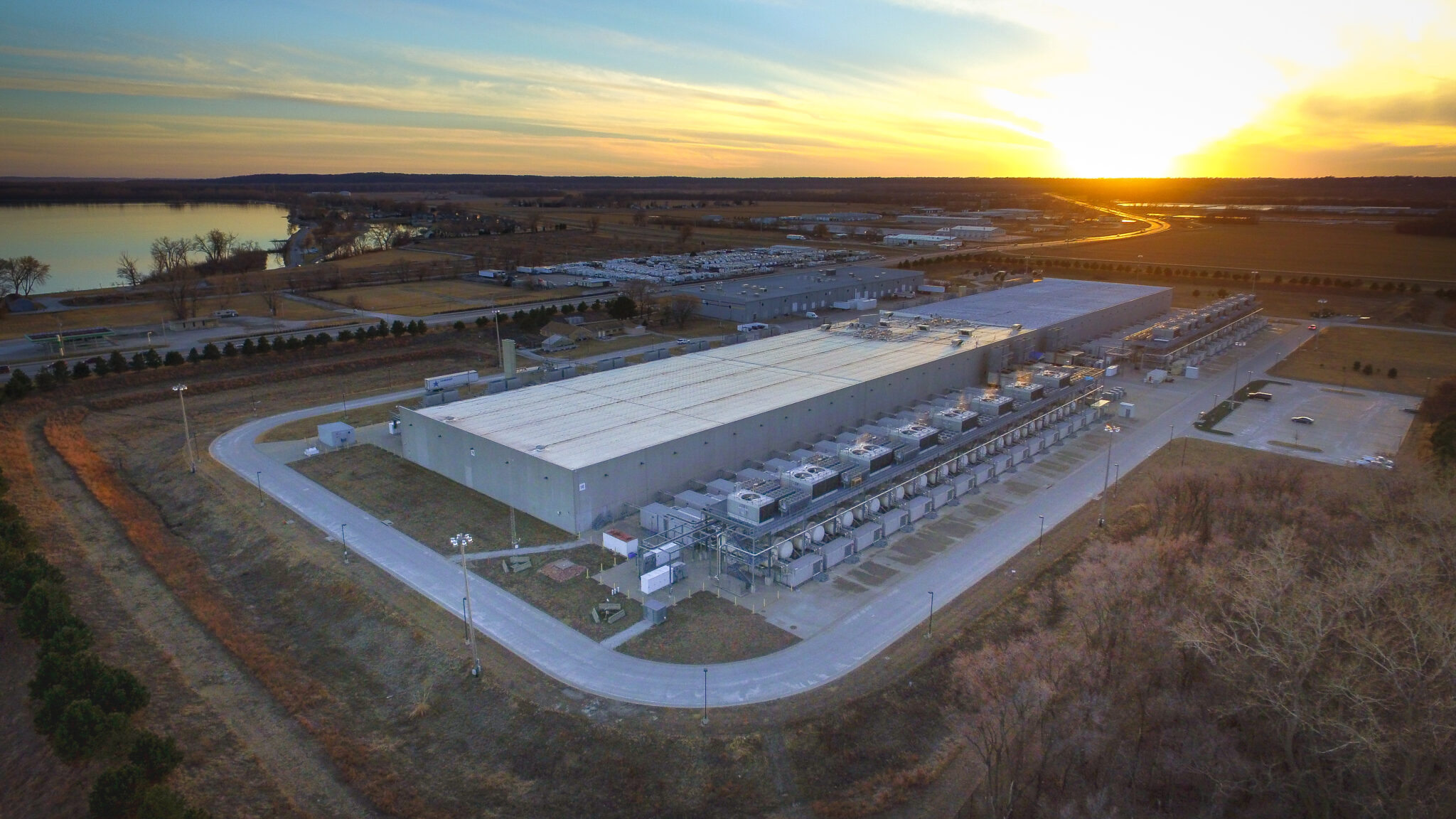
OpenAI and North America’s Building Trades Unions (NABTU) announced a partnership related to data center construction, Axios reports. OpenAI has committed to spend $1.5 million over five years to support NABTU’s training and recruitment programs, per the article. Fortune reports that Sam Altman discussed the partnership at an infrastructure conference this week, noting the need for skilled construction workers to build out the infrastructure that supports AI. In a press release, NABTU said they and OpenAI would “seek to foster constructive engagement around policy development, project entitlement, workforce development, labor standards, project safety, and the responsible expansion of infrastructure associated with artificial intelligence technologies.”
The New York Times reports that the Trump administration has initiated an investigation into the trade policies of some 60 countries regarding goods made with forced labor. Per the article, the investigations could provide a path to maintain the administration’s system of tariffs after the Supreme Court struck down the tariffs last month. The investigations are being carried out pursuant to Section 301 of the Trade Act of 1974, which allows the US to impose tariffs to counter unfair trade practices. Section 301 would allow the administration to enact “more durable” tariffs than other measures Trump used immediately after the Supreme Court decision, but requires an investigation and hearings before tariffs are imposed.



Daily News & Commentary
Start your day with our roundup of the latest labor developments. See all
March 13
Republican Senators urge changes on OSHA heat standard; OpenAI and building trades announce partnership on data center construction; forced labor investigations could lead to new tariffs
March 12
EPA terminates contract with second-largest union; Florida advances bill restricting public sector unions; Trump administration seeks Supreme Court assistance in TPS termination.
March 11
The partial government shutdown results in TSA agents losing their first full paycheck; the Fifth Circuit upholds the certification of a class of former United Airline workers who were placed on unpaid leave for declining to receive the COVID-19 vaccine for religious reasons during the pandemic; and an academic group files a lawsuit against the State Department over a policy that revokes and denies visas to noncitizens for their work in fact-checking and content moderation.
March 10
Court rules Kari Lake unlawfully led USAGM, voiding mass layoffs; Florida Senate passes bill tightening union recertification rules; Fifth Circuit revives whistleblower suit against Lockheed Martin.
March 9
6th Circuit rejects Cemex, Board may overrule precedents with two members.
March 8
In today’s news and commentary, a weak jobs report, the NIH decides it will no longer recognize a research fellows’ union, and WNBA contract talks continue to stall as season approaches. On Friday, the Labor Department reported that employers cut 92,000 jobs in February while the unemployment rate rose slightly to 4.4 percent. A loss […]