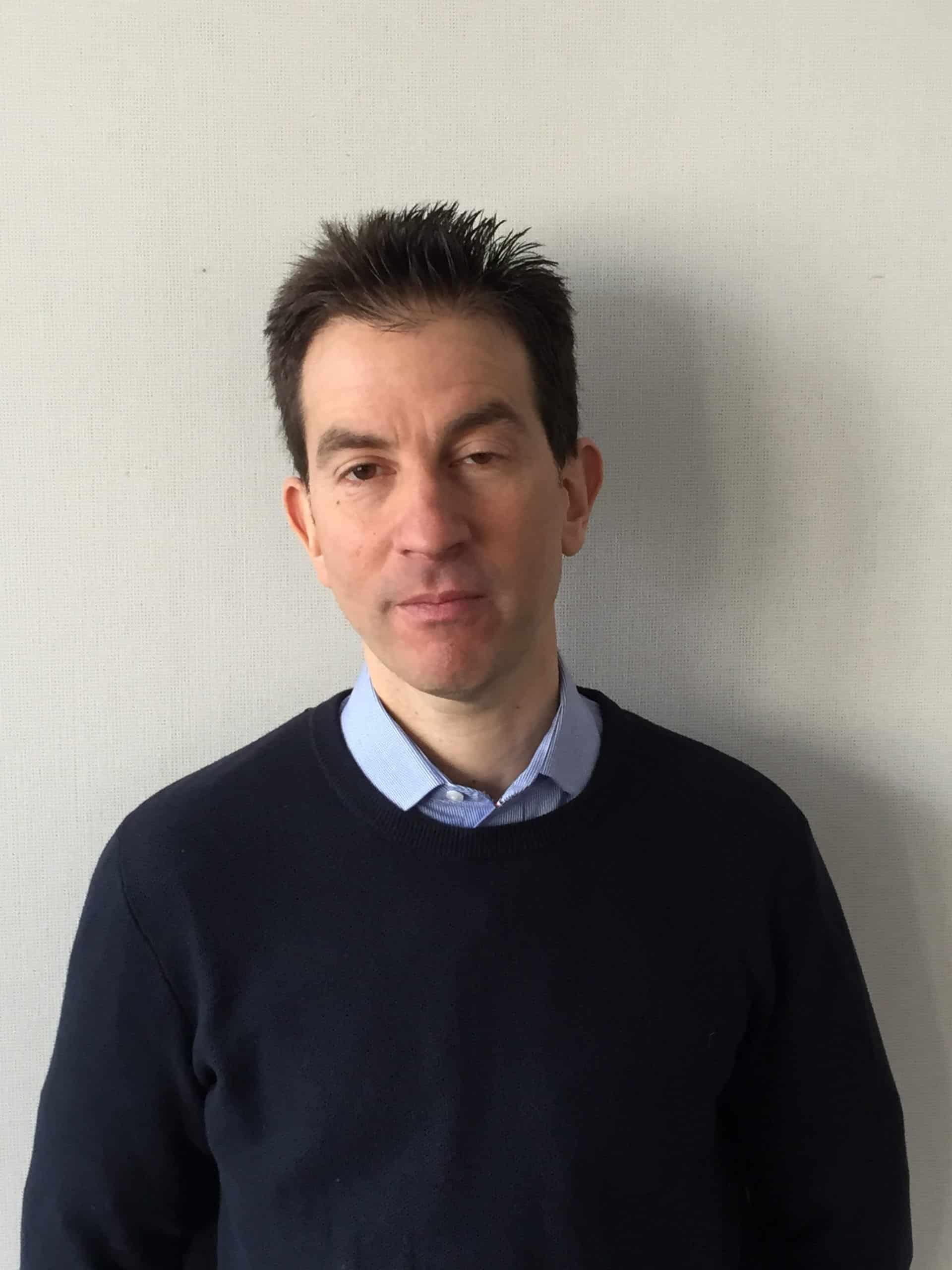
Andrew Strom is a union lawyer based in New York City. He is also an adjunct professor at Brooklyn Law School.
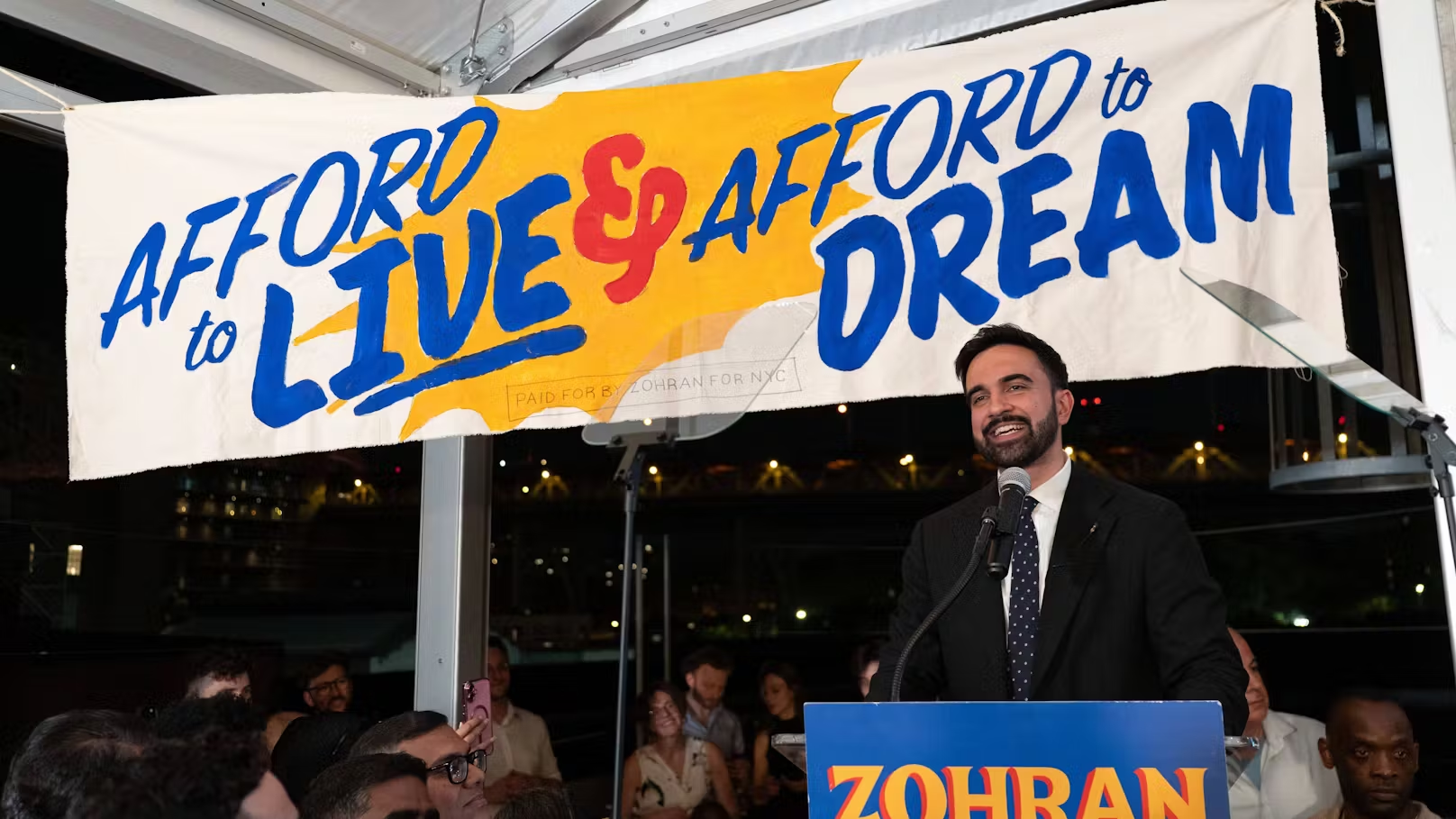
Throughout his campaign, New York City Mayor-elect Zohran Mamdani repeatedly vowed to focus on the needs of working class New Yorkers. While workers’ rights did not make it into Mamdani’s oft-repeated campaign bullet points (freeze the rent, fast and free buses, universal childcare), Mamdani did often voice support for unions, and he appeared on several picket lines during the campaign. Mamdani will undoubtedly be a pro-worker, pro-union Mayor, but as he aims to boost worker organizing efforts, he has to walk the minefield that is federal labor law preemption.
The Supreme Court has held that states and local governments may not regulate the weapons available to each side in a labor-management conflict. In Golden State Transit Corp v. Los Angeles, the Court held that the City of Los Angeles overstepped when it conditioned renewal of a taxicab franchise on the company settling a strike with drivers. But, while a city can’t force a company to settle a strike, a business is not immune from regulation simply because it is in the midst of a strike. This is the lesson of International Paper v. Town of Jay. In that case, after workers went on strike at a paper mill, the town passed an ordinance requiring a permit to discharge pollutants. To get the permit, the paper mill would have to comply with local environmental regulations. International Paper sued the town, arguing that the new ordinance was a pretext to put pressure on the company to settle with the unions representing its workers. The First Circuit rejected this argument, finding that the regulated activity (polluting) was too far removed from labor policy to be preempted. The court explained that local governments regulate in myriad ways that raise costs on businesses, and that a municipality’s regulatory system would be too vulnerable to attack if an employer could raise a preemption challenge every time its costs go up.
The case challenging the Trump tariffs is a reminder that the same government action may be lawful or unlawful depending upon the reasons for the action. In the case of the tariffs, the Solicitor General admitted during oral argument that Trump would not have had the power to impose tariffs if the purpose of the tariffs was to raise revenue. Needless to say, Trump didn’t help his case by repeatedly insisting that the tariffs would bring in huge sums of money to the government’s coffers. Local government officials can face similar issues when they take action in the midst of a labor dispute. For instance, in 2006, the workers at the Congress Hotel in Chicago were out on a lengthy strike. At the same time, the hotel was seeking a permit to operate a sidewalk cafe. The hotel had no right to the permit, and the local alderman had no obligation to support the hotel’s permit application (by tradition the city deferred to the aldermen on these issues). But, the alderman did the one thing he could not do — he announced that he would not approve any permits until the hotel settled its dispute with the union. The hotel sued the alderman, and the court found that the alderman violated the hotel’s federal rights when he conditioned his approval of the permit on the hotel reaching a settlement with the union.
Ever since the Supreme Court held in 1993 that a Massachusetts state agency supervising the clean-up of Boston Harbor could require all contractors to enter into a project labor agreement, governmental entities on both the left and the right have been trying to figure out how far that principle extends. Others at OnLabor have already written about this, so I won’t repeat the arguments here, but suffice it to say that courts will closely scrutinize a city’s claim that restrictions on the economic weapons available to parties in a labor dispute are justified by a city’s proprietary interest.
Mayors do not lose their First Amendment rights when they take office, and they have big platforms to speak out in support of workers who are organizing. Mamdani has already voiced support for striking Starbucks workers, calling attention to a strike, and even urging the public to boycott Starbucks during the strike. A city can support a union-led boycott, as long as the city’s actions are mostly symbolic. In the leading case, the Ninth Circuit held that the City of Oakland acted within its rights when it joined a union boycott by cancelling thirteen subscriptions to a newspaper. More generally, Mamdani can remind workers that they have a right to organize, and that he will support their organizing efforts.
While a city cannot protect workers from retaliation for organizing a union, it can protect workers who are retaliated against for exercising their right to enforce local minimum labor standards. And, here, New York City can do a much better job. In recent years, New York has passed several laws establishing minimum labor standards, including a law that mandates paid sick leave, and laws that regulate the hours worked by fast food workers. The City’s Department of Consumer and Worker Protection has stopped posting its annual report on its website, but the most recently available report, stated that in 2021 the Department received only 247 complaints regarding the paid sick leave law in a city with approximately four million private sector jobs. If the City does a better job of educating workers about their rights on the job, and protecting them from retaliation when they exercise those rights, that can lay the foundation for successfully organizing a union. In addition, by vigorously enforcing minimum labor standards, a city can help make sure that unionized employers do not face unfair competition from employers that skirt the law.
New York City has one geographic feature that Mayor Mamdani can utilize to help worker organizing. Throughout Manhattan, there are hundreds of privately-owned public spaces (there are also a handful in the other boroughs). These are spaces that developers were required to set aside for public use in order to gain the right to build larger buildings than would otherwise be allowed under zoning regulations. Needless to say, the private owners of these spaces tend to make them as uninviting to the public as possible. In 2017, the City Comptroller released a study finding that the City was not regularly inspecting these spaces to ensure public access, and that half the spaces did not have signs notifying the public of their access rights. Mayor Mamdani can do more to let workers know that they have a right to hold union meetings in these spaces. More generally, the Mayor can make it easier for unions to get permits to hold marches and rallies, and he can ensure that unions are invited whenever the City holds job fairs or economic development roundtables.
Mayors have a limited set of tools to use to support private sector unions. But workers can be emboldened to take action when they are encouraged to do so by a Mayor who is willing to stand with them against millionaires and billionaires. And when one group of workers succeeds, Mamdani can highlight their success, creating momentum for more organizing.






Daily News & Commentary
Start your day with our roundup of the latest labor developments. See all
March 12
EPA terminates contract with second-largest union; Florida advances bill restricting public sector unions; Trump administration seeks Supreme Court assistance in TPS termination.
March 11
The partial government shutdown results in TSA agents losing their first full paycheck; the Fifth Circuit upholds the certification of a class of former United Airline workers who were placed on unpaid leave for declining to receive the COVID-19 vaccine for religious reasons during the pandemic; and an academic group files a lawsuit against the State Department over a policy that revokes and denies visas to noncitizens for their work in fact-checking and content moderation.
March 10
Court rules Kari Lake unlawfully led USAGM, voiding mass layoffs; Florida Senate passes bill tightening union recertification rules; Fifth Circuit revives whistleblower suit against Lockheed Martin.
March 9
6th Circuit rejects Cemex, Board may overrule precedents with two members.
March 8
In today’s news and commentary, a weak jobs report, the NIH decides it will no longer recognize a research fellows’ union, and WNBA contract talks continue to stall as season approaches. On Friday, the Labor Department reported that employers cut 92,000 jobs in February while the unemployment rate rose slightly to 4.4 percent. A loss […]
March 6
The Harvard Graduate Students Union announces a strike authorization vote.