
Henry Green is a student at Harvard Law School.
In today’s News and Commentary, an analysis of the Board’s decisions since regaining a quorum, and a dissent at the 5th Circuit sharply criticizes the Wright Line framework and Thryv remedies.
The NLRB has issued 78 decisions since it regained a quorum of three members earlier this year, according to an analysis in Bloomberg Law. To address its significant backlog, the agency has focused on “low hanging fruit” cases that can be dealt with quickly, issuing short rulings that “require little to no reasoning,” per the article. None of the decisions issued so far is longer than three pages, most are unpublished, and not all of the published decisions include legal analysis – by Bloomberg’s count, only seven include “legal analysis that’s binding in future cases.” Despite setting limited precedent, the decisions have been “significant for the parties involved” – the article notes, for example, that the board denied a request to review certification of a union election and rejected three requests to have cases transferred to the National Mediation Board’s jurisdiction. Relatedly, a column at Law360 reports that the Board appears to be following an informal rule requiring a three-member majority to overturn precedents. Since the Board currently has two Republican-nominated and one Democrat-nominated member (a quorum, but less than its full complement of five members), overturning precedent is unlikely until more members are confirmed.
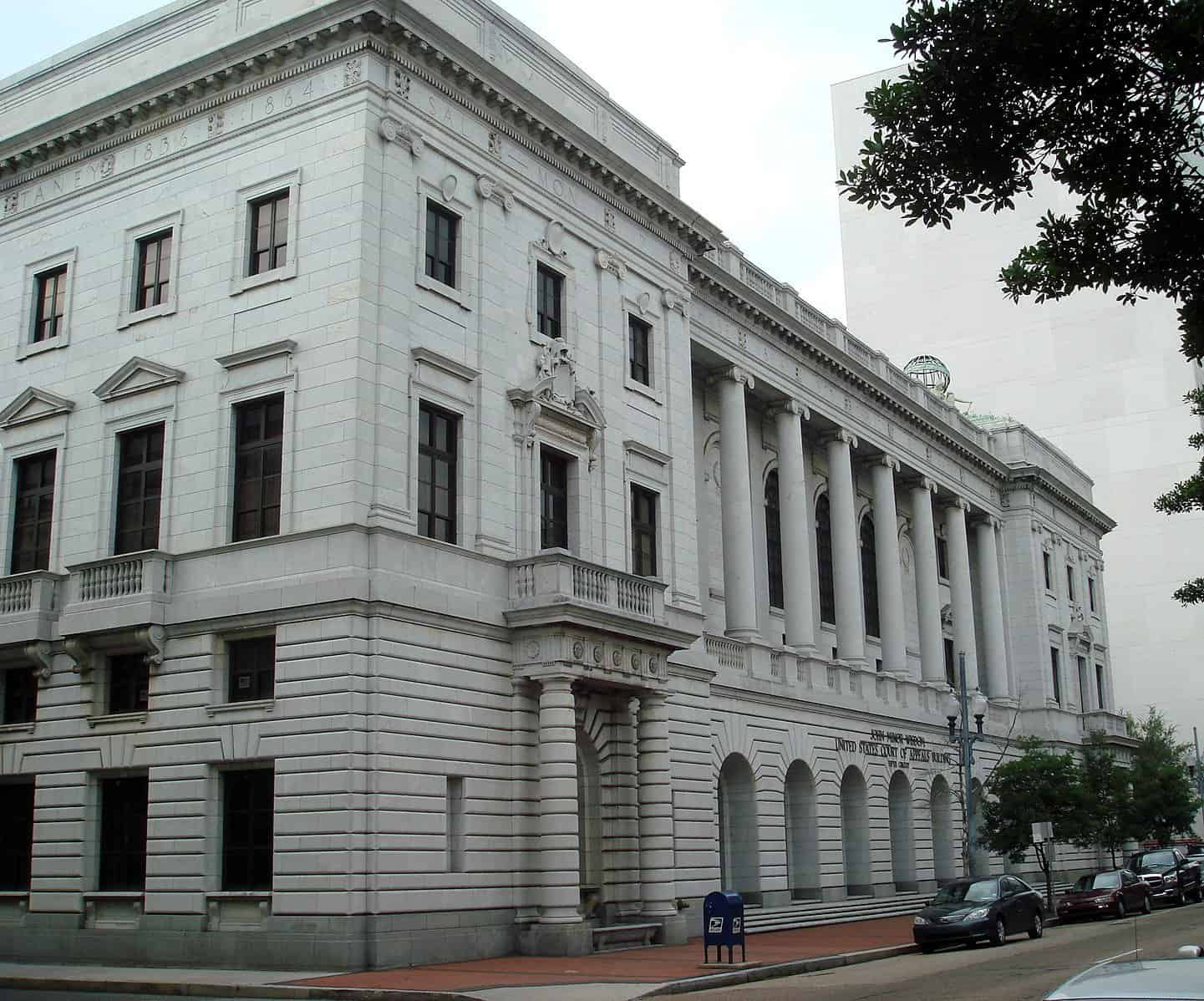
A 5th Circuit judge sharply criticized the Wright Line test and Thryv remedies in a dissenting opinion, Law360 reports. The majority in the case upheld a 2024 NLRB ruling in which the Board reinstated a Trader Joe’s employee (applying the Wright Line framework) and ordered “make whole relief” under Thryv. In dissent, Judge Andrew Oldham called the Wright Line test “an undertheorized byproduct of Chevron deference,” and argued “the Thryv remedy implicates serious Seventh Amendment concerns.” As part of his criticism of Wright Line, Judge Oldham added that “the National Labor Relations Board has provided ample reasons to doubt its neutrality,” criticizing aspects of the agency’s structure and the procedural rules and doctrines applies in ALJ proceedings and when the Board reviews a case. The majority affirmed the Board’s application of Wright Line and held that the court did not have jurisdiction to reach the Thryv issue.


Daily News & Commentary
Start your day with our roundup of the latest labor developments. See all
April 14
Meatpacking workers ratify new contract; NLRB proposes Amazon settlement; NLRB's new docketing system leading to case dismissals.
April 13
Starbucks' union files new complaint with NLRB; FAA targets video gamers in new recruiting pitch; and Apple announces closure of unionized store.
April 12
The Office of Personnel Management seeks the medical records of millions of federal workers, and ProPublica journalists engage in a one-day strike.
April 10
Maryland passes a state ban on captive audience meetings and Elon Musk’s AI company sues to block Colorado's algorithmic bias law.
April 9
California labor backs state antitrust reform; USMCA Panel finds labor rights violations in Mexican Mine, and UPS agrees to cap driver buyout offers in settlement with Teamsters.
April 8
The Writers Guild of America reaches a tentative deal with the Alliance of Motion Picture and Television Producers; the EEOC recovers almost $660 million in compensation for employment discrimination in 2025; and highly-skilled foreign workers consider leaving the United States in light of changes to the H-1B visa program.