
Jacqueline Rayfield is a student at Harvard Law School.
In today’s News and Commentary, South Korea’s largest labor union began a general strike calling for the President’s removal, a Wisconsin judge reinstated bargaining rights for the state’s public sector workers, and the National Labor Relations Board (NLRB) issued another ruling against Starbucks for anti-union practices.
The Korean Confederation of Trade Unions issued a call late Tuesday night for its 1.1 million members to join an indefinite general strike. This action came as a response to South Korea’s president declaring martial law, suspending government functions, and implementing military control over the country.
A Wisconsin Judge on Monday struck down a 2011 law that stripped most of the state’s public sector workers of the right to form a union. The President of the Wisconsin AFL-CIO explained that this ruling would restore union freedoms to the state and strengthen the state’s middle class. State Republicans had passed this law after winning control of the state government in 2010.
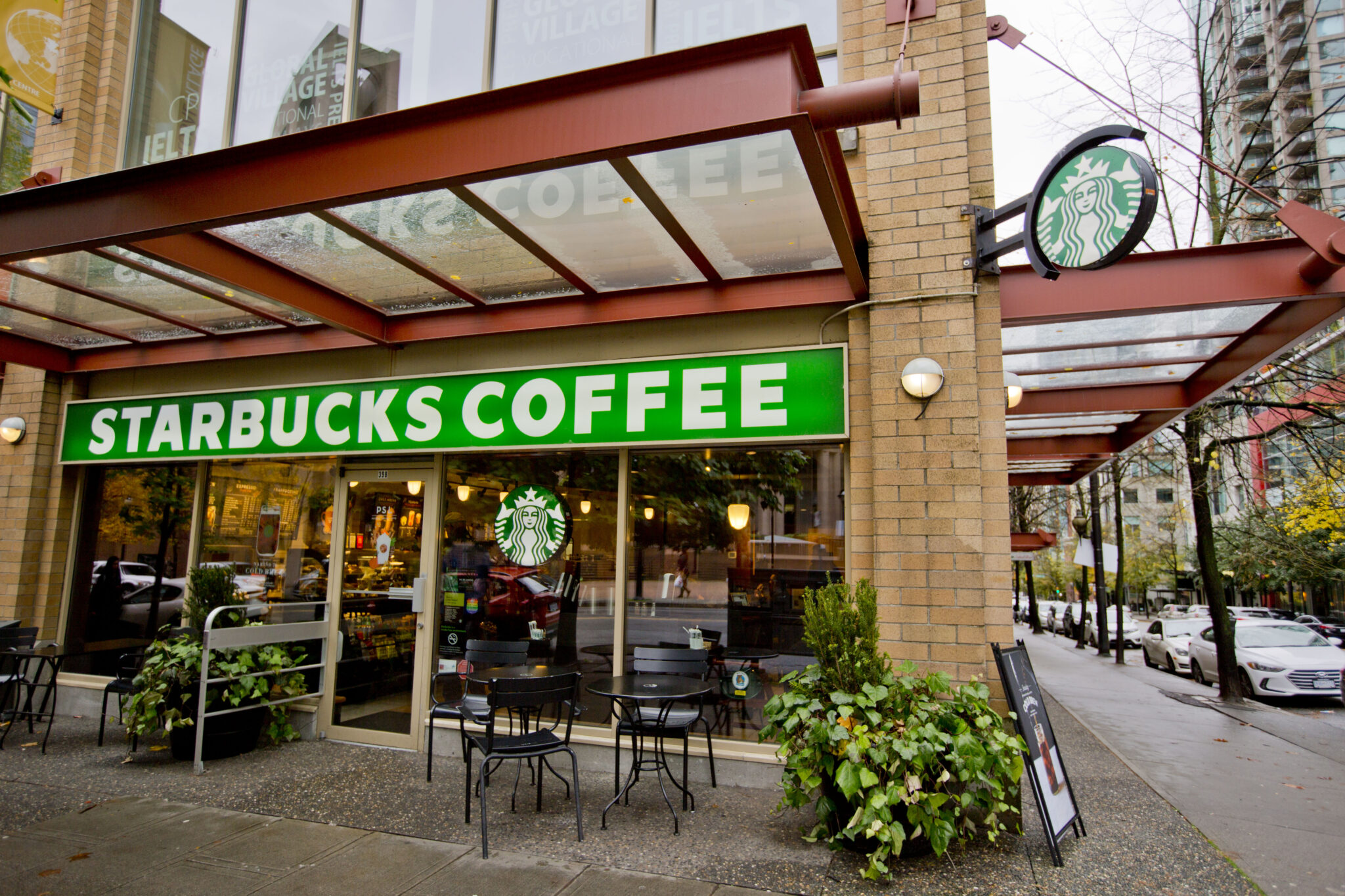
An NLRB administrative judge in Seattle held yesterday that Starbucks’ holiday parties violated labor law by impermissibly excluding union workers. The judge explained that Starbucks hosted an elaborate ice-skating event for the holiday season with complimentary food and drinks but advertised this event only at non-union Starbucks stores. The judge ordered Starbucks to pay each union worker $40 in compensation for labor discrimination.





Daily News & Commentary
Start your day with our roundup of the latest labor developments. See all
October 18
Federal judge again halts cancellation of the Bureau of Prisons’ CBA; tabletop gaming workers face roadblocks in union recognition.
October 16
Department of Labor reduces wage-and-hour enforcement at unionized workplaces; Fain's victory poses question of federal monitor's extension.
October 15
New reporting examines the rollback of child labor protections; California tries to block a strike; NLRB charges Wisconsin mental health provider with firing workers during union drive.
October 14
Eleventh Circuit overturns ERISA exhaustion rule; DHS finalizes removal of automatic renewal for work permits; AFGE challenges SSA over flexible scheduling policy.
October 13
Chicago hotel workers remain on strike; a coalition of Democratic states sues the Labor Department over canceled unemployment insurance grants; the Federal Labor Relations Authority establishes a new mediation framework for federal worker disputes.
October 12
Workers at the Obama Foundation begin organizing; MLB submits its latest collective bargaining agreement proposal; Brigham & Women's nurses postpone strike.