
Gurtaran Johal is a student at Harvard Law School.
In today’s news and commentary, the TSA suspends a labor union representing 47,000 officers for a second time; the Trump administration seeks to recruit over 1,000 artificial intelligence experts to the federal workforce; and the New York Times reports on the tumultuous changes that U.S. labor relations has seen over the past year.
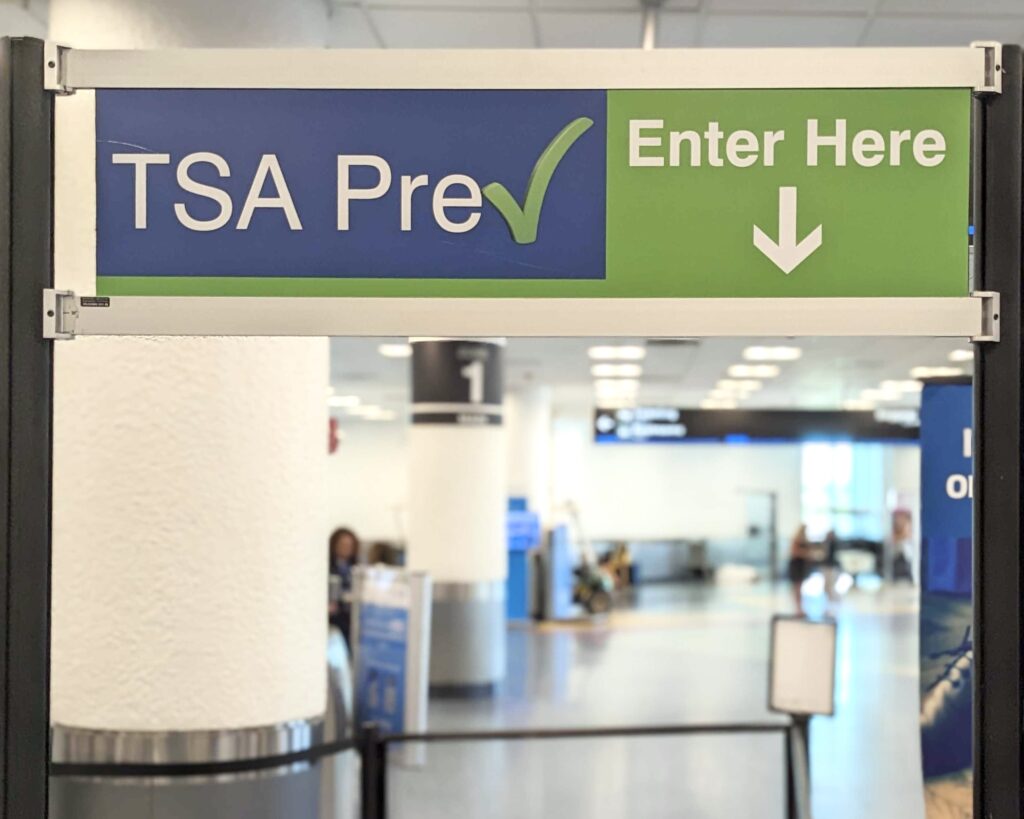
The Transportation Security Administration (TSA) announced that that it would terminate a 2024 collective bargaining agreement (CBA) covering over 47,000 officers, despite efforts to do so earlier in the year that were blocked by a federal judge. This decision comes after Homeland Security found that TSA screeners’ primary duties focused on national security, which is “inconsistent with efficient stewardship of taxpayer dollars and impedes the agility required to secure the traveling public.” Homeland Security Secretary Krisi Noem previously sought to rescind the CBA on March 7, 2025, but a federal judge halted this effort through a preliminary injunction. The American Federation of Government Employees (AFGE), which represents the TSA officers, released a statement condemning the CBA’s recission and described it as a “slap in the face.” Starting on January 11, 2026, the TSA will no longer collect union dues from the officers’ paychecks.
Meanwhile, the U.S. Office of Personnel Management (OPM) launched the U.S. Tech Force, a new program that will recruit over 1,000 specialists in the artificial intelligence space to the federal workforce. OPM will partner with several top technology companies to recruit these experts, including Amazon, Apple, and Microsoft. The experts will serve as one- or two-year fellows, with the goal of mentoring early career technologists. They will work on various matters related to AI implementation, data modernization, and digital service delivery. This program demonstrates the Trump Administration’s focus on improving the nation’s AI infrastructure and modernizing the federal government.
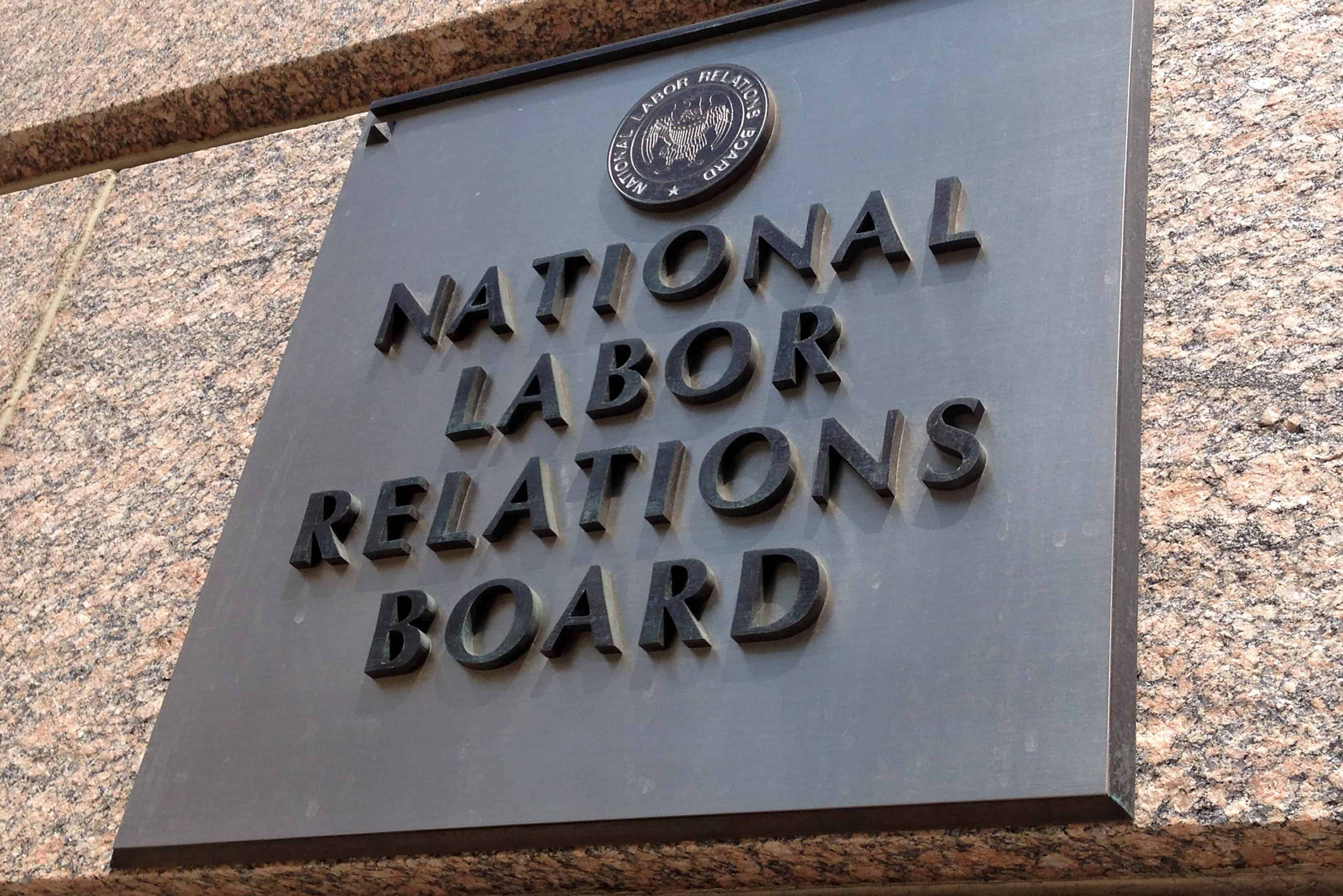
Lastly, the New York Times discussed the changes that U.S. labor relations has seen over the past year. Specifically, it reported on how the National Labor Relations Board (NLRB) has lacked a quorum for months, and even if the vacancies are filled, further changes may result if the Supreme Court rules that the president has wide powers to fire appointed officials of federal agencies. With the uncertainty over the NLRB’s future, some states have sought to strengthen their own state oversight agencies, such as New York and California. In response, the NLRB has sued California for passing a statute that expands the state labor board’s authority, fearing that a patchwork of conflicting state laws will destabilize federal labor law. As this uncertainty continues, the Supreme Court’s decision will carry significant weight regarding the future of the NLRB.


Daily News & Commentary
Start your day with our roundup of the latest labor developments. See all
April 2
Sheridan, Colorado educators go on strike; Maryland graduate student workers are one step closer to collective bargaining rights.
April 1
DOL proposes 401(k) rule; Starbucks investors reelect controversial board members; Washington passes workplace immigration warning requirement.
March 31
In today’s news and commentary, the Supreme Court hears a case about Federal Court jurisdiction over arbitration, a UPS heat inspection lawsuit against OSHA is dismissed, and federal worker unions and NGOs call on the EPA to cease laying off its environmental justice staffers. A majority of Supreme Court justices signaled support for allowing federal […]
March 30
Trump orders payment to TSA agents; NYC doormen look to authorize a strike; and KPMG positions for mass layoffs.
March 29
The Department of Veterans Affairs re-terminates its collective bargaining agreement despite a preliminary injunction, and the Federal Labor Relations Authority announces new rules increasing the influence of political appointees over federal labor relations.
March 27
“Cesar Chavez Day” renamed “Farmworkers Day” in California after investigation finds Chavez engaged in rampant sexual abuse.