
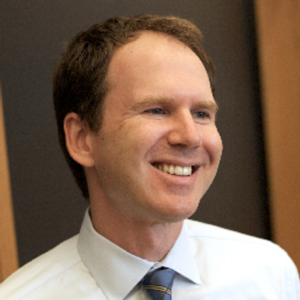
Benjamin Sachs is the Kestnbaum Professor of Labor and Industry at Harvard Law School and a leading expert in the field of labor law and labor relations. He is also faculty director of the Center for Labor and a Just Economy. Professor Sachs teaches courses in labor law, employment law, and law and social change, and his writing focuses on union organizing and unions in American politics. Prior to joining the Harvard faculty in 2008, Professor Sachs was the Joseph Goldstein Fellow at Yale Law School. From 2002-2006, he served as Assistant General Counsel of the Service Employees International Union (SEIU) in Washington, D.C. Professor Sachs graduated from Yale Law School in 1998, and served as a judicial law clerk to the Honorable Stephen Reinhardt of the United States Court of Appeals for the Ninth Circuit. His writing has appeared in the Harvard Law Review, the Yale Law Journal, the Columbia Law Review, the New York Times and elsewhere. Professor Sachs received the Yale Law School teaching award in 2007 and in 2013 received the Sacks-Freund Award for Teaching Excellence at Harvard Law School. He can be reached at [email protected].
The Competitive Enterprise Institute has weighed in on our debate over flexibility in the gig economy with a new piece by Trey Kovacs. Their bottom line: they agree with my analysis of the law but object to the “burdens” (what I’d call minimum basic protections) that employment law imposes on employers:
If government did not impose so many added costs and liabilities on the employer-employee relationship, Sachs’ argument would be more convincing. As long as employee status saddles employers with massive burdens, companies will be reluctant to offer the kind of flexibility rideshare drivers enjoy today as independent contractors.
The opening post in this debate, Enough with the Flexibility Trope, is available here. Professor Estlund’s response is here, and my reply here.






Daily News & Commentary
Start your day with our roundup of the latest labor developments. See all
July 22
EDNY strikes down state labor board law; D.C. Circuit applies Loper Bright to NLRB; Joint employer bill reaches the House floor.
July 21
Fifth Circuit transfers an Anheuser-Busch NLRB case to the Eleventh Circuit; a new report makes the case for tripling union membership.
July 20
New York City weighs banning horse carriages despite union opposition; public defenders go on strike; cinema workers stage walkout.
July 17
Canadian wildfires endanger rail workers; 26 Meta employees allege targeted layoffs for those on paid leave; FIFPRO pushes for more rigorous heat protections for players.
July 16
Trump's NLRB nominee set for Senate vote, federal district court grants partial win on WARN Act claims, Brigham and Women's nurses return to work.
July 15
U.S. labor productivity climbs at its fastest pace in decades; a federal judge grants a preliminary injunction to anti-abortion groups challenging Michigan’s civil rights law; and Jackson, Mississippi’s bus workers walk off the job.