
Sophia is a student at Harvard Law School and a member of the Labor and Employment Lab.
In today’s news and commentary, Trump fires regulator in charge of reviewing railroad mergers; fired Fed Governor sues Trump asserting unlawful termination; and Trump attacks more federal sector unions.
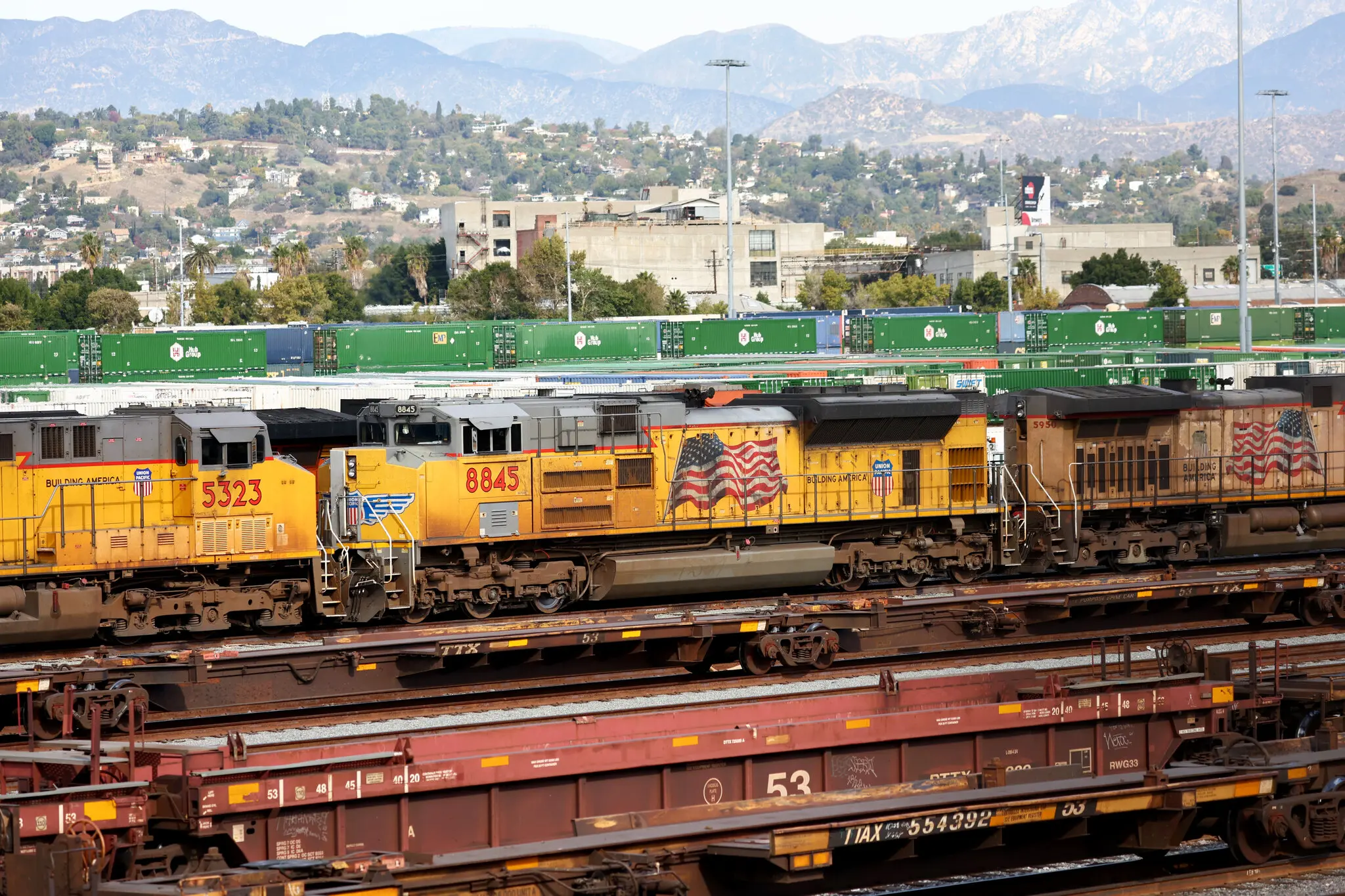
On Thursday, Robert Primus, a member of the Surface Transportation Board, discovered that President Trump had fired him after returning home from an event unveiling new high-speed Acela trains. Primus’s removal comes just as the board weighs a merger between Union Pacific Corporation and Norfolk Southern Corporation. The International Association of Sheet Metal, Air, Rail, and Transportation Workers (SMART) condemned Trump’s action, citing a retaliatory motive given that Primus had vocally opposed the merger out of concerns of corporate consolidation. Primus was the sole dissent in a March 2023 board decision that approved a merger between Canadian Pacific and Kansas City Southern.
On Monday, President Trump announced via social media that he had fired Federal Reserve Governor Lisa Cook. Prior to Cook’s removal, no president had fired a central bank governor in the bank’s 111-year history. Cook filed a lawsuit in the U.S. District Court for the District of Columbia on Thursday, alleging that her firing was “unprecedented and illegal.” The lawsuit raises the possibility of a landmark legal battle over the Federal Reserve’s status as an independent institution.
President Trump issued a directive yesterday expanding on a March executive order ending collective bargaining agreements (CBAs) for many federal agencies. The latest agencies affected include the Bureau of Reclamation, the International Trade Administration, the Office of the Commissioner for Patents, the National Weather Service, the National Environmental Satellite, Data, and Information Service, NASA, and the U.S. Agency for Global Media. Trump’s latest effort to curb federal-sector collective bargaining comes after the Supreme Court allowed Trump to proceed with the elimination of CBAs for certain agencies. In the wake of that decision, several agencies have canceled union contracts for their employees including Veterans Affairs, Homeland Security, the Environmental Protection Agency, and just this week – Health and Human Services.


Daily News & Commentary
Start your day with our roundup of the latest labor developments. See all
March 27
“Cesar Chavez Day” renamed “Farmworkers Day” in California after investigation finds Chavez engaged in rampant sexual abuse.
March 26
Supreme Court hears oral argument in an FAA case; NLRB rules that Cemex does not impose an enforceable deadline for requesting an election; DOL proposes raising wage standards for H-1B workers.
March 25
UPS rescinded its driver buyout program; California court dismissed a whistleblower retaliation suit against Meta; EEOC announced $15 million settlement to resolve vaccine-related religious discrimination case.
March 24
The WNBPA unanimously votes to ratify the league’s new CBA; NYU professors begin striking; and a district court judge denies the government’s motion to dismiss a case challenging the Trump administration’s mass revocation of international student visas.
March 23
MSPB finds immigration judges removal protections unconstitutional, ICE deployed to airports.
March 22
Resurgence in salting among young activists; Michigan nurses strike; states experiment with policies supporting workers experiencing menopause.