
Linh is a student at Harvard Law School.
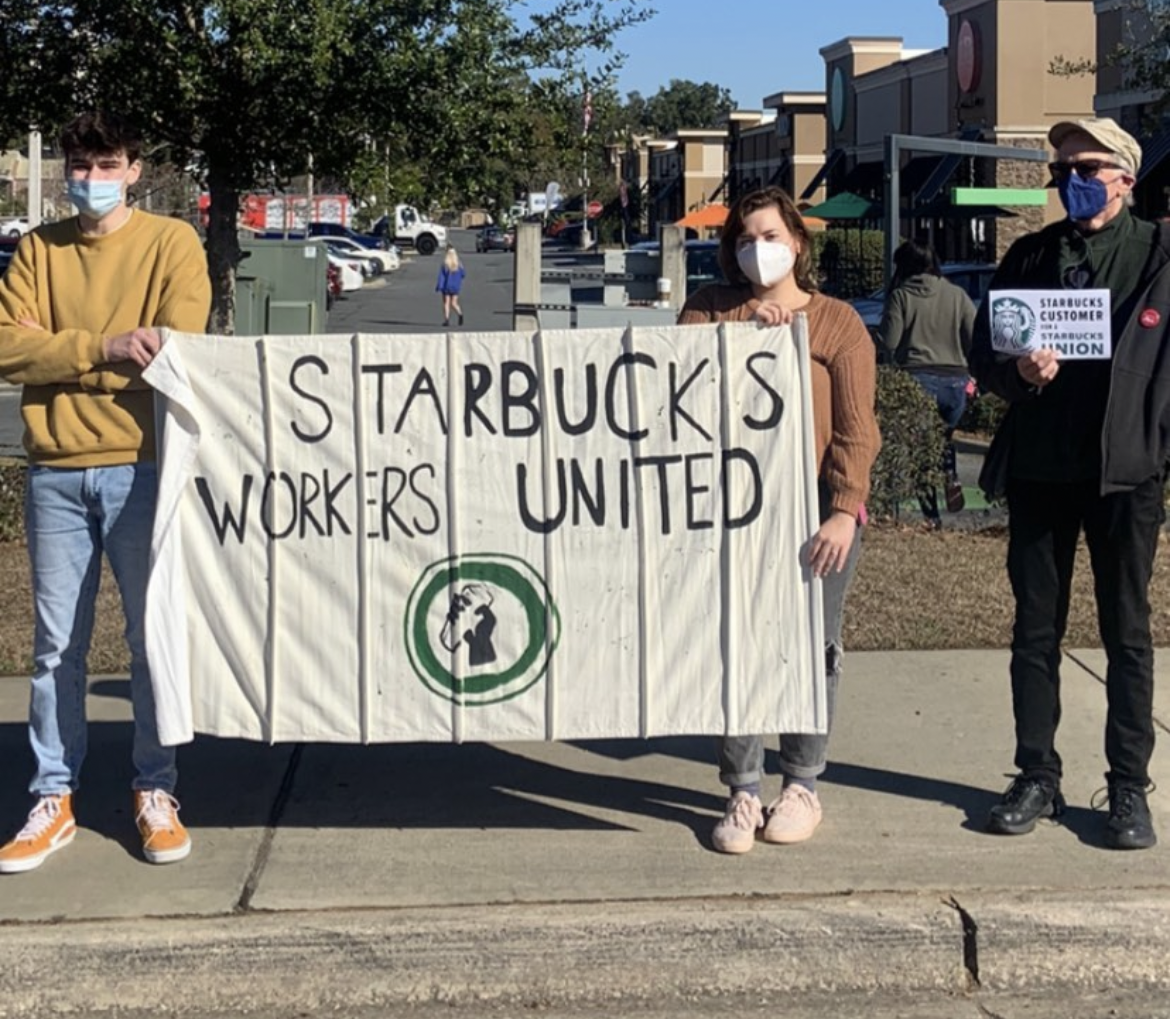
In the continued thread of Starbucks’ “dirty war” on the labor movement, the NLRB ruled yesterday that Starbucks had violated federal law when it fired a union activist due to her participation in protected activity. In its decision, the Board upheld an ALJ’s October 22 ruling against Starbucks for firing Hannah Whitbeck, a Michigan worker who initiated a union organizing effort at her store by contacting Workers United and participating in a labor board proceeding. To date, regional NLRB officials have issued hundreds of complaints alleging Starbucks of unfair labor practices.
The U.S. Equal Employment Opportunity Commission (EEOC) officially has a Democratic majority as of yesterday as Kalpana Kotagal was sworn in as commissioner. Kotagal, formerly an employment and civil rights attorney at Cohen Milstein Sellers & Toll in Washington D.C., was narrowly confirmed last month in a 49-47 Senate vote. Her addition to the Commission promises to break a partisan deadlock and allow Democrats to ramp up agency action.
Also on Wednesday, the EEOC settled a first-of-its-kind AI discrimination lawsuit against a tutoring company that allegedly programmed its recruitment software to reject older applicants. The joint notice of settlement, filed in the Eastern District of New York, stipulates that the company will pay $365,000 to the 200+ applicants rejected due to their age in the specified timeframe and be enjoined from using age or sex as a disqualifier. This is the first AI discrimination lawsuit the EEOC has ever brought.
Finally, in case you missed it on Tuesday, Vice President Kamala Harris announced a new rule to raise wage standards for unionized construction workers performing federally funded jobs. Under the new rule, employers are required to pay construction workers the equivalent of wages made by at least 30% of workers in a given trade and locality. This rule aims to restore an old definition of “prevailing wage” that was abolished by the Reagan administration.


Daily News & Commentary
Start your day with our roundup of the latest labor developments. See all
October 28
The Writers Guild of America East provides writers with access to software that protects their work from AI scraping, and city workers in Oregon reach a tentative agreement after a six-day strike.
October 27
Some California union locals defy their statewide leadership to back the state’s billionaire tax proposal; a Brown University technology center releases a map of the hidden global workforce behind AI; the National Women's Soccer League and its players union settle six grievances.
October 26
Harvard dining workers authorize strike; New York City bans horse carriages; Brooklyn nurses rally in support of colleague.
October 25
Dallas Cowboys Cheerleaders unionize; Bureau of Prisons again pushes for union contract cancellation; CSU faculty votes on strike authorization.
October 23
Employers increasingly shift health care costs onto workers and NYC proposes placing restrictions on fully automated customer service.
October 22
SCOTUS declines Wilcox appeal; Penn State research assistants win bargaining rights; SEIU sued over military leave firing.