
Holden Hopkins is a student at Harvard Law School.
In today’s news and commentary, journalists at several newspapers are on strike, Harvard academic workers win a union, and the National Labor Relations Board could hear a case that would impact the ability of workers in the legal marijuana industry to organize.
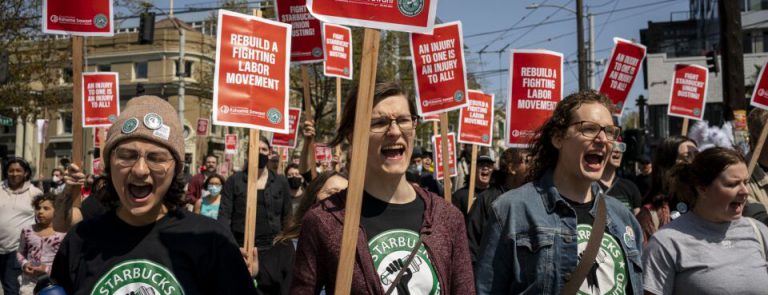
Journalists represented by the News Guild are on strike today at the Austin-American Statesman, Long Beach Post, Pittsburgh Post-Gazette, and the Rochester Democrat & Chronicle. Both the Austin-American Statesman and the Rochester Democrat & Chronicle are owned by Gannett, who faced strikes from two dozen unions last year as Elyse reported at the time. These strikes are both ULP strikes, based on what the union is calling Gannett’s failure to bargain.
The Long Beach Post has been striking over layoffs since late March, and the Pittsburgh Post-Gazette strike is nearing its eighteenth month.
On Friday, almost four thousand non-tenure track faculty at Harvard’s Faculty of Arts and Sciences, Harvard Medical School, and Harvard Divinity School voted to join the Harvard Academic Workers Union organized through the UAW. This comes on the heels of Wednesday’s union win for the roughly one hundred members of Harvard Law School’s clinical faculty. Both elections saw upwards of ninety-three percent of votes cast in favor of the union. This is just the latest in the UAW’s recent academic worker union election wins in the region, as 1,300 workers at the Universities of Vermont, New Hampshire, and Worcester Polytechnic Institute voted to join in the past two weeks.
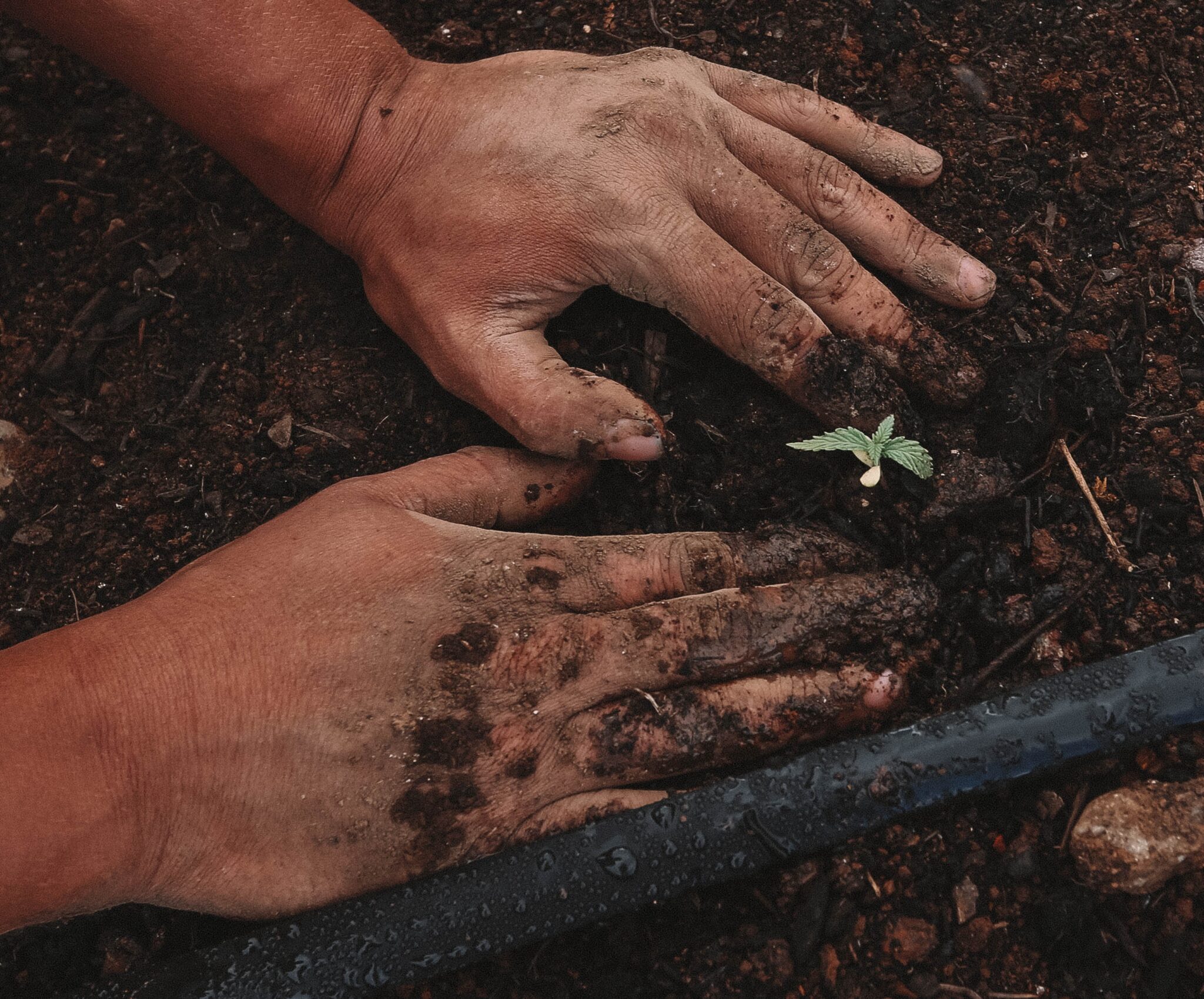
A dispute between BeLeaf, a Missouri-based legal cannabis company, and its unionizing workers could clarify an issue of labor law coverage for workers in the marijuana industry. At issue is whether post-harvest workers are agricultural workers, and thus not statutory employees covered by the NLRA. After several rulings from NLRB Regional Director Angela Wilkes that workers handling and packaging dried plants were not exempted from the NLRA as agricultural workers, BeLeaf has filed a request for the Board to review Regional Director Wilkes’ determinations. The company argues that unlike post-harvest workers in the tobacco industry, which NLRB precedent holds are statutory employees who do not work with a raw agricultural product, post-harvest cannabis workers work with a product that is still “raw”.
As the Board has not yet weighed in on this issue, however they choose to respond could have major implications for the burgeoning legal marijuana industry. Thirty-eight states, three territories, and the District of Columbia have legalized marijuana in some way, whether for medical or recreational use. A ruling here could clarify the organizational rights of workers in this field.


Daily News & Commentary
Start your day with our roundup of the latest labor developments. See all
October 6
Protect College Sports Act dampens athlete unionization outlook; Stanford RA union decides to withdraw petition
October 5
Delaware bans captive audience meetings; EEOC settles remote work national origin discrimination claim; First Circuit stays enforcement order in VA's dispute with AFGE.
October 4
Boston nurses announce open-ended strike; federal judge restores federal prison workers' union protections; St. Louis workers form the first movie theater union in Missouri.
October 2
Gov. Newsom signs bill regulating AI in workplace; federal judge blocks Trump's $100,000 H-1B visa fee.
October 1
Senate confirms Keith Sonderling as Labor Secretary; Amazon warehouse workers launch an unfair labor practice strike.
September 30
Harvard grad union wins in First Circuit; AI data trainers initiate misclassification suits; Trader Joe’s found liable under ERISA.