
Divya Nimmagadda is a student at Harvard Law School.
Disneyland performers, based in Anaheim, California, filed a petition yesterday to unionize under the Actors’ Equity union. The group, made up of 1,7000 eligible workers, includes parade performers, character actors and support staff at Disneyland and Disney California Adventure theme parks. Through unionization, the workers are hoping to raise wages, address safety and health issues that became especially apparent during the COVID-19 pandemic, improve health insurance access and ease scheduling concerns.
Currently, around 21,000 Disneyland workers have union representation, including retail and food services workers, security guards, make-up artists and pyrotechnics workers. The Disneyland performers are hoping to join this group; their counterparts in the Disney World theme park in Orlando unionized forty years ago with the Teamsters.
Disney officials released a statement that they “support our cast members’ right to a confidential vote that recognizes their individual choices.” More than two-thirds of the eligible workers signed the union authorization cards, and the election through the NLRB will likely take place in May or June. Actors’ Equity has asked for voluntary recognition based on the volume of workers who have signed the authorization cards, but has yet to receive a response from the company.
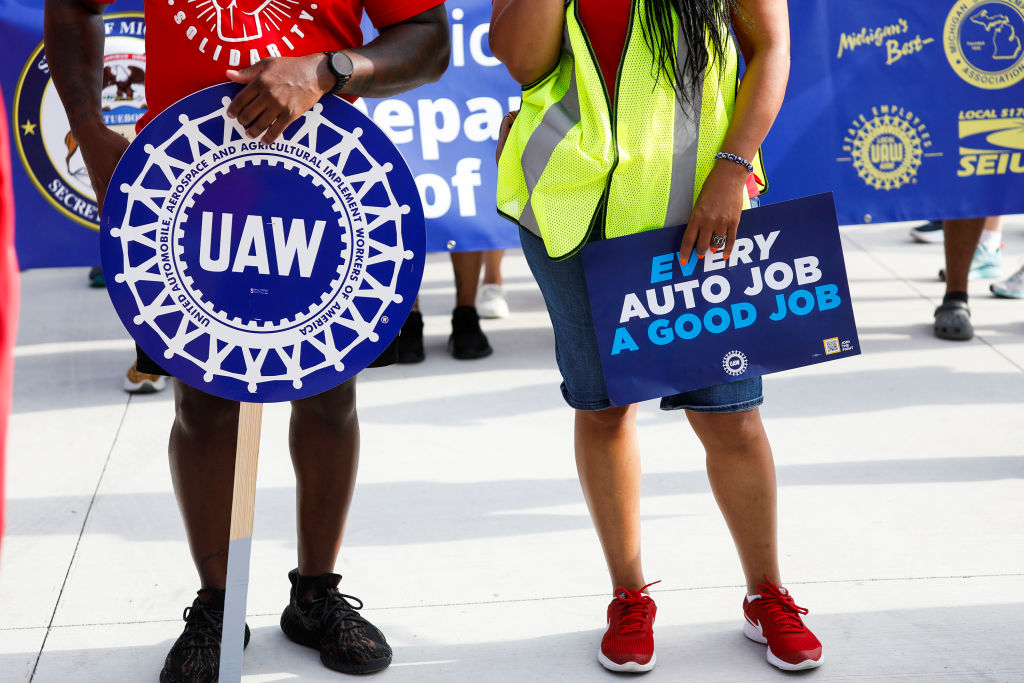
On the other side of the country in Chattanooga, Tennessee, 4,300 workers at the Volkswagen plant began voting on whether to join the United Auto Workers union. A successful election seems imminent, especially given that UAW has stated that seventy percent of the workers pledged to vote for unionization. Adding to the significance of this election, UAW has tried to unionize this Chattanooga plant twice in the past decade, failing both times, but it seems like the tide may be changing. The Chattanooga plant is the only Volkswagen plant in the world without worker representation.
This election is part of a larger effort by UAW to expand its presence in the South. Currently, 48% of U.S. autoworkers are employed by the Big 3 unionized auto shops – Ford, General Motors and Stellantis. The other half, however, are employed at mostly non-union, foreign owned car companies in the South. This election is a step in shaking up that dynamic, and the UAW’s efforts have received significant pushback from businesses and government officials. As Everest described in yesterday’s post, the governors of six Southern states released a joint statement warning that joining UAW would threaten jobs and community values. The right-to-work laws and employer resistance in many of these states make organizing workers especially difficult, but the UAW has launched a $40 million campaign to appeal to non unionized auto-workers, especially those at factories in the South.
Following the VW vote is another election at the Mercedes-Benz plant in Vance, Alabama, where the UAW once again states that a majority of workers have pledged to vote yes on the union. Hopes remain high that a victory here will build the momentum needed for UAW to continue to build worker power in the South.




Daily News & Commentary
Start your day with our roundup of the latest labor developments. See all
October 25
Dallas Cowboys Cheerleaders unionize; Bureau of Prisons again pushes for union contract cancellation; CSU faculty votes on strike authorization.
October 23
Employers increasingly shift health care costs onto workers and NYC proposes placing restrictions on fully automated customer service.
October 22
SCOTUS declines Wilcox appeal; Penn State research assistants win bargaining rights; SEIU sued over military leave firing.
October 21
DOL withdraws tipped-worker rule; Instacart settles hiring-bias claims; Phillips 66 locks out New Jersey refinery workers.
October 20
Korean unions oppose labor exemption bill; Portland city workers prepare for strike; UPenn grad student union looks to dismiss university filing
October 19
FDA reverses course on policy prohibiting off-duty union activity; FAA and NATCA reach deal to secure pay increase for air traffic controllers.