
Philippa Marks is a student at Harvard Law School.
In today’s news and commentary, Harvard graduate student workers enter their second week of a strike, New York City Mayor Zohran Mamdani prepares to begin contract talks with the city’s largest public-sector union, and the Trump administration proposes more stringent rules for workers seeking unemployment benefits.
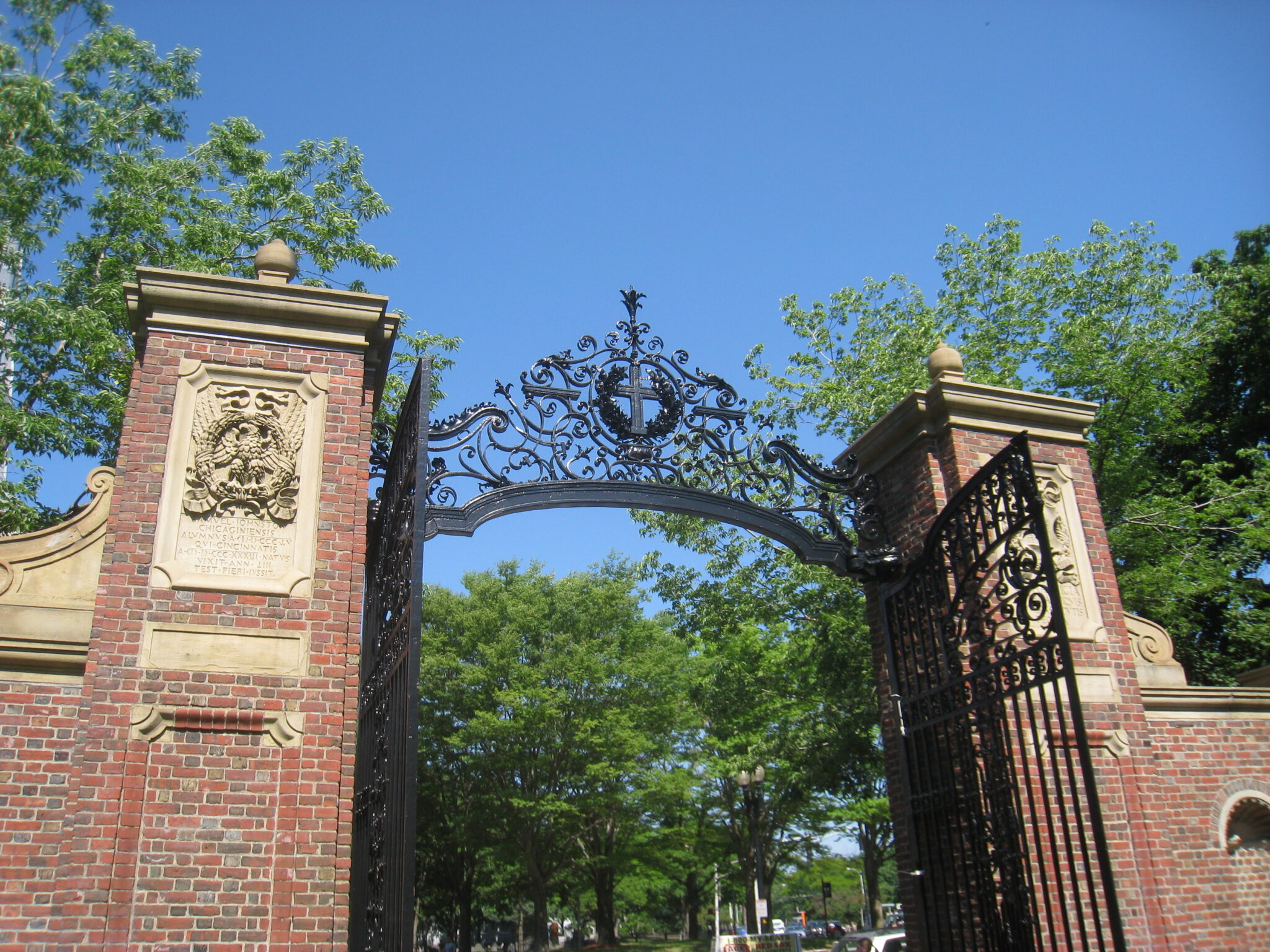
Harvard’s graduate student workers are now in the second week of a strike, their second walkout this year. Members of the Harvard Graduate Students Union-United Auto Workers (HGSU-UAW), which represents more than 4,000 student employees, walked off the job on October 27 after a 40-day strike this spring ended without a new contract. The union is seeking higher pay, an independent grievance process for harassment and bullying complaints, and stronger protections for noncitizen members. Harvard has offered a 6.1% raise upon ratification followed by 3% annual raises, which it says compounds to nearly 16% over the life of the contract. The university also argues the walkout is an “intermittent strike” that federal labor law doesn’t protect, which union leaders dispute. The two sides met on November 5 for the first bargaining session since the strike began. Union president Denish Jaswal said, “The sooner our workers receive a fair contract, the sooner we can return to work and to our educational mission.”
Next, New York City Mayor Zohran Mamdani is preparing for his first major round of contract talks with District Council 37, the city’s largest public-sector union. DC 37’s citywide economic agreement, which covers roughly 90,000 workers, expired on November 6, but formal bargaining has not yet begun. The union, led by Executive Director Henry Garrido, plans to push for protections against job losses from artificial intelligence, including a citywide AI policy developed with worker input. Few public-sector contracts in the country include protections like that. Garrido said AI should serve as a tool for productivity, “not as a mechanism to reduce jobs.” The outcome matters beyond DC 37: under the city’s practice of pattern bargaining, the deal is expected to set the template for other municipal unions.
Finally, the Trump administration has proposed stricter work search requirements for workers seeking unemployment benefits. Under the Department of Labor’s proposed rule, published in the Federal Register on November 10, people applying for or collecting unemployment insurance would have to complete at least five work search activities each week. Many states currently require two or three, some require only one, and just four require five. Contacting a prospective employer or registering with a job placement agency or union would count, and states could instead use a points system requiring five points per week. The rule would also bar states from giving formal or informal warnings to claimants who fall short. The Department says a national minimum would “improve program integrity and strengthen labor market attachment,” though it concedes the change could temporarily raise costs for states and claimants. Michele Evermore of the National Employment Law Project called the proposal “devastating to claimants” and warned that many states would need to change their intake forms, technology and, in some cases, their laws. The public has 60 days to comment.




Daily News & Commentary
Start your day with our roundup of the latest labor developments. See all
November 12
Harvard graduate students go on strike; New York city mayor prepares to negotiate with the city's largest public union; the Trump administration proposes stringent rules for workers seeking benefits.
November 11
MIT grad union avoids strike, Colombian union clashes with Nestlé, and DOL proposes stricter UI requirements.
November 10
The White House nominates new EEOC and FTC commissioners; casino workers at Encore Boston Harbor ratify a new contract ending a two-month strike.
November 9
Democratic gains in Congress likely spell the end of the Protect College Sports Act; IBEW endorses the Bipartisan American Affordability and Jobs Act.
November 8
Democratic midterm victories at the federal and state level create legislative opportunities for workers and unions.
November 6
Transport Workers Union denounces Amtrak’s new policy permitting passengers to carry guns onboard; Texas Democrat wins offer hope for labor in the state.