
Ethan Story is a student at Harvard Law School.
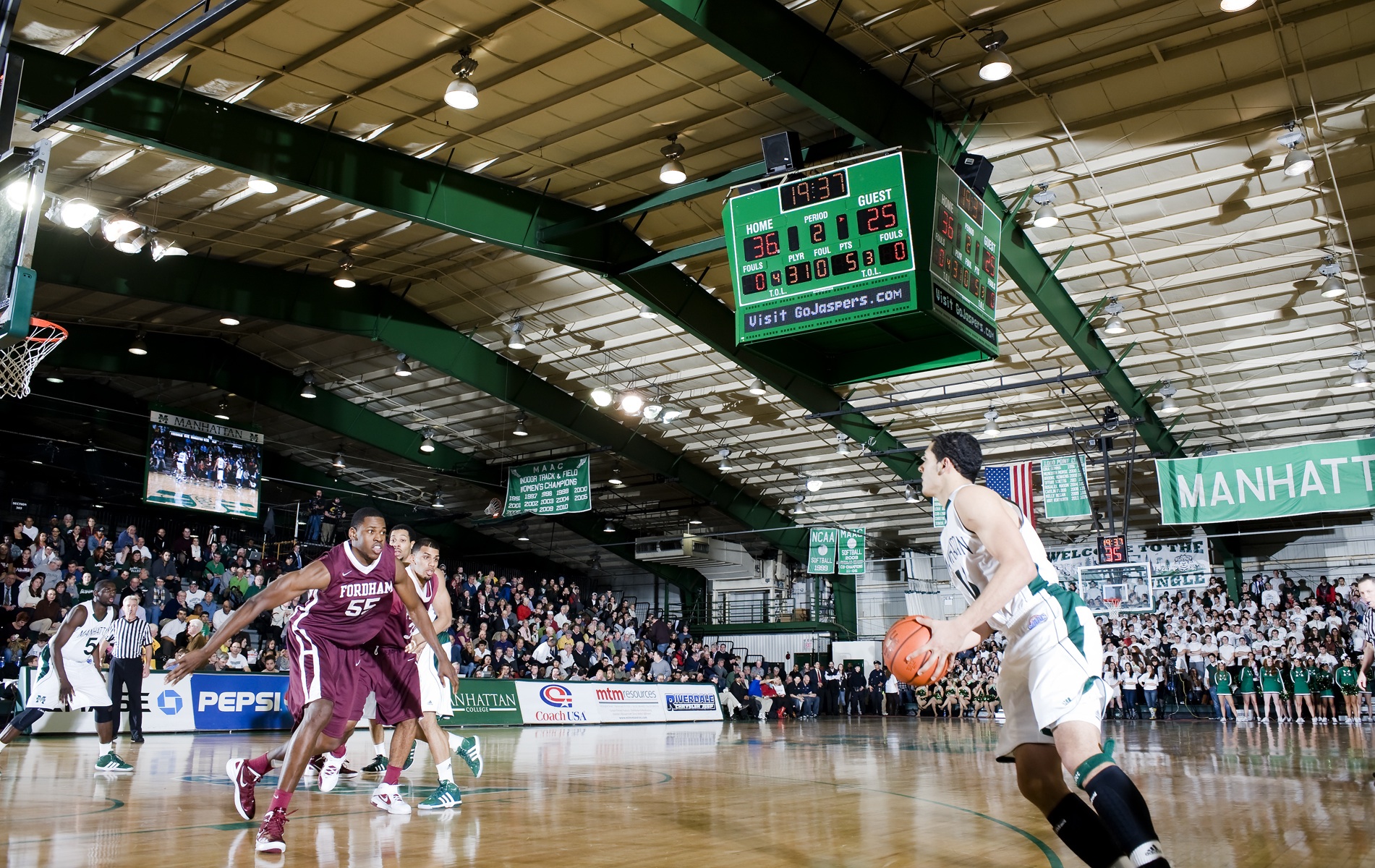
Earlier this week, in a first for college athletics, the Tennessee men’s basketball team released a non-binding collective bargaining framework negotiated between several player representatives, school administrators, and Athletes.org (AO), a players’ advocacy organization.
The term sheet resulted from multiple rounds of negotiations with University of Tennessee administrators, including Athletic Director Danny White. In June, before beginning negotiations, the men’s basketball team elected three players—graduate student Tyler Lundblade, junior Campbell Duncan, and freshman DeWayne Brown II—to represent them at the bargaining table. Those three players then worked with AO over the summer to develop proposals to bring to school leadership. In August and September, the player representatives and AO met several times with Tennessee’s Athletic Department, ultimately resulting in a term sheet that was endorsed by the entire men’s basketball team and supported by school administrators. Despite being a mock exercise, AO designed the process to resemble collective bargaining as much as possible.
The term sheet generally covers concepts also found in collective bargaining agreements from professional sports. Most crucially, the framework would replace current revenue-sharing arrangements and school-affiliated NIL deals with contracts that explicitly pay athletes for providing athletic services. The term sheet also proposes both a salary cap and spending floor, a freshman pay scale similar to the rookie wage scale in professional leagues, guaranteed medical coverage, a single transfer window taking place after the national championship game, and an enforcement and arbitration system. A complete summary of the term sheet can be found on AO’s website.
Players and university administrators positioned the exercise as the next step towards establishing a collective bargaining framework for all of college athletics. DeWayne Brown II, one of the player representatives during negotiations, argued that the exercise is a “stepping stone for more college athletics to replicate our process with their own schools.” Tennessee Athletic Director Danny White also sees a future for collective bargaining, stating: “We are going to be at a CBA at some point . . . Giving student-athletes a voice doesn’t have to be something we are afraid of. They want a lot of the same things we want.”
Even before this exercise, athletes had been organizing for the right to bargain. In July, the Stanford football team established the first chapter of the College Football Players Association, an organizing group that one day hopes to bargain on athletes’ behalf with the various athletic conferences. That same month, the Oregon State women’s basketball team, in partnership with the United College Athletes Association, filed a petition for union recognition with the Oregon Employment Relations Board. Oregon State has opposed the petition, arguing that the players do not qualify as public employees under state law.
With the Protect College Sports Act (PCSA) facing long odds in the House, Tennessee’s experiment offers an alternative vision for the future of college sports—one that not only addresses many of the issues covered in the PCSA but also gives athletes a direct say in shaping the rules that govern them. As AO co-founder Brandon Copeland put it, “If we repeated this process with every Power Four university today, we could solve most of college sports’ problems by tomorrow afternoon.”





Daily News & Commentary
Start your day with our roundup of the latest labor developments. See all
November 12
Harvard graduate students go on strike; New York city mayor prepares to negotiate with the city's largest public union; the Trump administration proposes stringent rules for workers seeking benefits.
November 11
MIT grad union avoids strike, Colombian union clashes with Nestlé, and DOL proposes stricter UI requirements.
November 10
The White House nominates new EEOC and FTC commissioners; casino workers at Encore Boston Harbor ratify a new contract ending a two-month strike.
November 9
Democratic gains in Congress likely spell the end of the Protect College Sports Act; IBEW endorses the Bipartisan American Affordability and Jobs Act.
November 8
Democratic midterm victories at the federal and state level create legislative opportunities for workers and unions.
November 6
Transport Workers Union denounces Amtrak’s new policy permitting passengers to carry guns onboard; Texas Democrat wins offer hope for labor in the state.