

Sophia is a student at Harvard Law School and a member of the Labor and Employment Lab.
In today’s news and commentary, NYC unions urge Mamdani to veto anti-protest “buffer zones” bill; 40,000 unionized Samsung workers rally for higher pay; and Labubu dolls found to contain cotton made by forced labor.
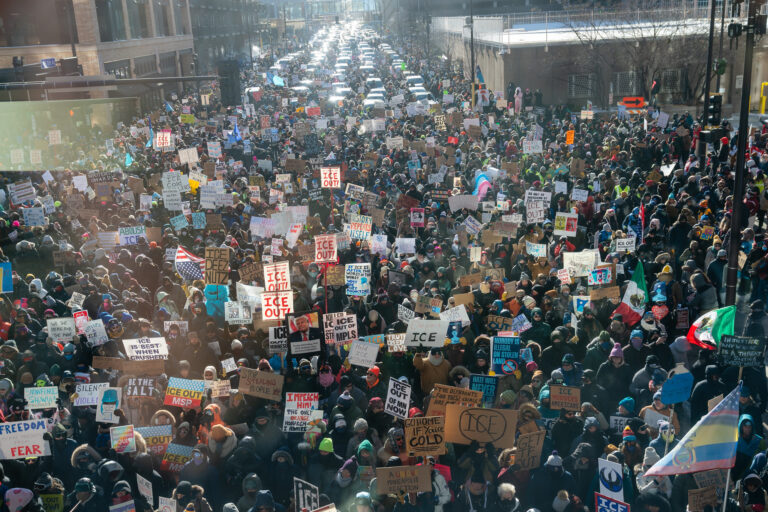
Mayor Mamdani is set to veto a City Council bill that would create anti-protest “buffer zones” around schools and educational facilities. Last month, the New York City Council passed a pair of bills that would create “security perimeters” for protests around places of worship and educational facilities. The bill concerning buffer zones around religious sites passed 44 to 5 (a veto-proof majority), while 175-B—the school buffer-zone legislation—passed 30 to 19, allowing Mayor Mamdani an opportunity to veto it. Last week, New York City union and labor leaders met with City Hall officials urging the bill’s veto, arguing that the law’s definition of “educational facility” was so overbroad that it would effectively apply to any building in the city, including over 200 public libraries, thus greatly infringing on free speech and assembly.
Yesterday, semiconductor production at Samsung Electronics fell 18.4 percent in a single day in South Korea due to a rally attended by 40,000 unionized workers. The union is demanding that the company distribute 15 percent of its operating profit to its workers and abolish its cap on bonuses, otherwise it will begin an 18-day strike next month. Earlier this month, Samsung Electronics announced that its expected first-quarter earnings would surpass its entire profit for last year. The boom in profit is due in part to surging demand for semiconductors, which are a critical part of artificial intelligence infrastructure. If negotiations prove unsuccessful, an ensuing strike would cost the company over $700 million per day in halted production.
A test confirmed by the New York Times revealed that clothes for some Labubu dolls contain cotton banned under a forced labor law in the United States. In 2021, Congress passed the Uyghur Forced Labor Prevention Act, which prohibits the import of products made in the Xinjiang due to findings that the Chinese Communist Party subjects Uyghurs to “genocide, state-imposed forced labor, and crimes against humanity” in that region of China. Violators of the Act may be placed on a blacklist that bans selling all of their products in the U.S. The craze over Labubus began around April 2024 and generated over $419 million in revenue for its parent company Pop Mart.
Daily News & Commentary
Start your day with our roundup of the latest labor developments. See all
April 24
NYC unions urge Mamdani to veto anti-protest “buffer zones” bill; 40,000 unionized Samsung workers rally for higher pay; and Labubu Dolls found to contain cotton made by forced labor.
April 23
Trump administration wins in 11th Circuit defending a Biden-era project labor agreement rule; NABTU convenes its annual legislative conference; Meta reported to cut over 10% of its workforce this year.
April 22
Congress introduces a labor rights notification bill; New York's ban on credit checks in hiring takes effect; Harvard's graduate student workers go on strike.
April 21
Trump's labor secretary resigns; NYC doormen avoid a strike; UNITE HERE files complaint over ICE concerns at FIFA World Cup
April 20
Immigrant truckers file federal lawsuit; NLRB rejects UFCW request to preserve victory; NTEU asks federal judge to review CFPB plan to slash staff.
April 19
Chicago Teachers’ Union reach May Day agreement; New York City doormen win tentative deal; MLBPA fires two more executives.