
Gurtaran Johal is a student at Harvard Law School.
In today’s news and commentary, the WNBPA unanimously votes to ratify the league’s new CBA; NYU professors begin striking; and a district court judge denies the government’s motion to dismiss a case challenging the Trump administration’s mass revocation of international student visas.
As Mila Rostain reported, on March 18th, the WNBA and Women’s National Basketball Players Association (WNBPA) reached a verbal agreement on a new collective bargaining agreement. On Monday, WNBA players voted to ratify the new collective bargaining agreement, with the result being a unanimous yes. More than 90% of players participated in the vote. The next step is for the WNBA Board of Governors to approve the CBA terms. The new CBA contains a revenue-sharing model, and the salary cap for the upcoming season will be $7 million, which is subject to change based on team and league revenue growth. It also includes increases to the minimum and maximum salaries, with the average salary expected to be $583,000 in 2026. Additionally, it provides increased investments in team facilities, housing support, travel accommodations, and family planning.
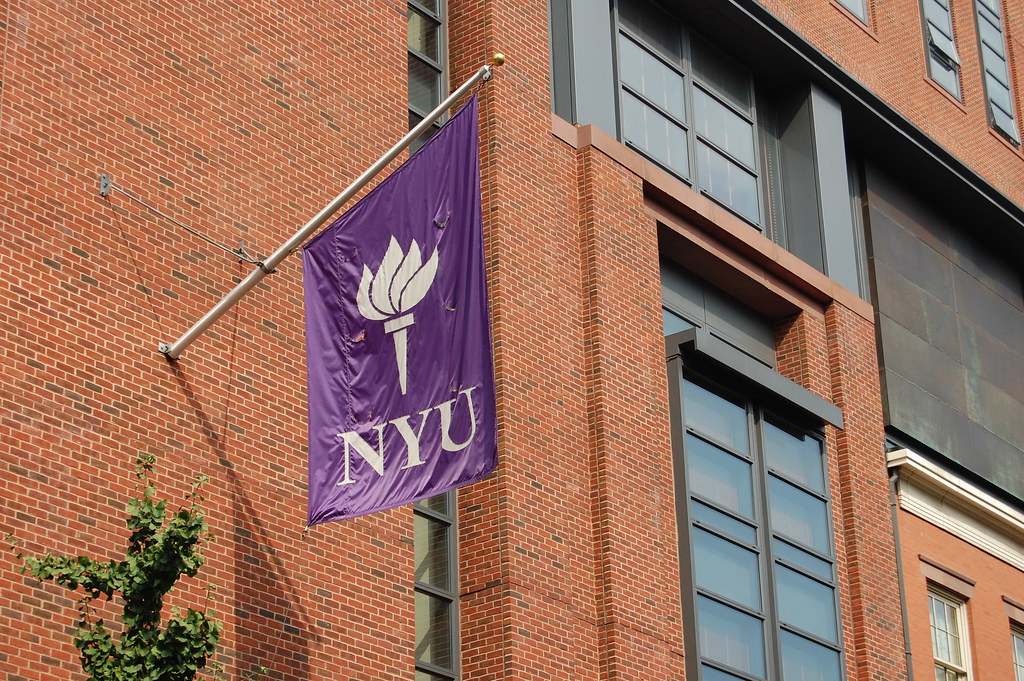
Meanwhile, on Monday, hundreds of New York University (NYU) professors began a strike over a contract dispute. 950 full-time faculty members who are not on track to earn tenure began the strike. The professors are members of Contract Faculty United-UAW, and they argue that they receive far less pay than their colleagues who are on a tenure track. They are seeking a pay increase, job protections, and housing assistance given the high cost of housing in New York. The strike will be disruptive, with approximately 25% of classes expected to be impacted. However, the university has planned for qualified substitute instructors or trained administrators to preside over these classes. The union’s spokesperson stated that the strike would continue until the bargaining committee reached terms that it could present to its members for a ratification vote.
Lastly, Judge Patti Saris of the U.S. District Court for the District of Massachusetts denied the government’s motion to dismiss a complaint that the Presidents’ Alliance on Higher Education and Immigration filed challenging the Trump administration’s mass revocation of international student visas. Plaintiffs argued that the Department of State’s decision to rescind student visas was arbitrary and capricious, and the Department of Homeland Security’s subsequent termination of status violated the Administrative Procedure Act (APA). Judge Saris rejected the government’s arguments that plaintiffs lacked standing and that the lawsuit was moot. She also found that the actions are subject to judicial review, a point that the Justice Department tried to dispute.

Daily News & Commentary
Start your day with our roundup of the latest labor developments. See all
September 22
Judge blocks ICE raids in Alabama; Chicago hotel workers vote to strike; AutoZone workers look to create first union
September 21
In today’s News and Commentary, the Seventh Circuit raises the bar for the NLRB to obtain preliminary injunctions, the California Primary Care Association sues SEIU-UHW for racketeering, and the Seventh Circuit finds that an employer group and think tank do not have standing to challenge an Illinois law banning captive audience meetings. On Friday, the […]
September 20
Culinary Workers Union members protests union leadership; lawsuit against OpenAI and Microsoft reveal internal concerns about the threat of AI training to human labor.
September 17
Unions push to block Google from buying Spirit Airlines employment records; U.S. Department of Labor sues Oklahoma coffee chain over alleged wage violations.
September 16
Trump nominates Catherine Eschbach as EEOC general counsel; NLRB declines to resolve union work-assignment dispute; Allina Health physicians begin four-day strike.
September 15
Documents reveal the inner workings of Amazon's union avoidance program; Washington state public sector unions reach tentative deals amid a difficult bargaining cycle; hundreds of Nevada Culinary Union members protest their union's health care changes.