
Anjali Katta is a student at Harvard Law School.
In today’s news and commentary, Bloomberg reports on a drop in unionization, Starbucks challenges an NLRB ruling, and a federal judge blocks DHS termination of protections for Haitian migrants.
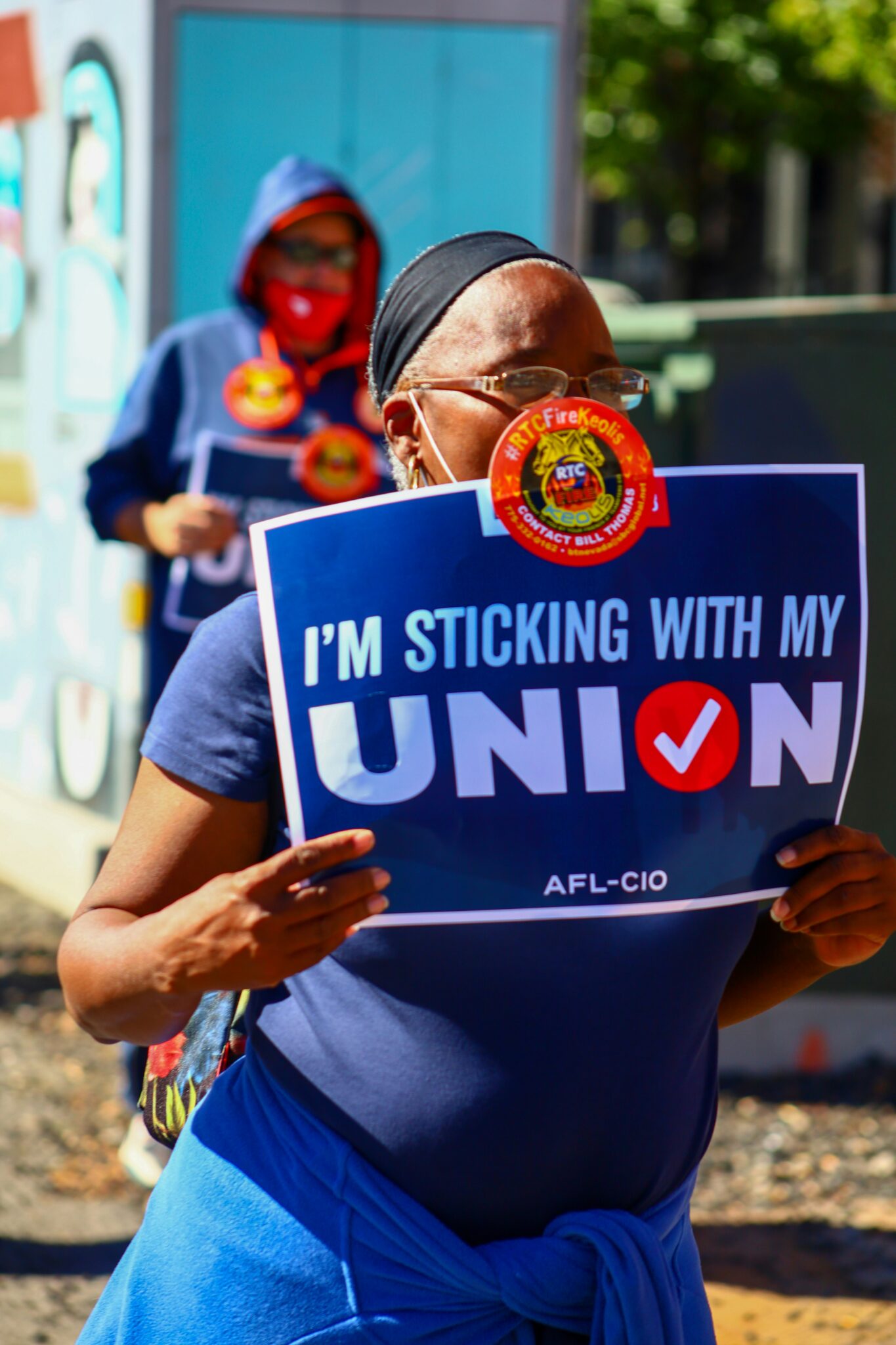
Volatile economic conditions and a shifting political climate drove new union membership sharply lower in 2025, according to a Bloomberg Law report analyzing trends in labor data. Union elections fell to 1,372, down from 1,938 in 2024 and the lowest total since 2021, while union win rates dropped nearly 27%, the first decline since 2020. As a result, the number of workers newly organized through National Labor Relations Board elections fell almost 40% to about 65,500. After a post-pandemic surge, organized labor now faces mounting difficulties, including a cooling job market, heightened economic uncertainty, and a more management-friendly federal environment. Attorneys and academics said these pressures may discourage workers from pursuing collective action as they prioritize job stability. Political divisions, tariff policies, and turmoil at the NLRB, including quorum issues and budget constraints, likely also weighed on organizing, though some observers said restored board functionality could modestly improve prospects in 2026.
A federal appeals court appeared divided during oral arguments over Starbucks’s challenge to an NLRB ruling that the company illegally fired a worker for union activity. A Fifth Circuit judge suggested Starbucks faced an uphill battle in asking the panel to revisit extensive evidence already reviewed by an administrative law judge and the NLRB, noting the record was replete with memos, testimony, and disputed conduct. By contrast, another judge questioned whether the board had adequately addressed evidence cited by Starbucks, echoing arguments from the company’s counsel that favorable material was ignored. The case is one of six NLRB decisions Starbucks brought in the Fifth Circuit. The NLRB ruled in 2024 that Starbucks unlawfully fired a shift supervisor involved in organizing a New York store, relying on prior incidents as pretext.
A federal judge temporarily blocked the Trump administration from ending deportation protections for more than 350,000 Haitian immigrants just hours before they were set to expire. The court ruled that plaintiffs are likely to succeed in their claim that DHS’s decision to terminate Temporary Protected Status (TPS) for Haiti was arbitrary and capricious under the Administrative Procedure Act. The order preserves TPS holders’ lawful status and work authorization while litigation continues.




Daily News & Commentary
Start your day with our roundup of the latest labor developments. See all
November 25
In today’s news and commentary, the DOL bars ESG investing in 401(k) plans, the Fifth Circuit rules the Pregnancy Workers Fairness Act was unconstitutionally passed, and the EEOC repeals workforce data requirements for federal agencies. On Tuesday, the Department of Labor published a proposed rule that would prohibit 401k plans from taking into account ‘environmental, […]
November 24
Labor Department finalizes a new independent contractor rule; Broadway wardrobe workers authorize a strike; President Trump's EEOC nominee lacks the Senate votes to advance.
November 23
New York City’s teachers’ union announces intent to sue the city’s main pension fund; Teamsters win nearly $100 million arbitration award against Union Pacific Railroad; security workers at two busy California ports reach tentative contract agreement.
November 22
Research from the Rutgers Workplace Justice Lab finds that states are failing to use their wage theft enforcement powers, and global union leaders call for governments to review contracts with Amazon and AWS.
November 19
Harvard academic workers end strike without contract; Reuters journalists authorize a strike; Spirit Airlines’ sale of employee data to Google for AI training approved.
November 18
Judge vacates foreign-student visa limits; DOL proposes QPAM relief; Supreme Court declines Nexstar appeal.