
Miriam Li is a student at Harvard Law School and a member of the Labor and Employment Lab.
In today’s news and commentary, the Second Circuit affirmed the dismissal of former college athletes’ antitrust suit against the NCAA, UPS will invest $120 million in truck-unloading robots, and Professor Sharon Block argues there are reasons for optimism about labor’s future.
On Monday, a group of former college basketball players lost their bid to revive an antitrust suit against the NCAA. In a summary order, the Second Circuit affirmed the lower court’s dismissal, concluding that the plaintiffs’ claims were barred by the four-year statute of limitations. The plaintiffs alleged that the NCAA used their names, images, and likenesses (NIL) without compensation, and that the defendants had long maintained an anticompetitive arrangement to suppress the market for footage and images of student-athletes’ past performances. The ruling dismisses the case with prejudice, including claims brought by lead plaintiff Mario Chalmers, known for the late shot (“Mario’s Miracle”) in the 2008 national championship between Kansas and Memphis. On appeal, Chalmers argued that the continuing-violation doctrine should restart the limitations clock each time the NCAA used the players’ NIL for commercial purposes, but the three-judge panel rejected that theory, concluding that the alleged misconduct ended, at the latest, in June 2016.
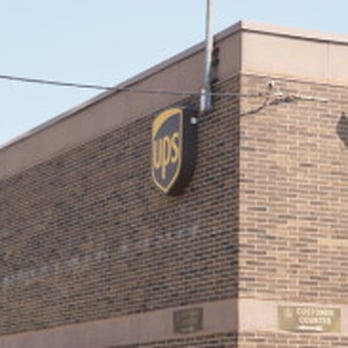
Meanwhile, UPS will invest $120 million in truck-unloading robots as part of a broader automation push. Pickle Robot Co., a technology company that UPS began working with in 2018, says the robots use a robotic arm mounted on a mobile base that can lift boxes of up to 50 pounds. The multi-million-dollar purchase follows UPS’s 2024 announcement of a four-year, $9 billion plan to invest in automation projects at more than 60 U.S. facilities nationwide. This year, UPS has closed daily operations at 93 facilities and cut 34,000 jobs as part of a cost-savings initiative aimed at removing less-profitable business from its network. While some experts have warned that automation will increasingly drive mass layoffs in logistics and transportation industries, UPS says automation will “make [jobs at UPS facilities] easier, safer, and offer a better overall experience.” UPS reportedly plans to deploy Pickle robots at multiple facilities in the second half of 2026 and into 2027, though the company noted in a statement to Bloomberg that the contract terms are confidential and that further purchases will depend on successful tests.
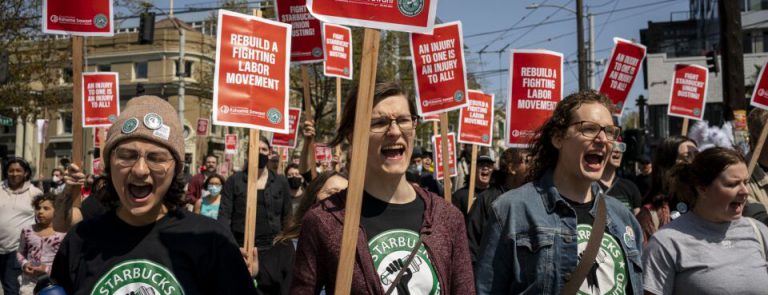
Finally, Harvard Law School professor and former NLRB member Sharon Block argued that, despite decades of declining union density, there are reasons to be optimistic about labor’s future. In a recent Wall Street Journal feature with George Mason professor Veronique de Rugy, Block pointed to growing public skepticism of corporate power, longstanding pro-union sentiment, and emerging bipartisan interest in labor-law reform. While de Rugy argues that “unions in their current form haven’t served the modern worker well,” Block stressed that organized labor’s agenda is tightly intertwined with workers’ political and economic interetst. “Since unions are the only mechanism by which workers can aggregate their political power,” Block explained, “any suggestion that organized labor’s role in politics isn’t serving workers well is to suggest that workers should cede even more ground to the interests of the wealthiest individuals and corporations.”

Daily News & Commentary
Start your day with our roundup of the latest labor developments. See all
September 17
Unions push to block Google from buying Spirit Airlines employment records; U.S. Department of Labor sues Oklahoma coffee chain over alleged wage violations.
September 16
Trump nominates Catherine Eschbach as EEOC general counsel; NLRB declines to resolve union work-assignment dispute; Allina Health physicians begin four-day strike.
September 15
Documents reveal the inner workings of Amazon's union avoidance program; Washington state public sector unions reach tentative deals amid a difficult bargaining cycle; hundreds of Nevada Culinary Union members protest their union's health care changes.
September 14
NCAA and Big Ten file motion to dismiss in former star player's NIL suit; Seventh Circuit rules against former postal worker in discrimination suit.
September 13
Documents released on the 25th anniversary of the 9/11 attacks show that city officials encouraged workers to return to Ground Zero despite knowing the risks of asbestos exposure, and new polls demonstrate continued widespread support for labor unions.
September 10
Amazon workers allege pregnancy discrimination; federal unions challenge USDA reorganization; NYC warns of silicosis risks.