
Ajayan Williamson is a student at Harvard Law School.
In today’s news and commentary, the EEOC resumes processing transgender workers’ discrimination complaints; the Senate questions Trump’s nominee for NLRB General Counsel; and South Korean unions strike for legislative reforms.
On Tuesday, the Associated Press reported that the Equal Employment Opportunity Commission has resumed processing discrimination complaints from transgender workers. The move follows reporting from earlier this year that the EEOC had deprioritized transgender workers’ complaints across the board, effectively pausing them indefinitely. The AP reports that as of July, the EEOC will resume processing complaints that “fall squarely under” Bostock v. Clayton County, the Supreme Court decision that extended Title VII’s protections to LBGTQ workers. The reasons for the reversal are unclear, but the EEOC will still be subjecting these claims to a stricter review process that requires individual approvals from EEOC Chair Andrea Lucas, a noted skeptic of transgender rights.
Yesterday, the Senate Committee on Health, Labor and Pensions held a nomination hearing on Crystal Carey, Trump’s nominee for General Counsel of the NLRB. Carey is currently in private practice at the law firm Morgan Lewis, which has argued against the NLRB’s constitutionality on behalf of clients like SpaceX and Amazon; at the hearing, she declined to comment on the topic, saying that constitutionality was a question for the courts. Carey also faced pushback against her criticisms of the Biden NLRB’s decisions — most notably from Republican Senator Josh Hawley, who pressed Carey on her criticism of the NLRB’s decision banning captive audience meetings. Republicans a slim majority on the committee, and if Hawley opposes Carey, then her nomination could fail.
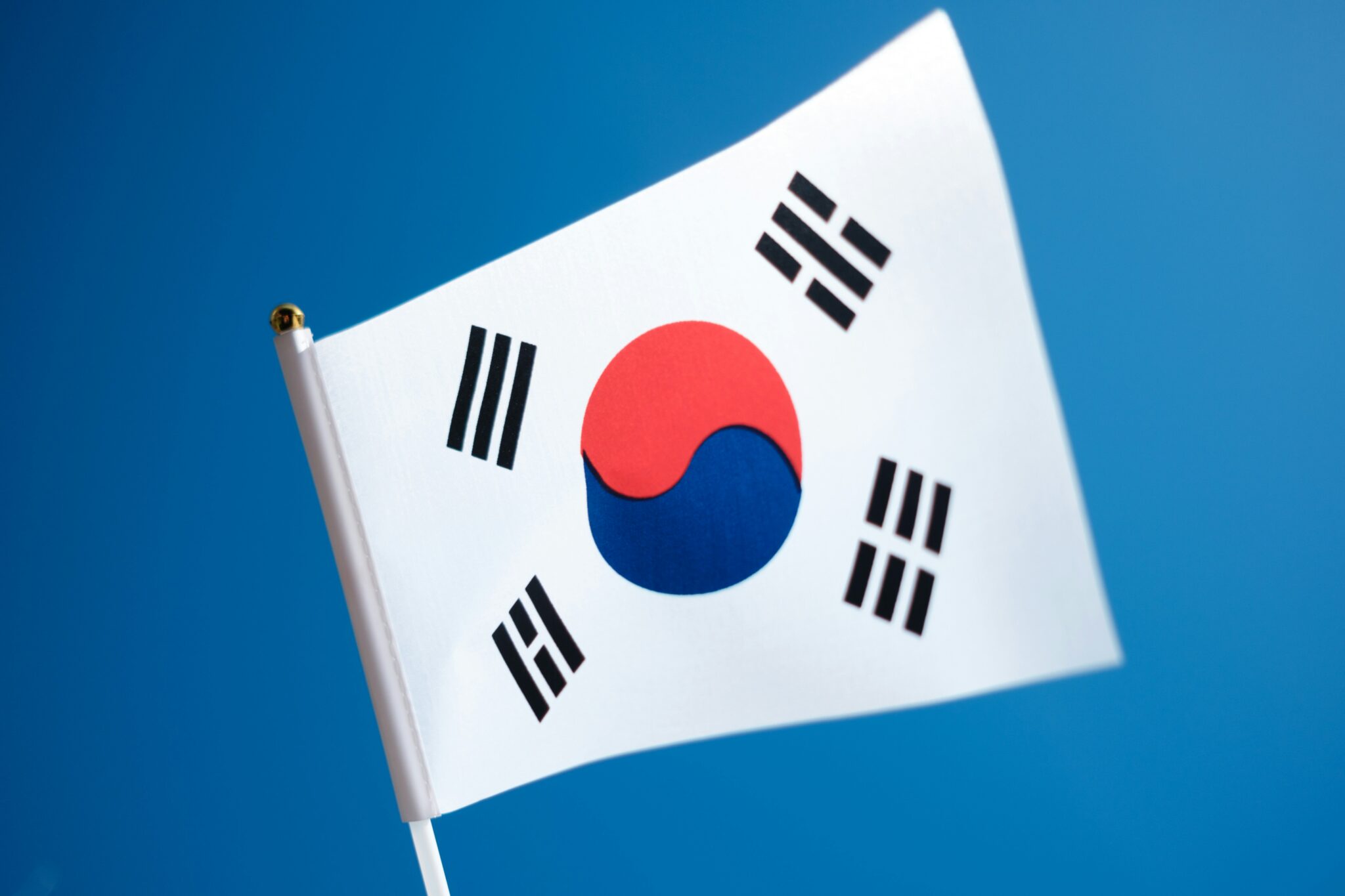
Finally, South Korea’s second largest union launched strikes and demonstrations yesterday to pressure the South Korean government to pass the “Yellow Envelope Law,” a major labor reform package. The Korean Confederation of Trade Unions (KCTU) has over 1.2 million members in South Korea and expected tens of thousands to participate in the demonstrations held across the country. The proposed law would restrict employers’ ability to sue unions for damages caused by strikes and other actions; expand the definition of “employer” to cover outsourcing and subcontracting; expand the definition of “employee” to cover freelancers and gig workers; and expand the set of employment disputes during which strikes are permitted. South Korea’s previous president vetoed versions of the bill, but current President Lee Jae Myung — a former factory worker himself — is expected to support the bill if it passes through parliament.



Daily News & Commentary
Start your day with our roundup of the latest labor developments. See all
August 26
Trump administration proposes $103,000 H-1B visa fee after court blocks earlier attempt; Illinois governor signs law enabling state investment in AFL-CIO housing trust; Deloitte pays $21.5 million to settle DOJ probe alleging DEI-related discrimination in federal contracts.
August 25
Hyundai workers reach a tentative agreement; Federal-sector unions sue the Trump Administration over OPM rule changes; Federal judge dismisses a teachers’ union free speech suit.
August 24
Boeing engineers and technicians reject contract proposals and authorize a strike; Ninth Circuit holds that unions charged under 8(b)(4)(D) cannot invoke the work-preservation defense to disregard 10(k) determination.
August 23
Hyundai Motors workers launch full-day strike; federal judge rules in favor of Vermont dairy plant in closure dispute
August 21
Tyson workers respond to abrupt plant shutdown; DOL ends its power to police federal contractor bias.
August 20
Unions sue the government over new visa rule; Judge declines to dismiss former Amazon worker's suit.