
In today’s news and commentary, President Trump seeks to nullify recent collective bargaining agreements with federal workers, Trump fired the NLRB’s acting General Counsel, Costco and the Teamsters reach a tentative deal averting a strike, and Black History Month began yesterday with the theme African Americans and Labor.
President Trump instructed agency leaders to reject tentative collective bargaining agreements reached with unionized federal workers during the final 30 days of President Biden’s term. Trump called the agreements “lame-duck CBAs” and said they were purposefully negotiated “in an effort to harm [his] administration by extending wasteful and failing policies beyond its time in office.” It remains unclear how many agreements are impacted by this proposed policy, but specifically cites a Department of Education agreement reached three days before Trump took office. The American Federation of Government Employees (AFGE), the union representing many federal workers, issued a statement on Friday night reminding workers that “approved union contracts are enforceable by law, and the president does not have the authority to make unilateral changes to those agreements.” The Union has promised to aggressively defend against violations of its contracts.
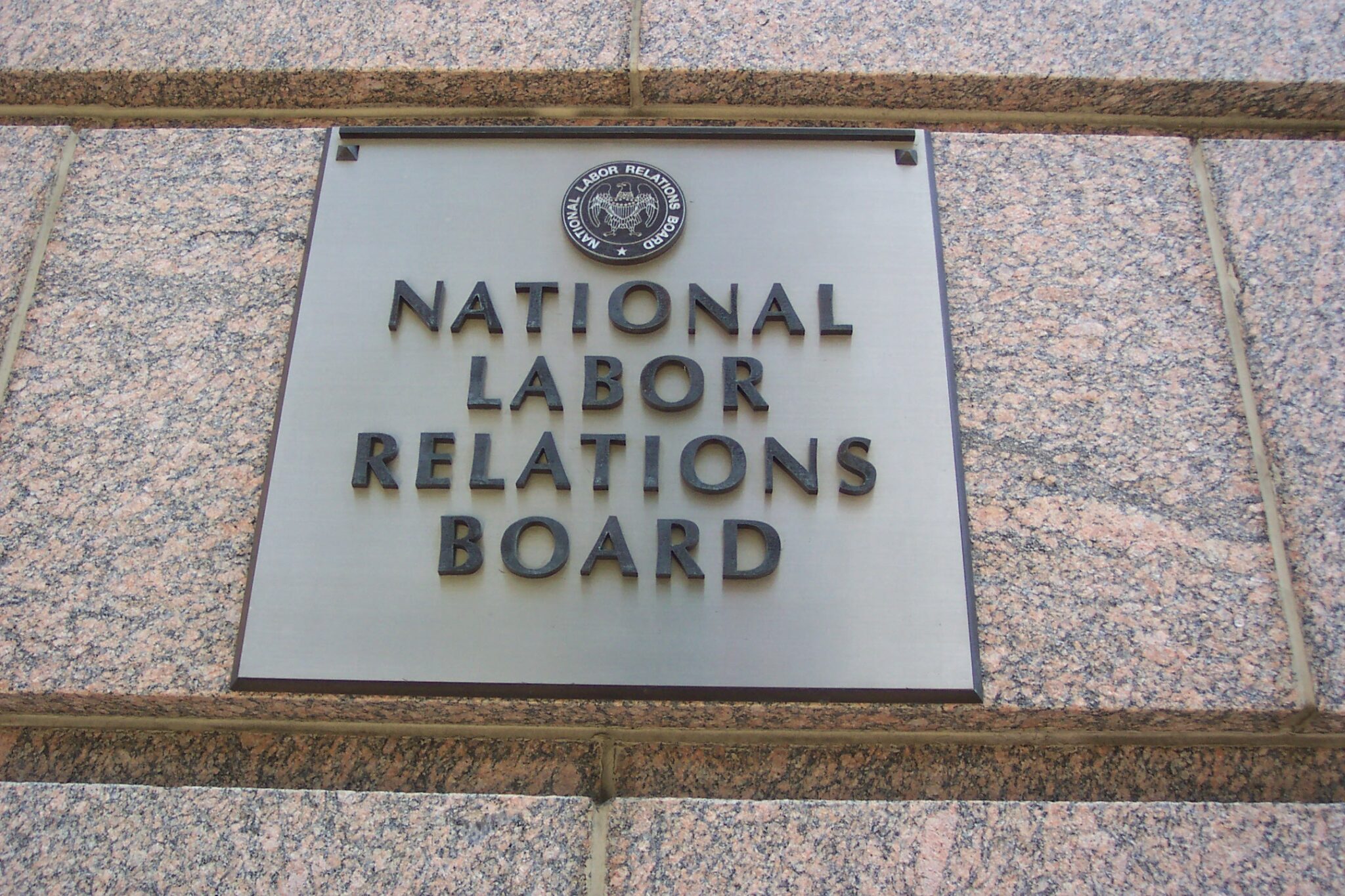
However, such challenges against contract violations and unfair labor practices may prove to be a difficult strategy in the years ahead. On Saturday, The National Labor Relations Board confirmed that President Trump had fired acting General Counsel Jessica Rutter. This comes just days after the firing of General Counsel Jennifer Abruzzo and the unprecedented removal of Board Member Gwynne Wilcox. Without Member Wilcox, the Board lacks a quorum and is therefore unable to issue decisions until a new member is appointed and confirmed. Trump has yet to announce replacements for these positions.
Costco and the Teamsters reached a tentative agreement avoiding what could have been the largest ever strike at the company. The Teamsters represent about 8% of Costco’s 219,000 employees, with organized stores in six states: Maryland, New Jersey, New York, Virginia, California and Washington. Just two weeks ago, members voted overwhelmingly to authorize a strike in the event that the parties could not reach agreement by the time the National Master Agreement expired on January 31. A few hours after expiry, the parties announced that a tentative agreement had been reached. Costco recently announced wage increases at non-unionized stores. Full terms of the tentative deal have not been released. Rank-and-file members must still ratify the agreement.
Black History Month began yesterday. Each year, The Association for the Study of African American Life and History releases a theme for the month. This year, the theme is African Americans and Labor. The organization, which founded Black History Month, plans to use this month, and the rest of the year, educating on the role of Black labor in building the nation. The theme encourages folks to reflect on the intersections between Black people’s work and their workplaces and calls attention to the “free and unfree, skill and unskilled, vocational and voluntary” work that Black people have done since the nation’s founding. This is the 100-year anniversary of A. Philip Randolph’s founding of the Brotherhood of Sleeping Car Porters and Maids, the first Black union to receive a charter in the American Federation of Labor. Groups celebrating Black History Month are incorporating the theme in their commemorations.



Daily News & Commentary
Start your day with our roundup of the latest labor developments. See all
August 11
Rideshare drivers nearing union certification in California; UFCW campaigns against electronic shelf labels; Teamsters support NYC delivery driver bill.
August 10
Employee sues for a fossil-fuel-free 401(k) plan as a religious accommodation; DHS submits a proposed rule eliminating 60-day grace period for H-1B workers; Eighth Circuit dismisses constitutional challenge to the FMSHRC.
August 7
Starbucks beats claims it denied shifts to union workers; Center for State Labor Innovation aims to address labor law shortcomings.
August 6
Taylor Farms faces scrutiny over labor practices; Bipartisan labor bill gains momentum.
August 5
Clash over potential change to Canada’s labor code; Harvard’s Center for Labor and a Just Economy releases model sectoral bargaining laws; NJ sues Amazon for antitrust violations.
August 4
WestJet reaches a deal to end a flight attendant strike; the NLRB rules Whole Foods legally banned Black Lives Matter display; a commentary argues college athletes should have the right to collectively bargain.