Gilbert Placeres is a student at Harvard Law School.
In today’s News & Commentary, the NLRB finalizes its Fair Choice-Employee Voice rule, workers at the first unionized Apple store reach a tentative contract, and the Ninth Circuit rules online harassment can constitute workplace harassment.
On Friday, the National Labor Relations Board issued its Fair Choice-Employee Voice Final Rule restoring three policies the Board had done away with under the Trump administration. Firstly, it restores the pre-2020 practice on blocking charges before an election, whereby a Regional Director is able to delay an election if an unfair labor practice is serious enough to interfere with employee free choice. Secondly, it eliminates a mandatory 45-day window, created in 2020, during which a minority of workers could demand an election after an employer had chosen to recognize a union supported by a majority of employees. Lastly, it eases the ability of unions in the construction industry, which are sometimes regulated differently due to the transitory nature of that work, to gain the same voluntary recognition protections as other workers.
“Today’s rule restores the Board’s prior law, including longstanding principles that ensure a fair process for workers to choose whether they want representation, and provide a better foundation to allow collective bargaining relationships to thrive,” said Chairman Lauren McFerran. The new rule will take effect on September 30th and only be applied to cases filed after that date.
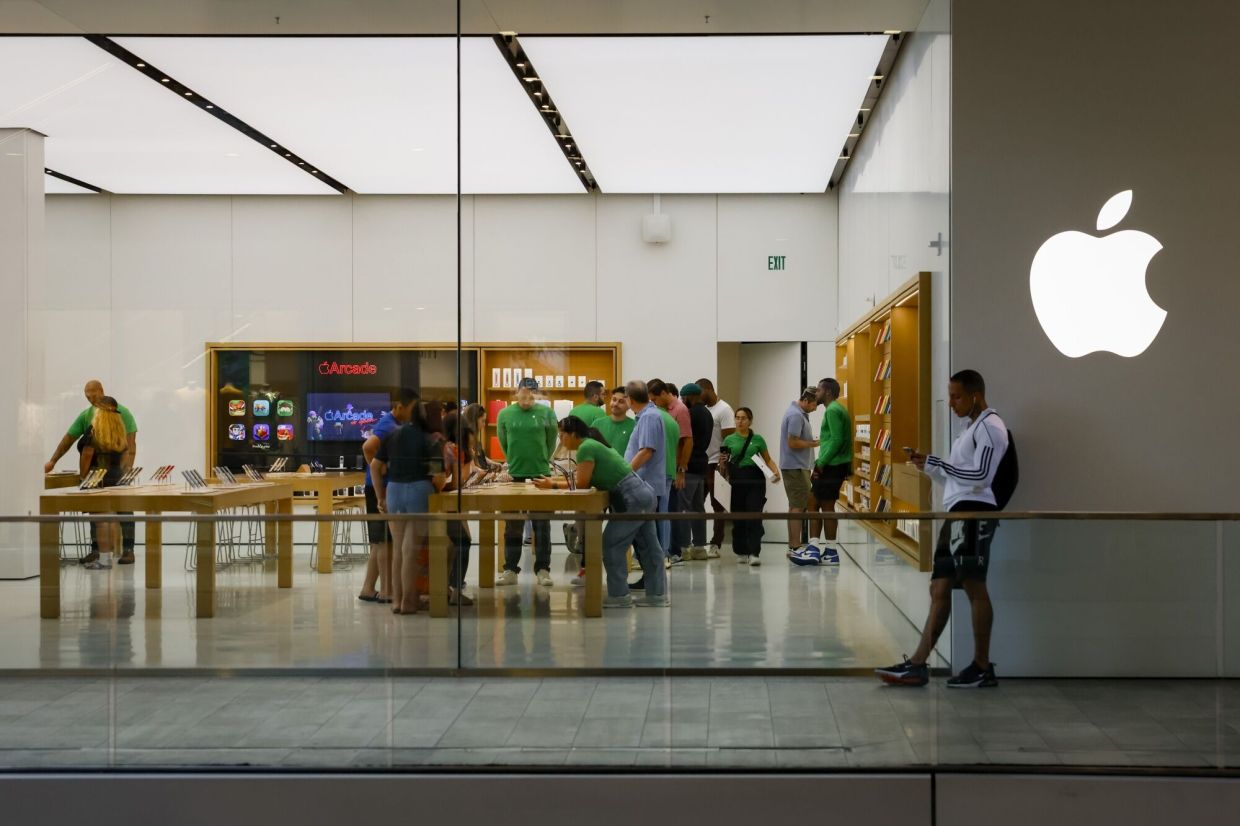
Workers at the first unionized Apple store, in Towson, Maryland, have reached a tentative contract with the tech giant. The International Association of Machinists and Aerospace Workers’ Coalition of Organized Retail Employees (IAM CORE) announced a three-year deal that will increase pay an average of 10%, provide disciplinary protections, and institute scheduling, severance, and sub-contracting rules. The agreement comes after the workers had voted to authorize a strike in May. “By reaching a tentative agreement with Apple, we are giving our members a voice in their futures and a strong first step toward further gains,” the union’s negotiating committee said in a statement. “Together, we can build on this success in store after store and grow the power IAM CORE has started here in Maryland.” The employees will vote on approving the contract on August 6th.
The Towson location, which unionized in June 2022, is one of only two unionized Apple stores in the country. The second store, in Oklahoma City and unionized with the Communication Workers of America, has not yet secured a contract though a bargaining committee member there says only a few issues remain outstanding. How employees at other Apple stores view these contracts could spur or inhibit future union drives.
Lastly, employers may be held liable for harassment that occurs outside of the physical workplace under Title VII of the Civil Rights Act, according to a Ninth Circuit ruling. At issue was a sex harassment lawsuit filed by a federal prison staff psychologist against a corrections lieutenant who made sexually explicit posts referencing co-workers on his Instagram page. The ruling aligns with the Equal Employment Opportunity Commission’s newly finalized enforcement guidance on harassment, which said that while employers generally aren’t responsible for employees’ conduct outside of the workplace they may still be liable when the conduct affects an employee’s ability to perform their jobs.




Daily News & Commentary
Start your day with our roundup of the latest labor developments. See all
October 5
Delaware bans captive audience meetings; EEOC settles remote work national origin discrimination claim; First Circuit stays enforcement order in VA's dispute with AFGE.
October 4
Boston nurses announce open-ended strike; federal judge restores federal prison workers' union protections; St. Louis workers form the first movie theater union in Missouri.
October 2
Gov. Newsom signs bill regulating AI in workplace; federal judge blocks Trump's $100,000 H-1B visa fee.
October 1
Senate confirms Keith Sonderling as Labor Secretary; Amazon warehouse workers launch an unfair labor practice strike.
September 30
Harvard grad union wins in First Circuit; AI data trainers initiate misclassification suits; Trader Joe’s found liable under ERISA.
September 29
Unions, AI companies, and private equity firms form a new coalition to shape data center policies; unions express support for the Paramount-Warner Bros. merger.