
John Fry is a student at Harvard Law School.
In today’s news and commentary, the NLRB’s Cemex standard could complicate 10(j) petitions; New York City bans weight and height discrimination; and Nissan raises wages following the new UAW contract.
The National Labor Relations Board’s new Cemex standard for remedial bargaining orders might make it harder for the Board to seek temporary injunctions in federal court, Bloomberg Law reports. Section 10(j) of the National Labor Relations Act allows the Board to seek injunctions in cases where the slow pace of the Board’s own proceedings creates a risk of “remedial failure.” For example, an employer who fires a union supporter during an election could be enjoined from firing other union supporters until the conclusion of the election or the conclusion of unfair labor practice (ULP) proceedings at the Board. However, under Cemex, employers who commit ULPs during elections may be ordered to bargain, even when unions lose the elections. Federal district courts may therefore decide that 10(j) injunctions are less needed, since Cemex strengthens the Board’s remedial arsenal.
New York City’s ban on weight and height discrimination in employment takes effect tomorrow. Only two U.S. states and a handful of cities currently prohibit weight discrimination. The law tasks the city with crafting regulations to exempt certain employers in industries where a “person’s height or weight could prevent performing the essential requisites of the job,” but these regulations have not yet been promulgated. As with race and sex discrimination under Title VII of the Civil Rights Act, businesses cannot escape the law by claiming that their customers prefer to interact with employees of a certain height or weight.
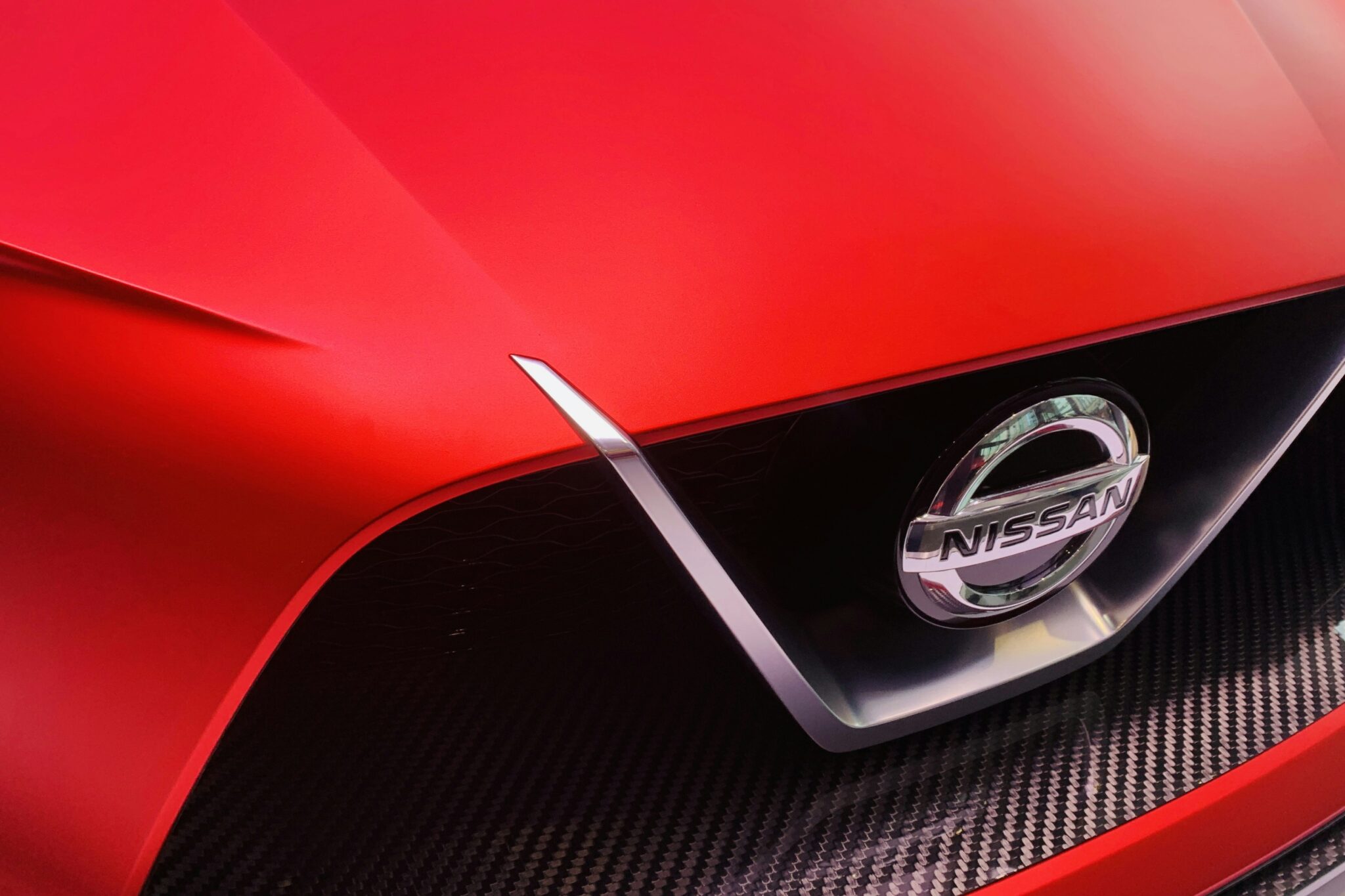
Nissan is the latest non-union automaker to hike its pay after the United Auto Workers secured historic raises from the “Big Three” manufacturers in Detroit. Nissan is raising wages by 10% and eliminating pay tiers starting in January. The Teamsters’ negotiation with UPS this summer and UAW’s strike against the Big Three both focused on abolishing “two-tier” wage scales, and the resulting contracts will significantly reduce wage gaps between workers.


Daily News & Commentary
Start your day with our roundup of the latest labor developments. See all
October 4
Boston nurses announce open-ended strike; federal judge restores federal prison workers' union protections; St. Louis workers form the first movie theater union in Missouri.
October 2
Gov. Newsom signs bill regulating AI in workplace; federal judge blocks Trump's $100,000 H-1B visa fee.
October 1
Senate confirms Keith Sonderling as Labor Secretary; Amazon warehouse workers launch an unfair labor practice strike.
September 30
Harvard grad union wins in First Circuit; AI data trainers initiate misclassification suits; Trader Joe’s found liable under ERISA.
September 29
Unions, AI companies, and private equity firms form a new coalition to shape data center policies; unions express support for the Paramount-Warner Bros. merger.
September 28
The Protect College Sports Act nears passage in the Senate; San Francisco municipal workers agree to contract extensions.