
Linh is a student at Harvard Law School.
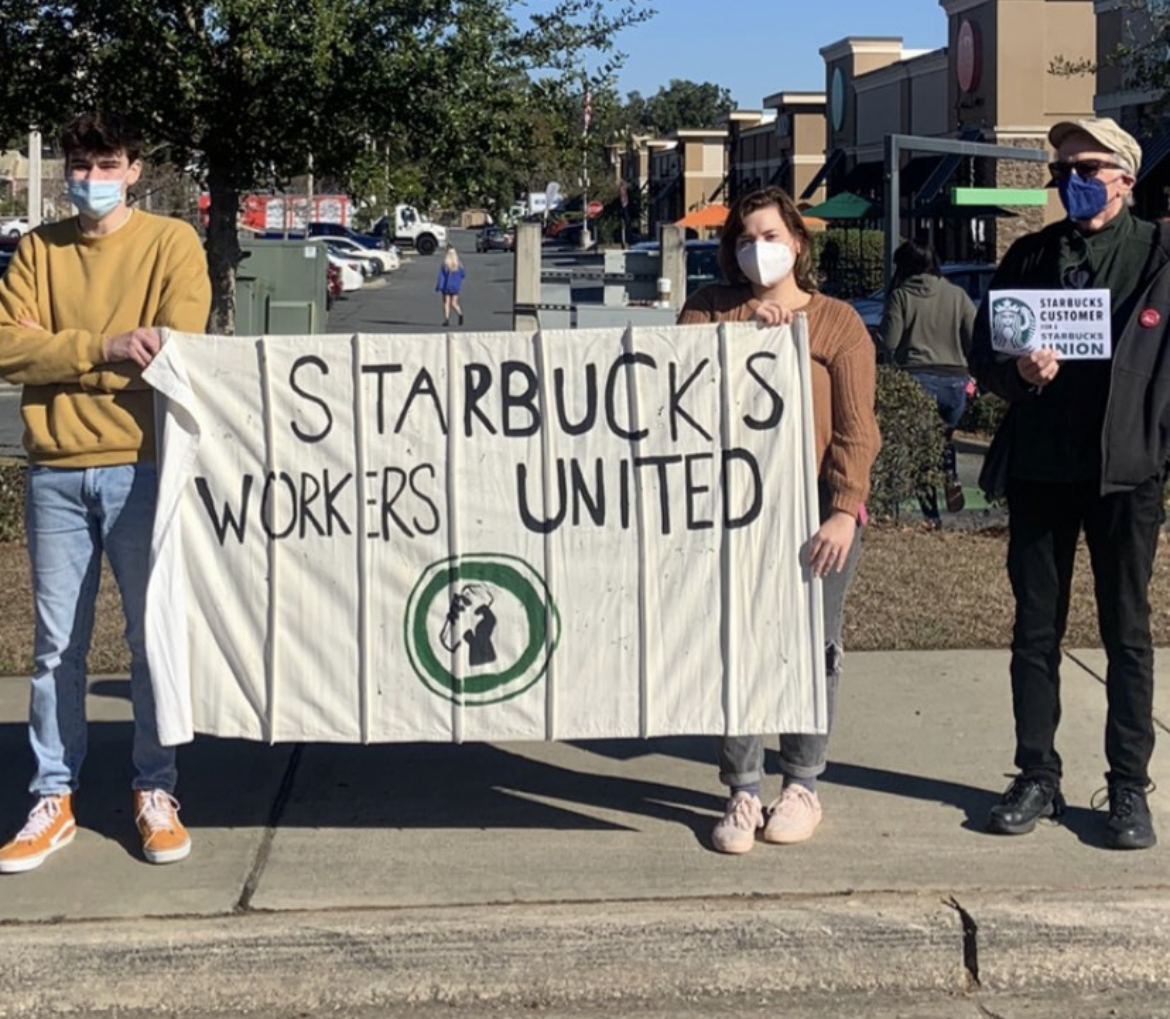
In the continued thread of Starbucks’ “dirty war” on the labor movement, the NLRB ruled yesterday that Starbucks had violated federal law when it fired a union activist due to her participation in protected activity. In its decision, the Board upheld an ALJ’s October 22 ruling against Starbucks for firing Hannah Whitbeck, a Michigan worker who initiated a union organizing effort at her store by contacting Workers United and participating in a labor board proceeding. To date, regional NLRB officials have issued hundreds of complaints alleging Starbucks of unfair labor practices.
The U.S. Equal Employment Opportunity Commission (EEOC) officially has a Democratic majority as of yesterday as Kalpana Kotagal was sworn in as commissioner. Kotagal, formerly an employment and civil rights attorney at Cohen Milstein Sellers & Toll in Washington D.C., was narrowly confirmed last month in a 49-47 Senate vote. Her addition to the Commission promises to break a partisan deadlock and allow Democrats to ramp up agency action.
Also on Wednesday, the EEOC settled a first-of-its-kind AI discrimination lawsuit against a tutoring company that allegedly programmed its recruitment software to reject older applicants. The joint notice of settlement, filed in the Eastern District of New York, stipulates that the company will pay $365,000 to the 200+ applicants rejected due to their age in the specified timeframe and be enjoined from using age or sex as a disqualifier. This is the first AI discrimination lawsuit the EEOC has ever brought.
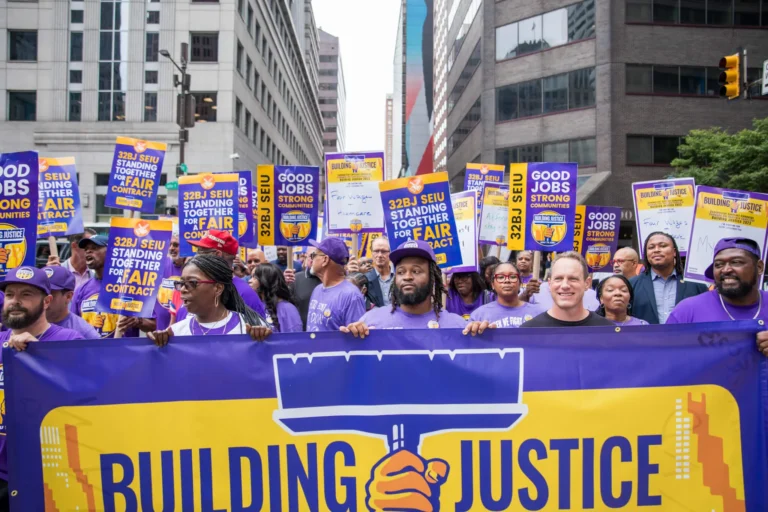
Finally, in case you missed it on Tuesday, Vice President Kamala Harris announced a new rule to raise wage standards for unionized construction workers performing federally funded jobs. Under the new rule, employers are required to pay construction workers the equivalent of wages made by at least 30% of workers in a given trade and locality. This rule aims to restore an old definition of “prevailing wage” that was abolished by the Reagan administration.



Daily News & Commentary
Start your day with our roundup of the latest labor developments. See all
September 16
Trump nominates Catherine Eschbach as EEOC general counsel; NLRB declines to resolve union work-assignment dispute; Allina Health physicians begin four-day strike.
September 15
Documents reveal the inner workings of Amazon's union avoidance program; Washington state public sector unions reach tentative deals amid a difficult bargaining cycle; hundreds of Nevada Culinary Union members protest their union's health care changes.
September 14
NCAA and Big Ten file motion to dismiss in former star player's NIL suit; Seventh Circuit rules against former postal worker in discrimination suit.
September 13
Documents released on the 25th anniversary of the 9/11 attacks show that city officials encouraged workers to return to Ground Zero despite knowing the risks of asbestos exposure, and new polls demonstrate continued widespread support for labor unions.
September 10
Amazon workers allege pregnancy discrimination; federal unions challenge USDA reorganization; NYC warns of silicosis risks.
September 9
Wynn Las Vegas employees allege anti-union retaliation; Amazon faces a class action over pregnancy accommodations; H-1B demand plunges following a six-figure visa fee.